WOMAN POWER
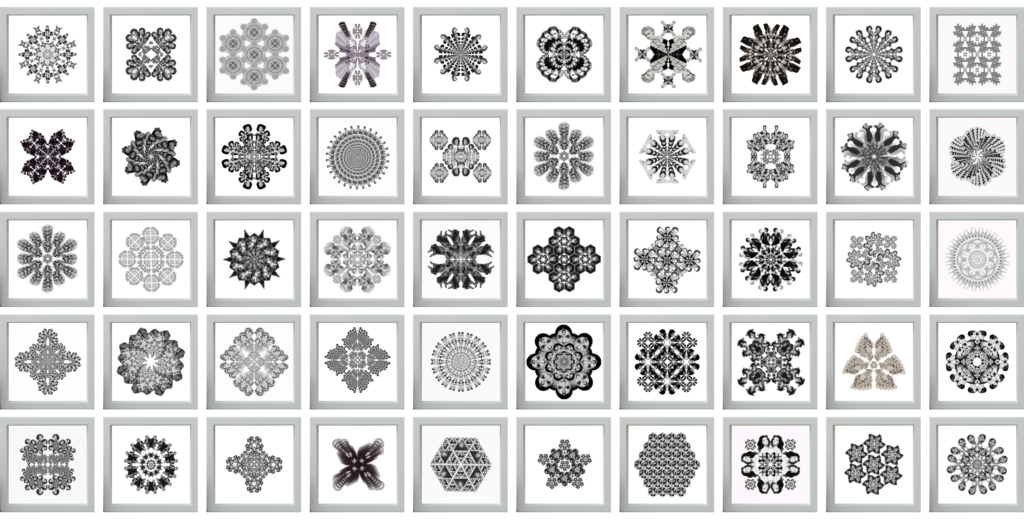
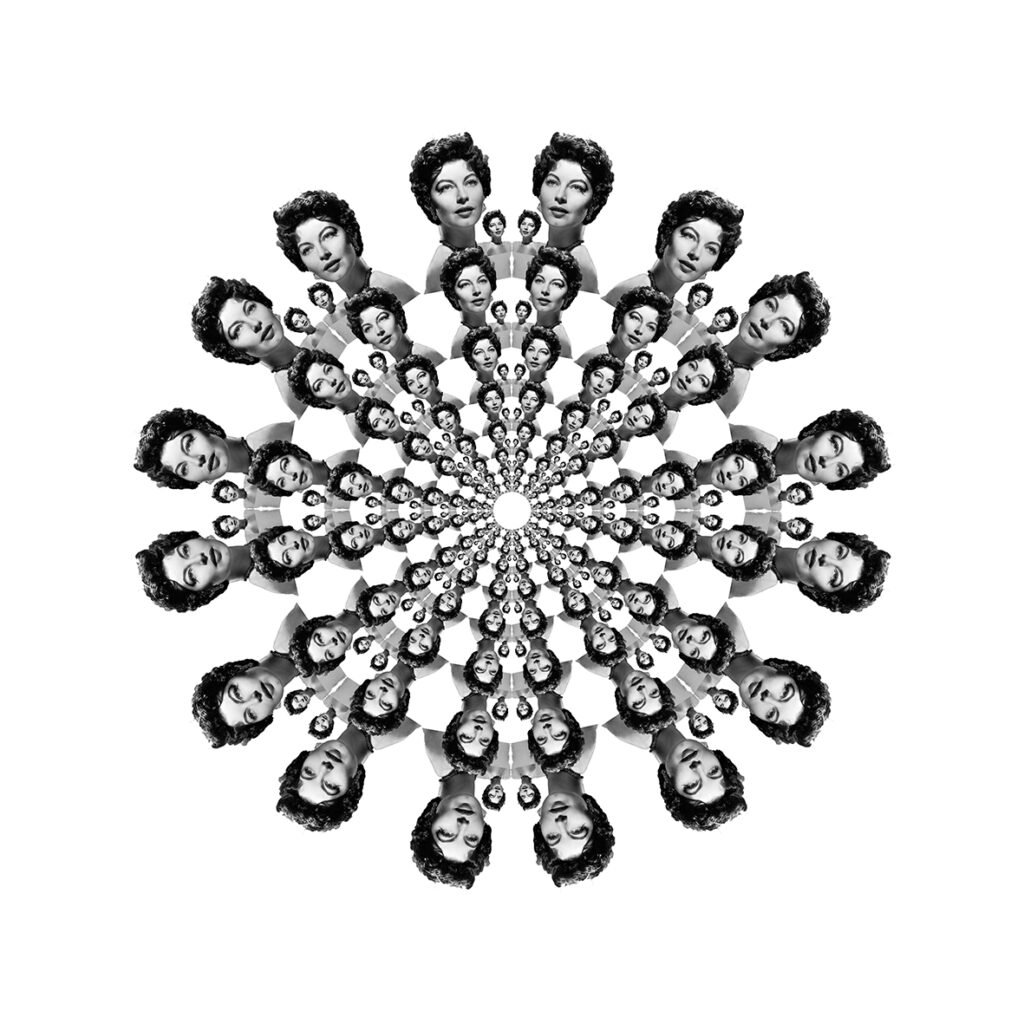
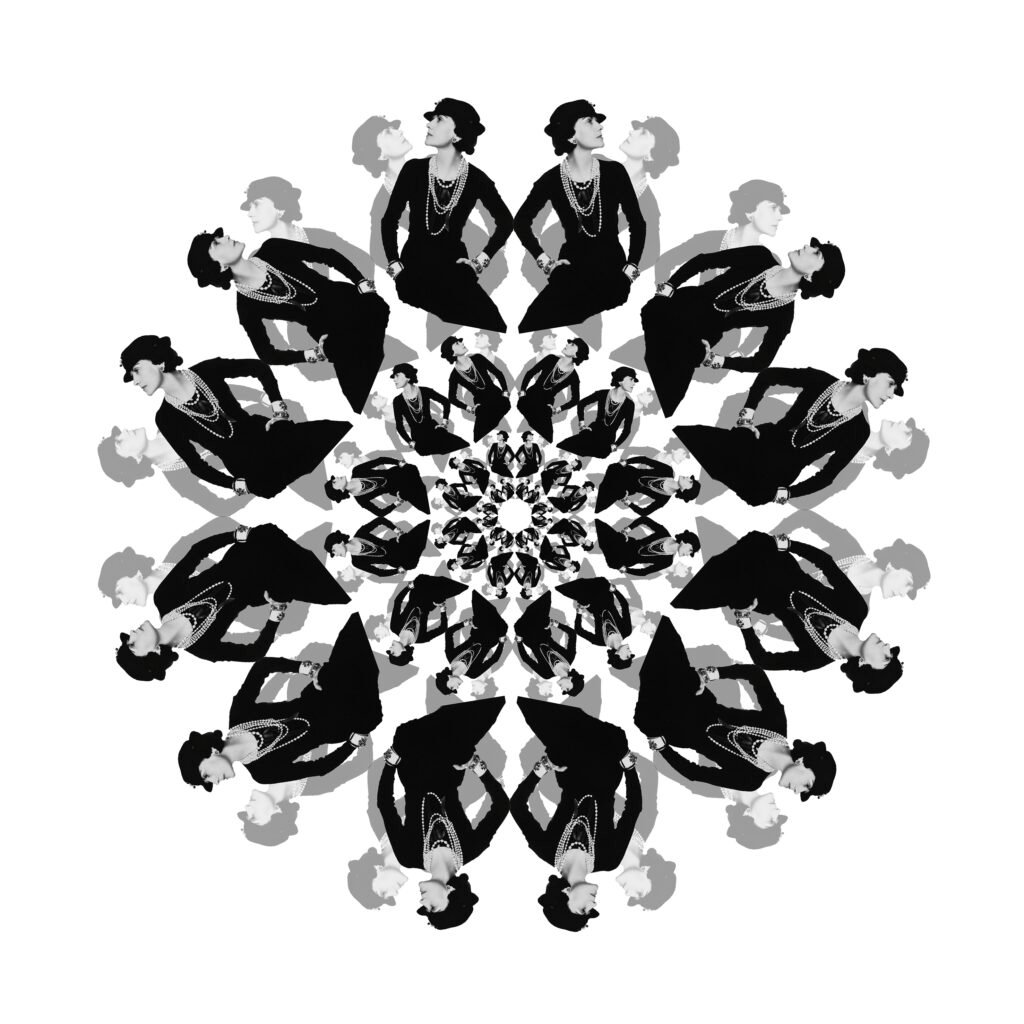
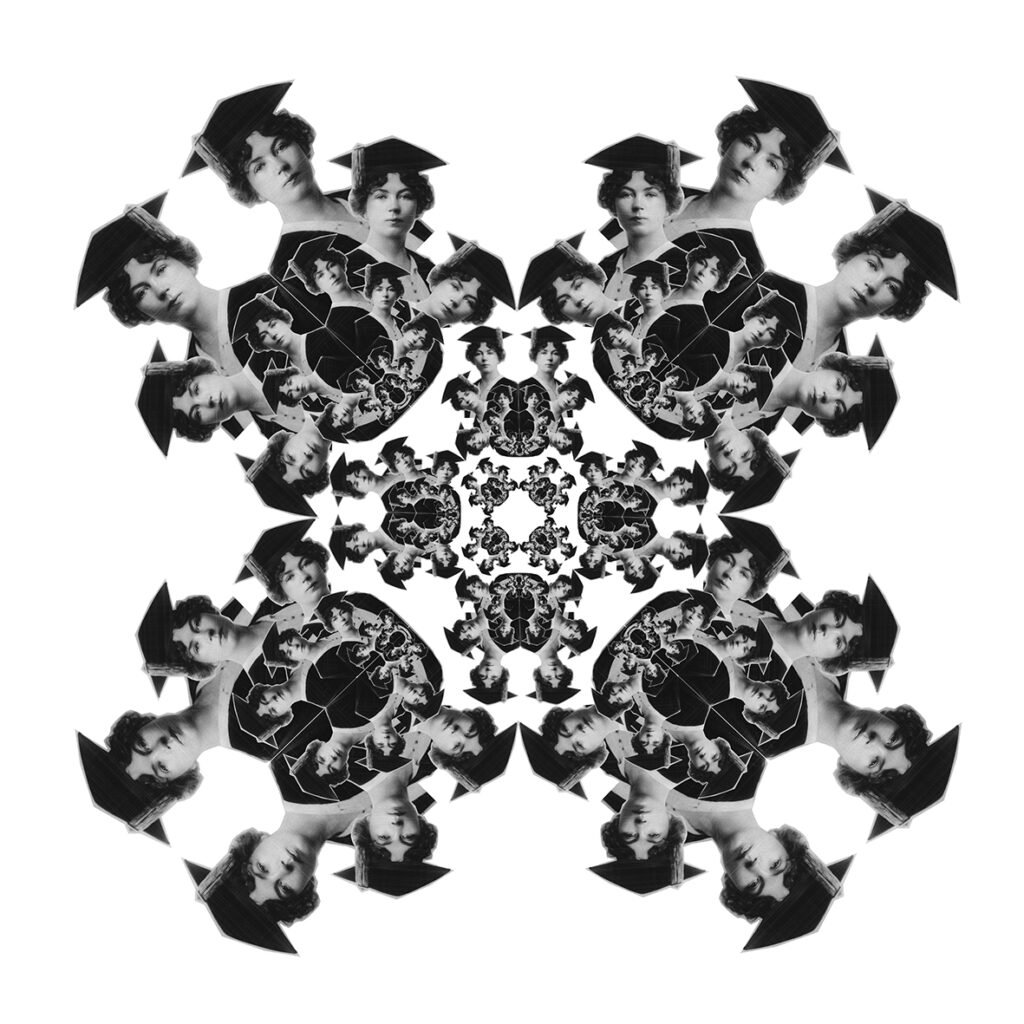
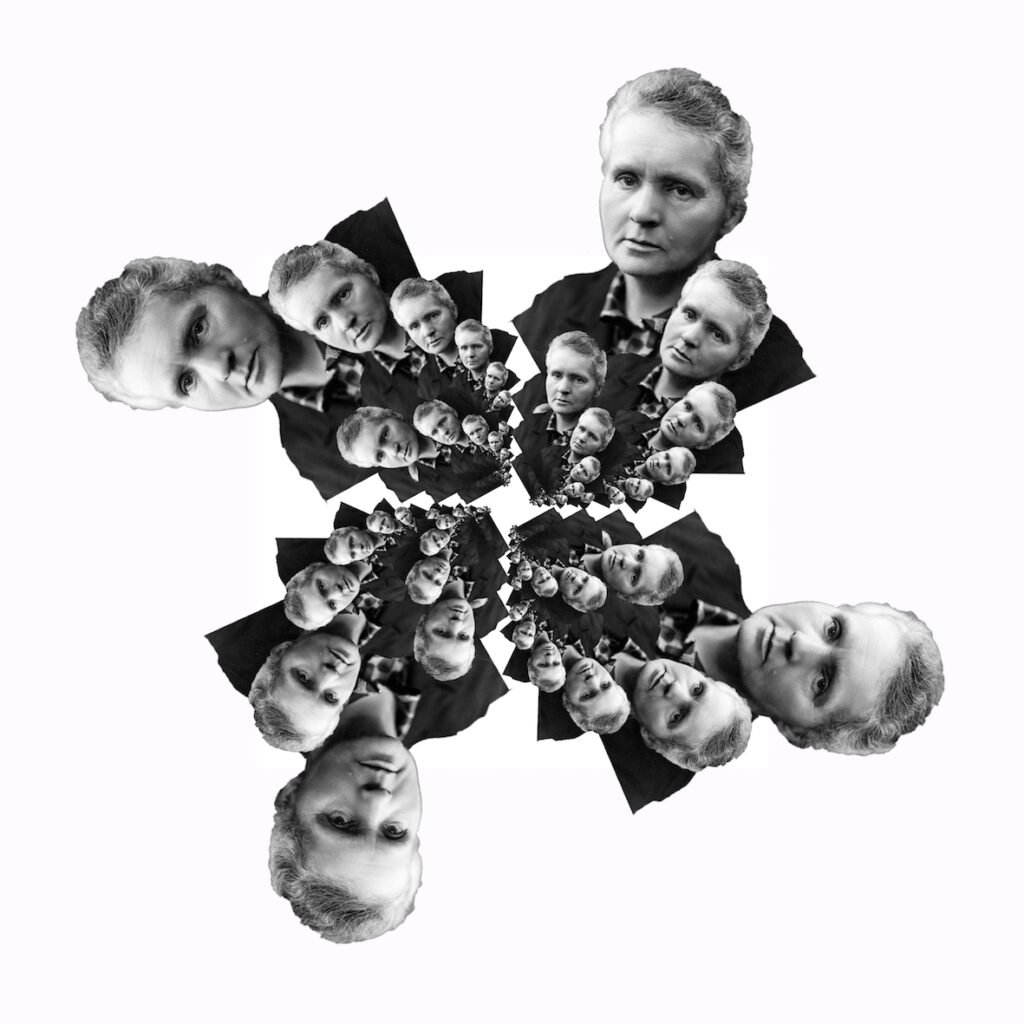
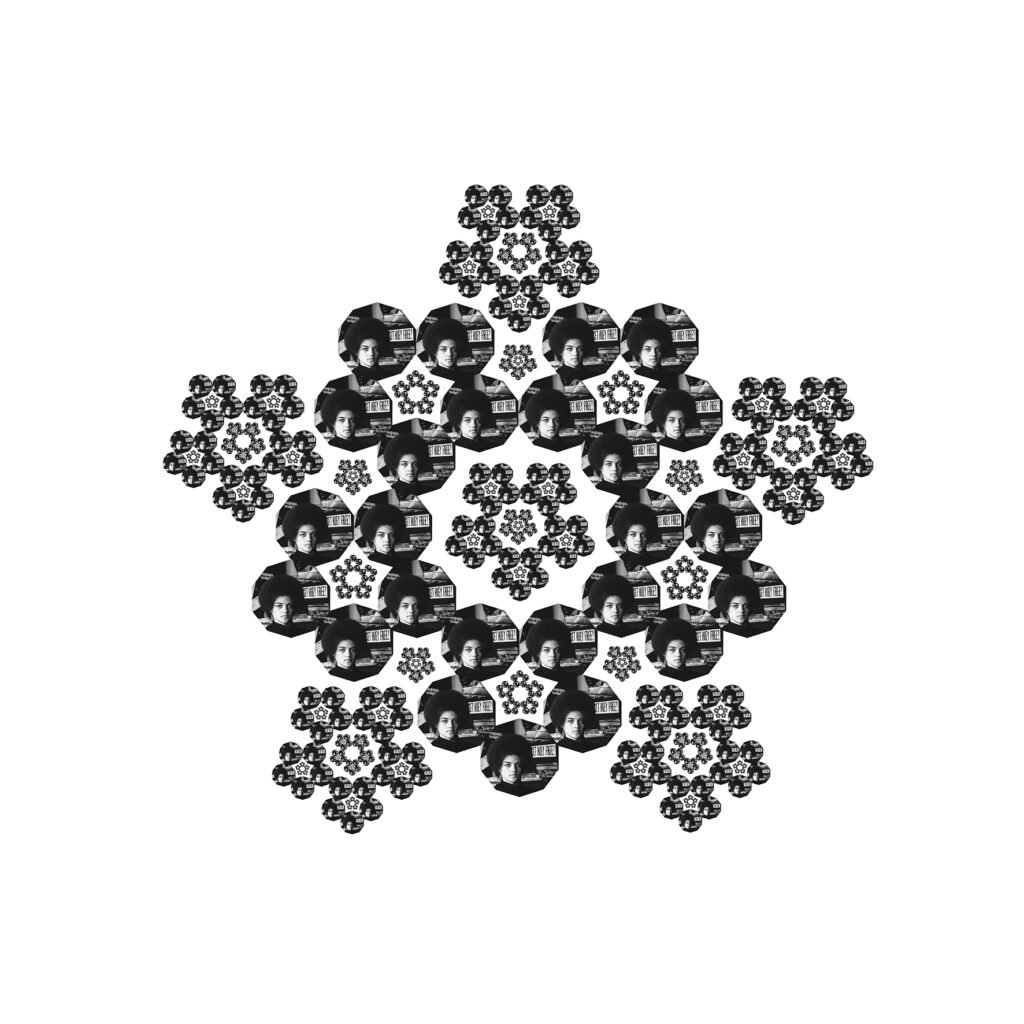
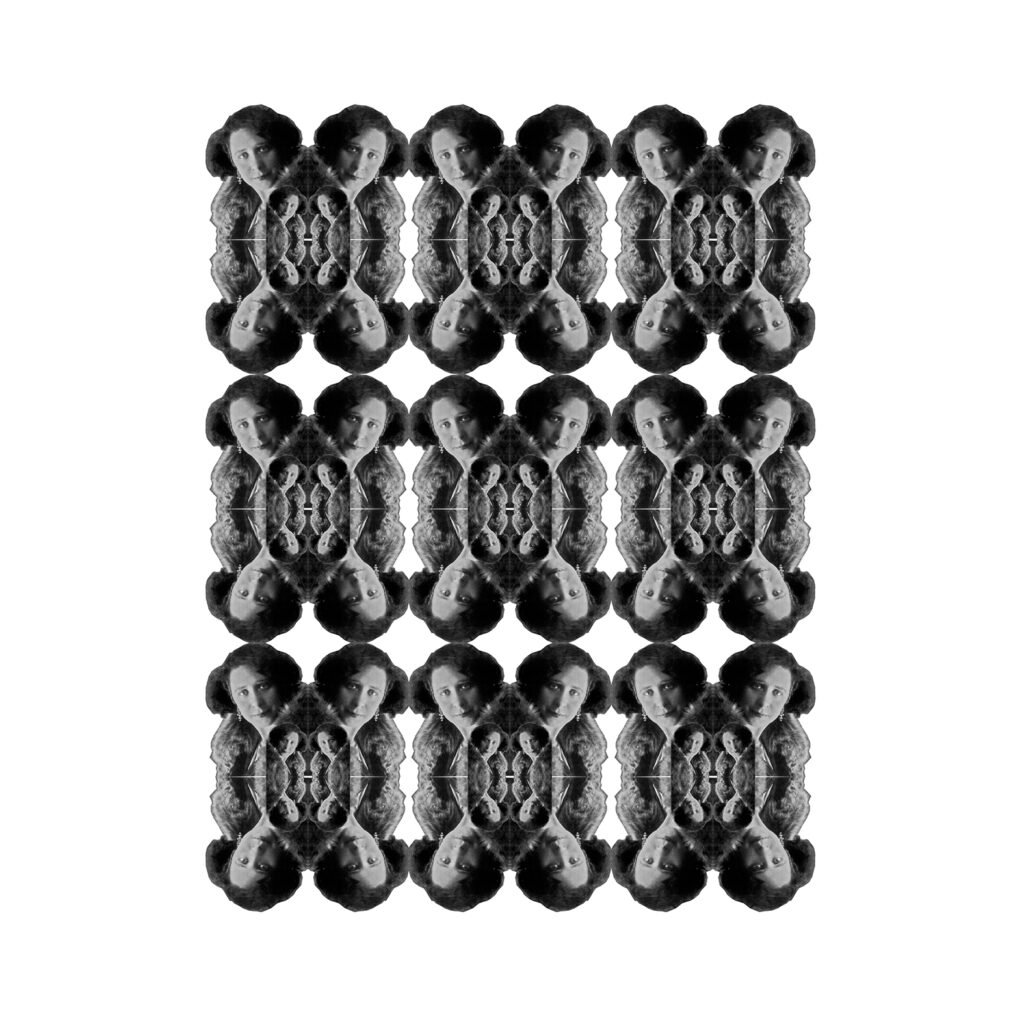
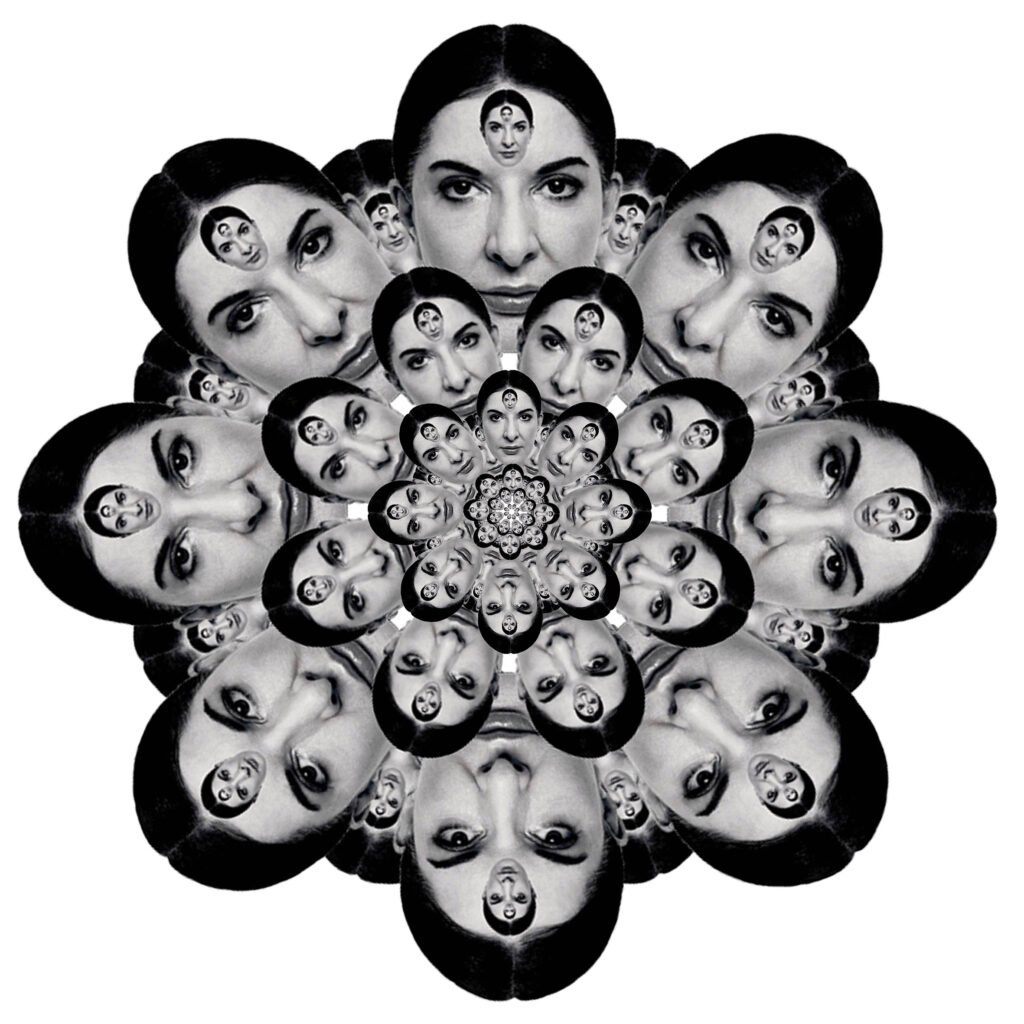
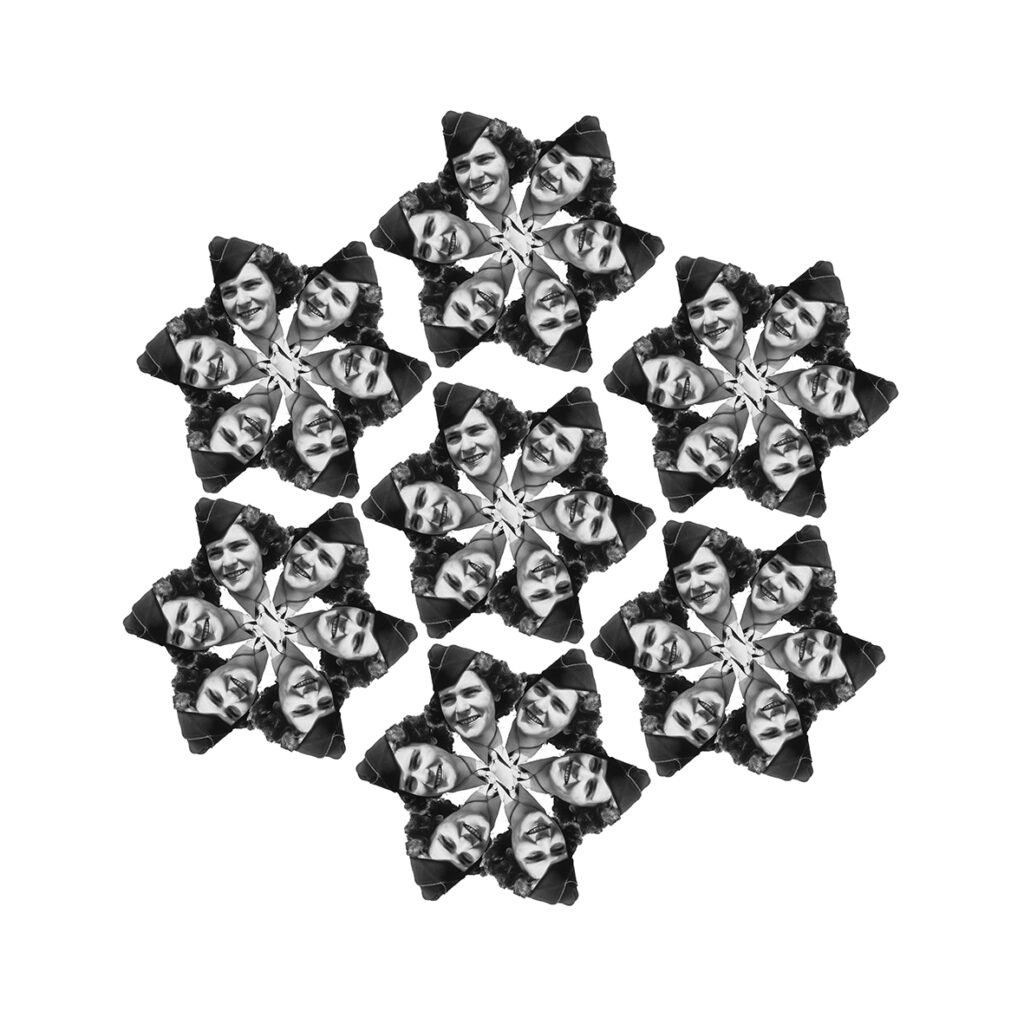
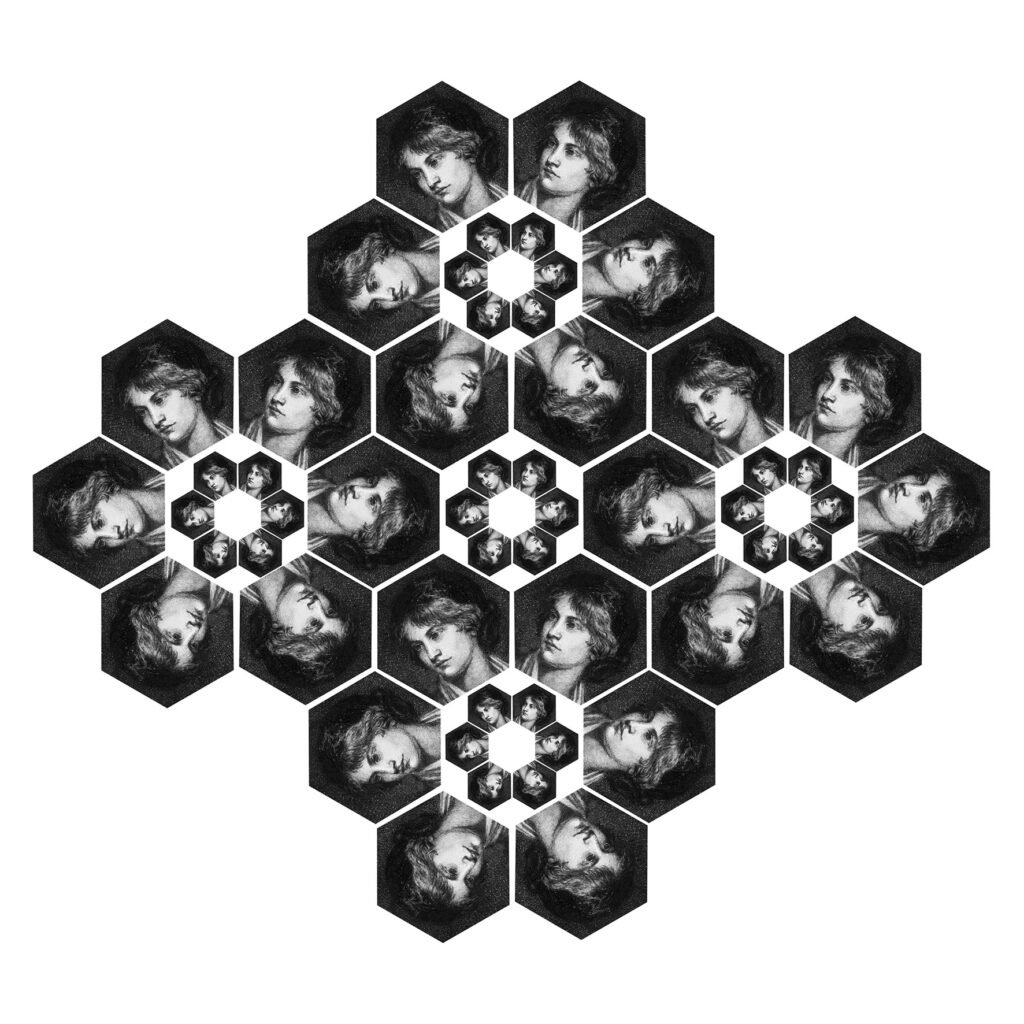
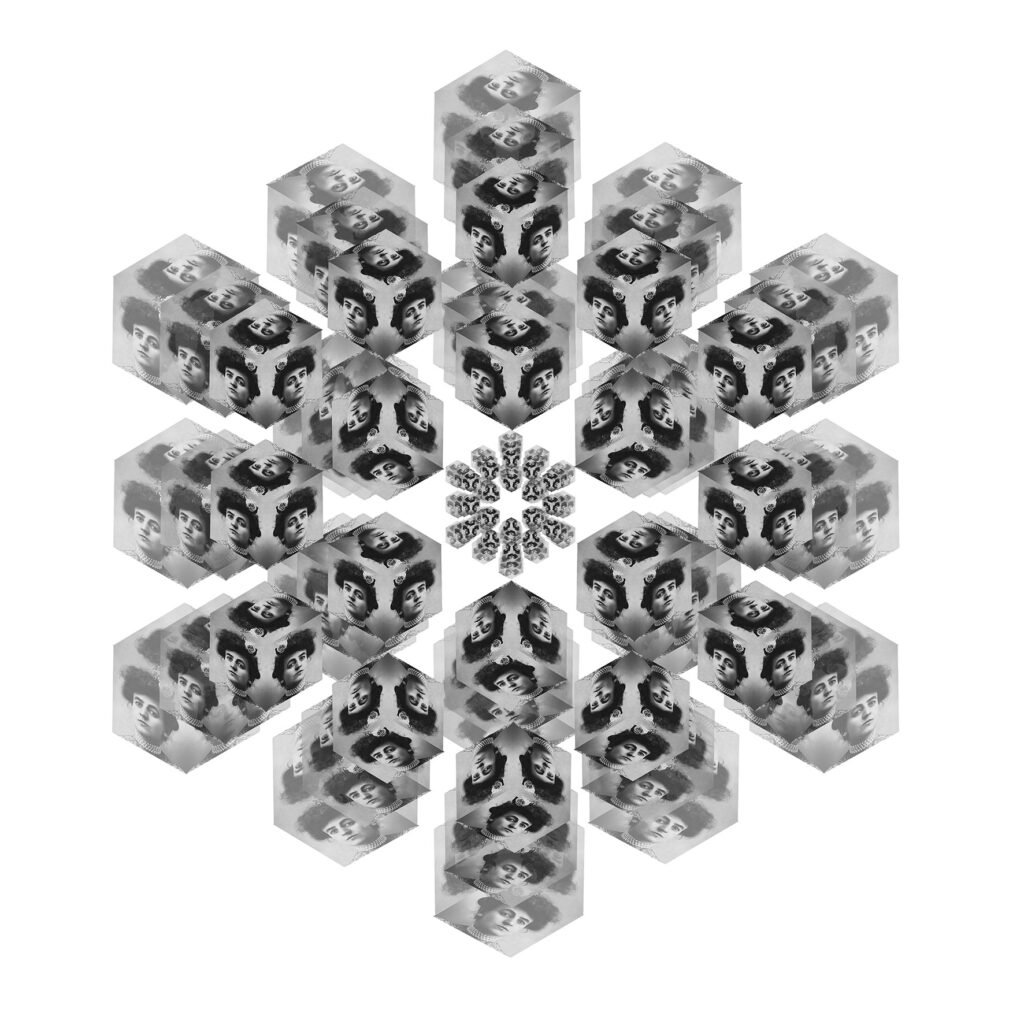
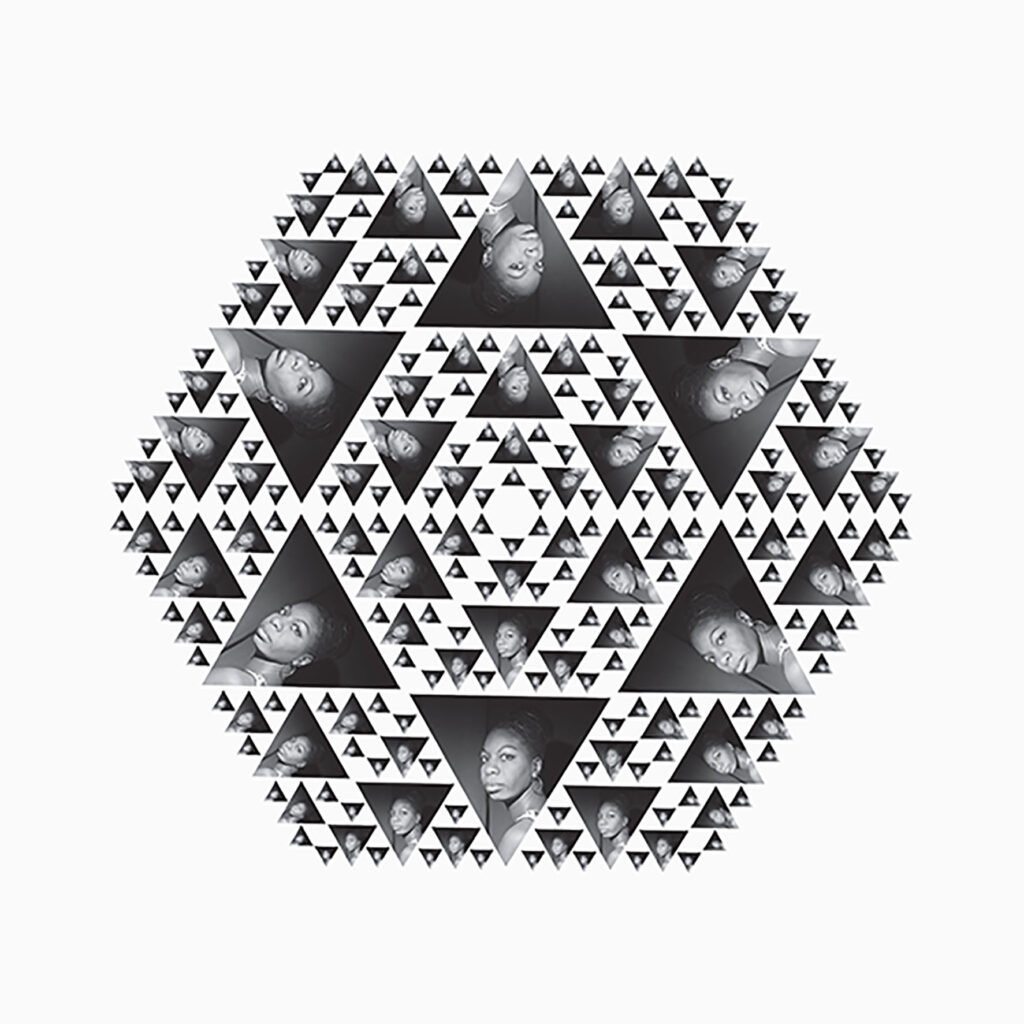
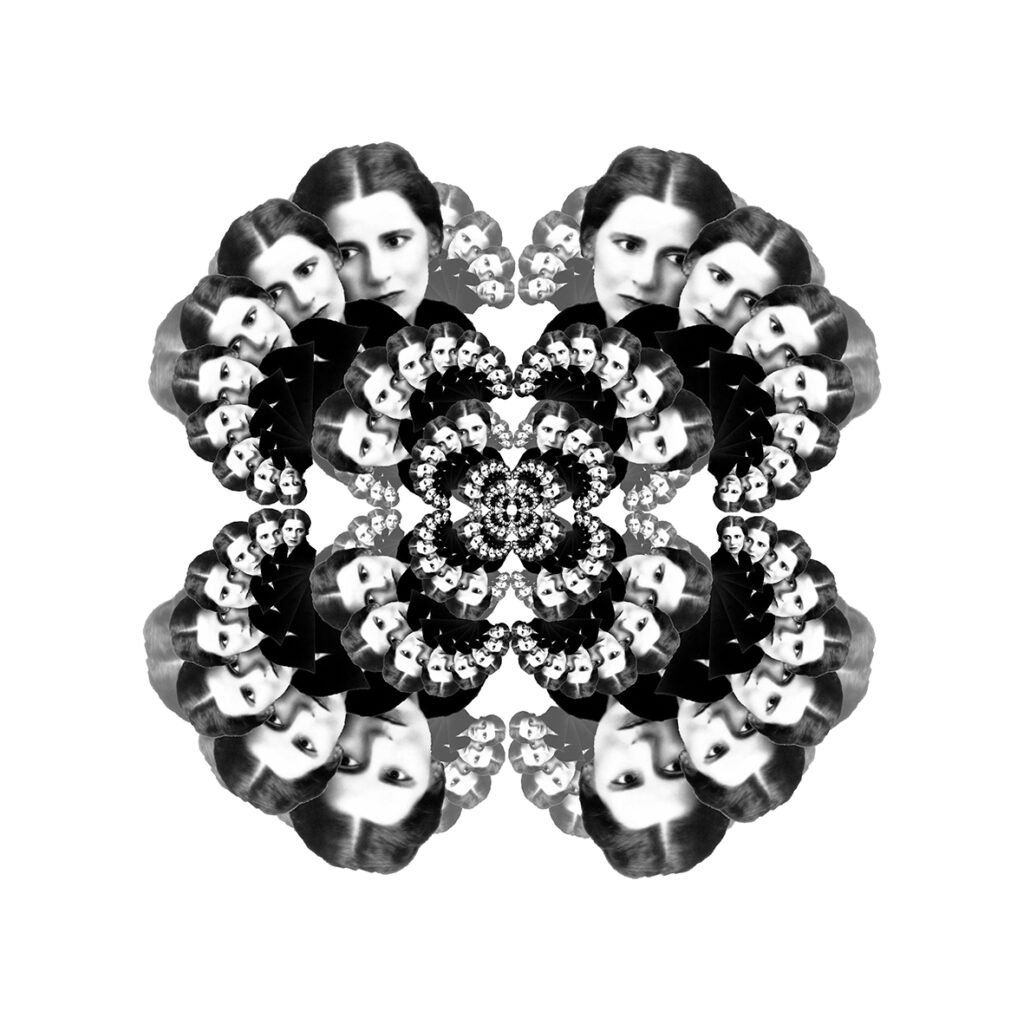
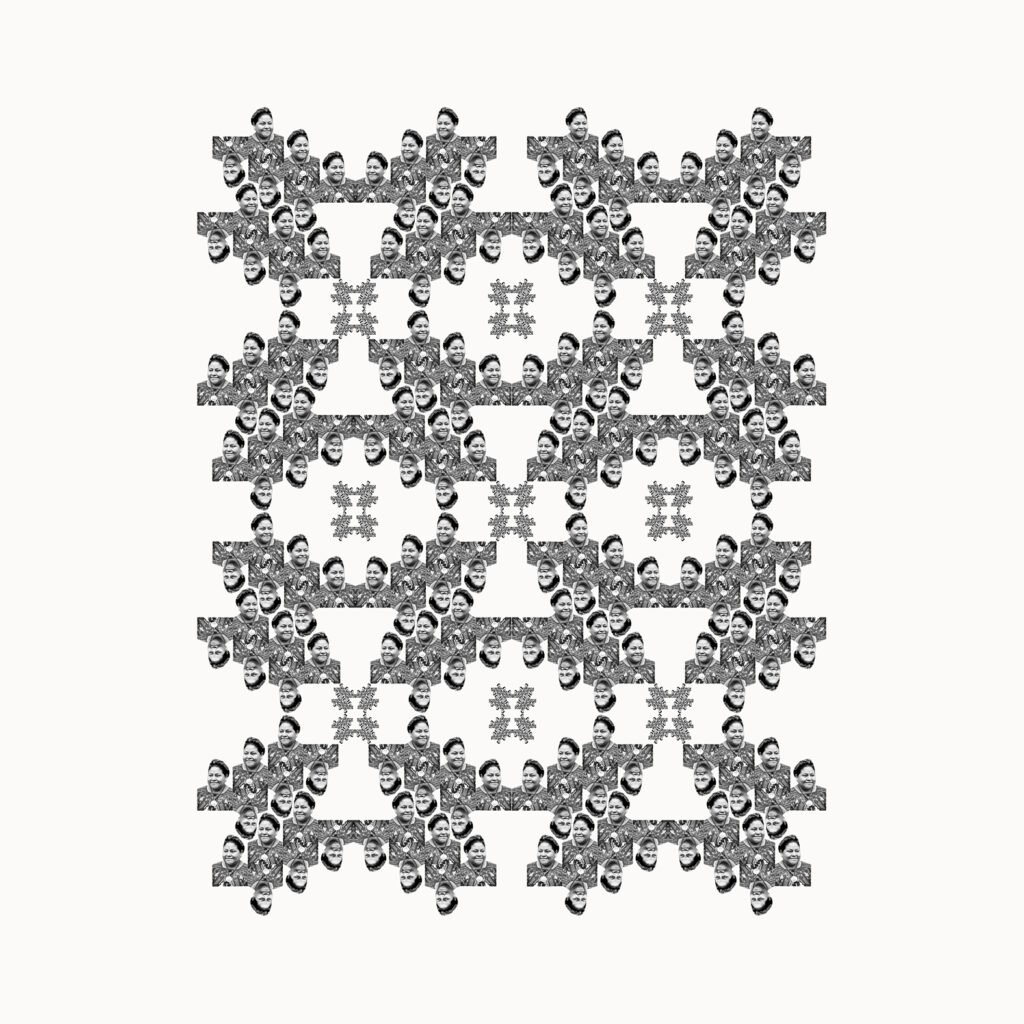
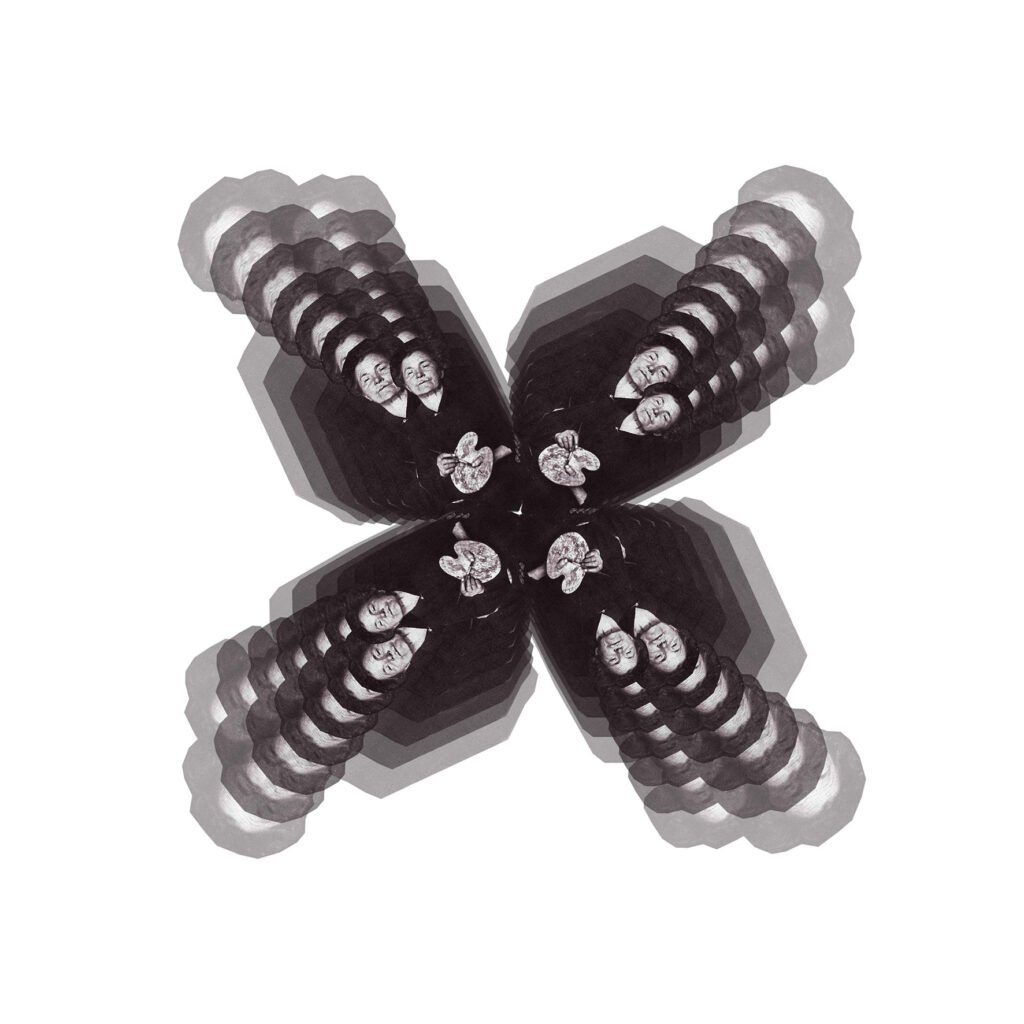
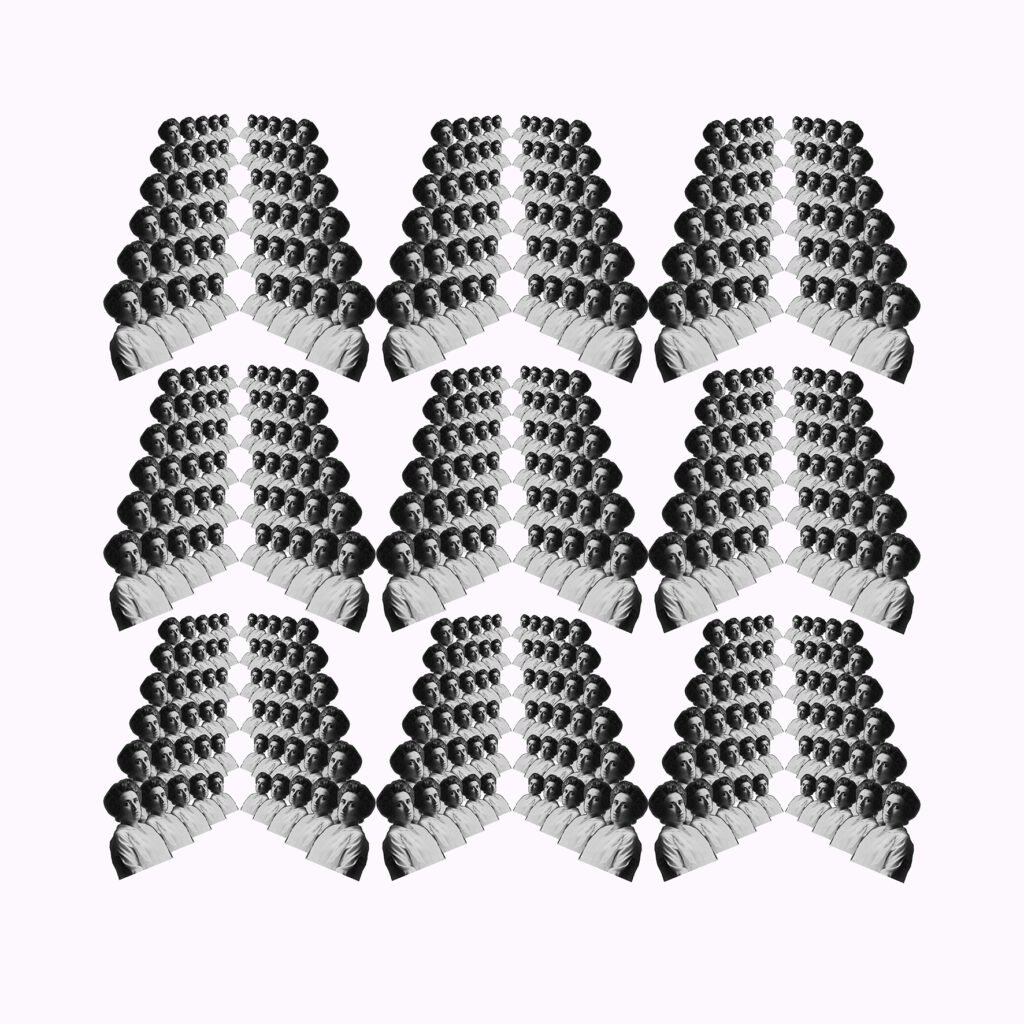
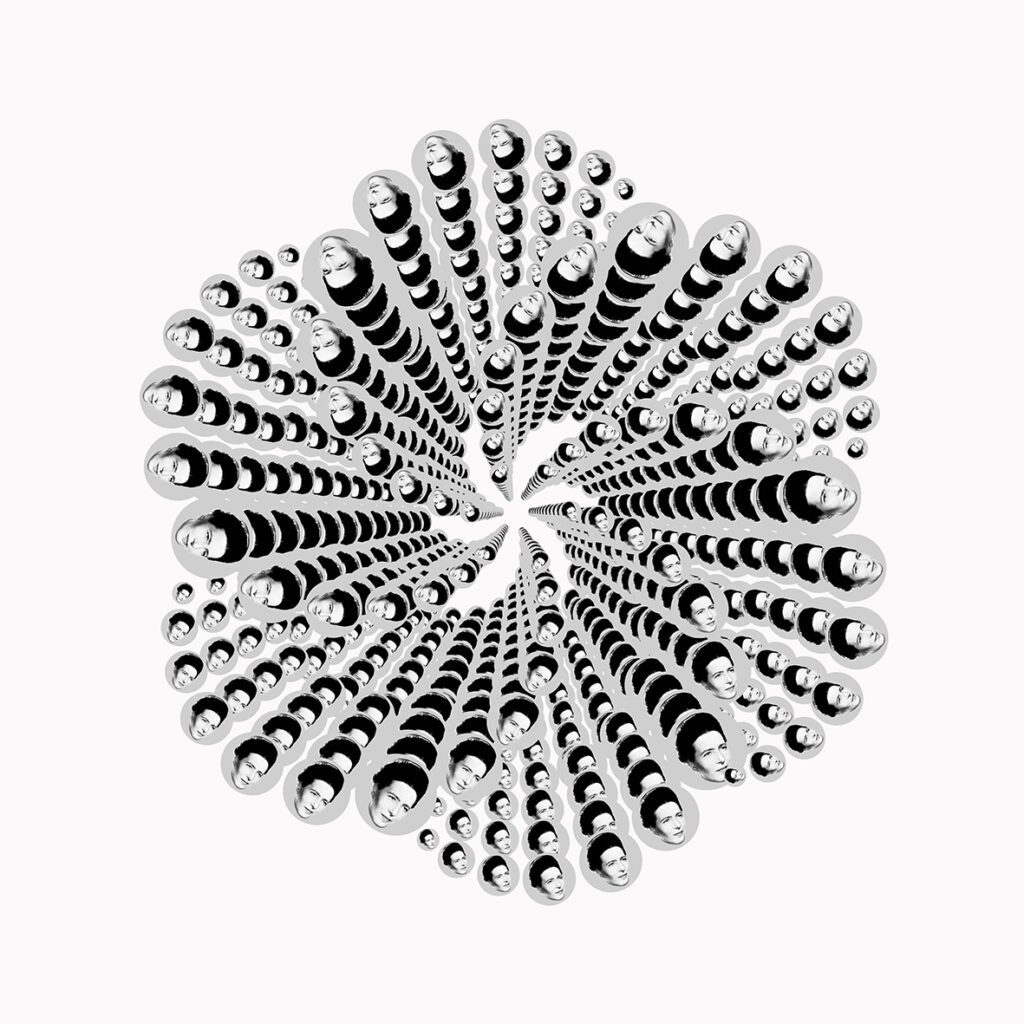
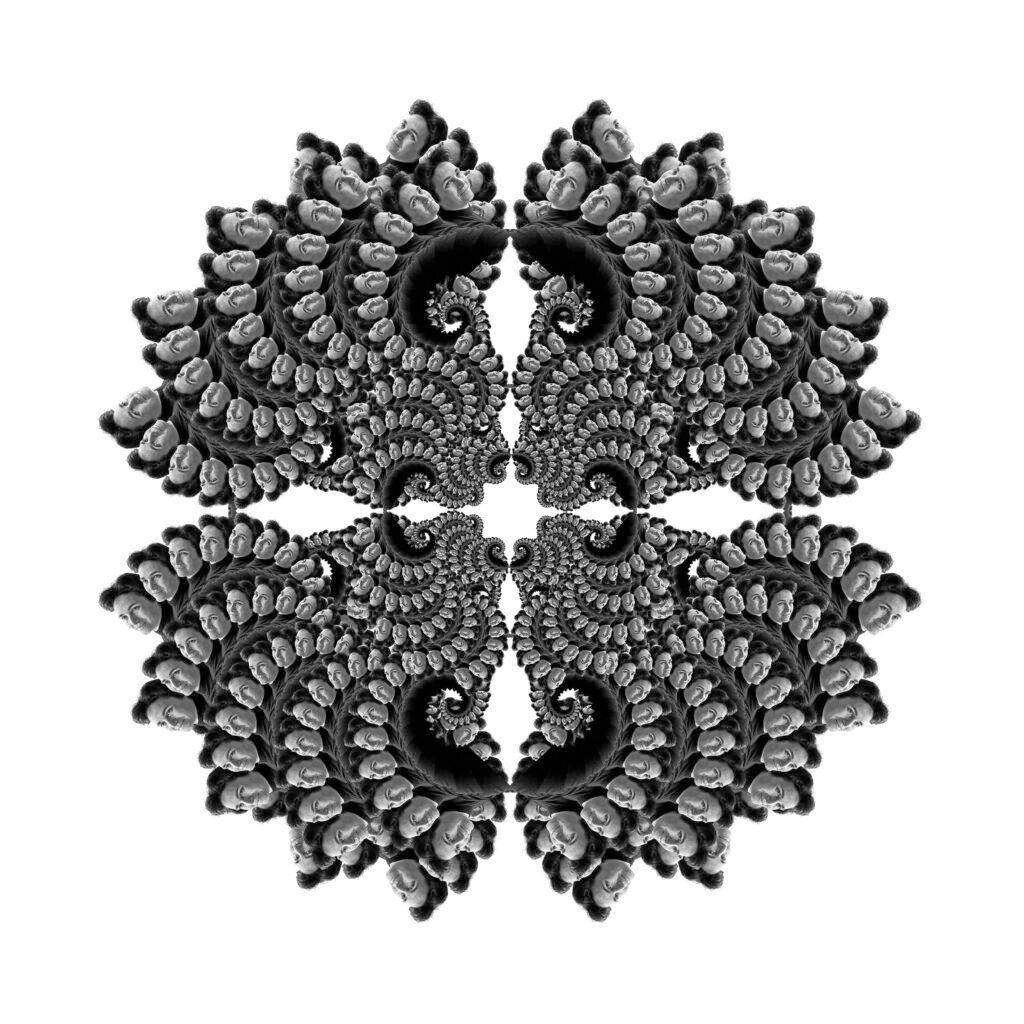
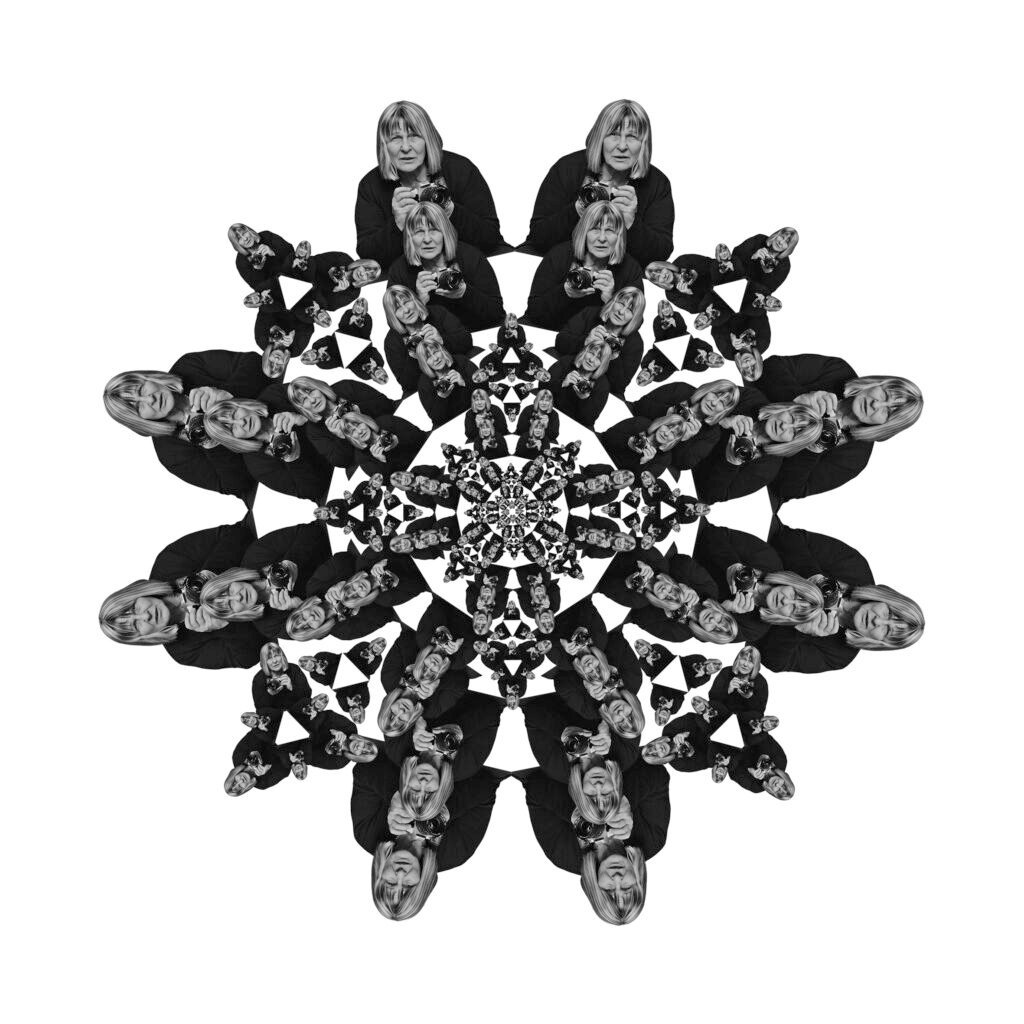
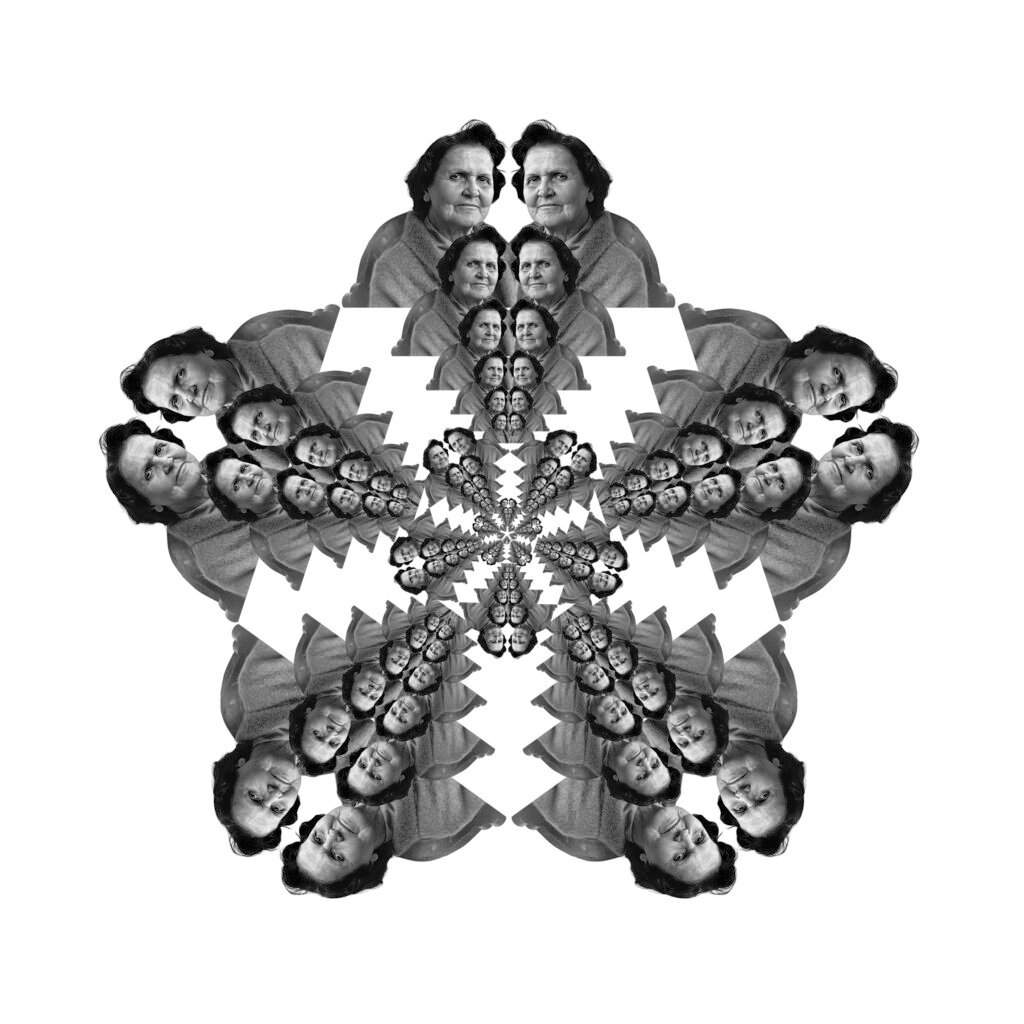
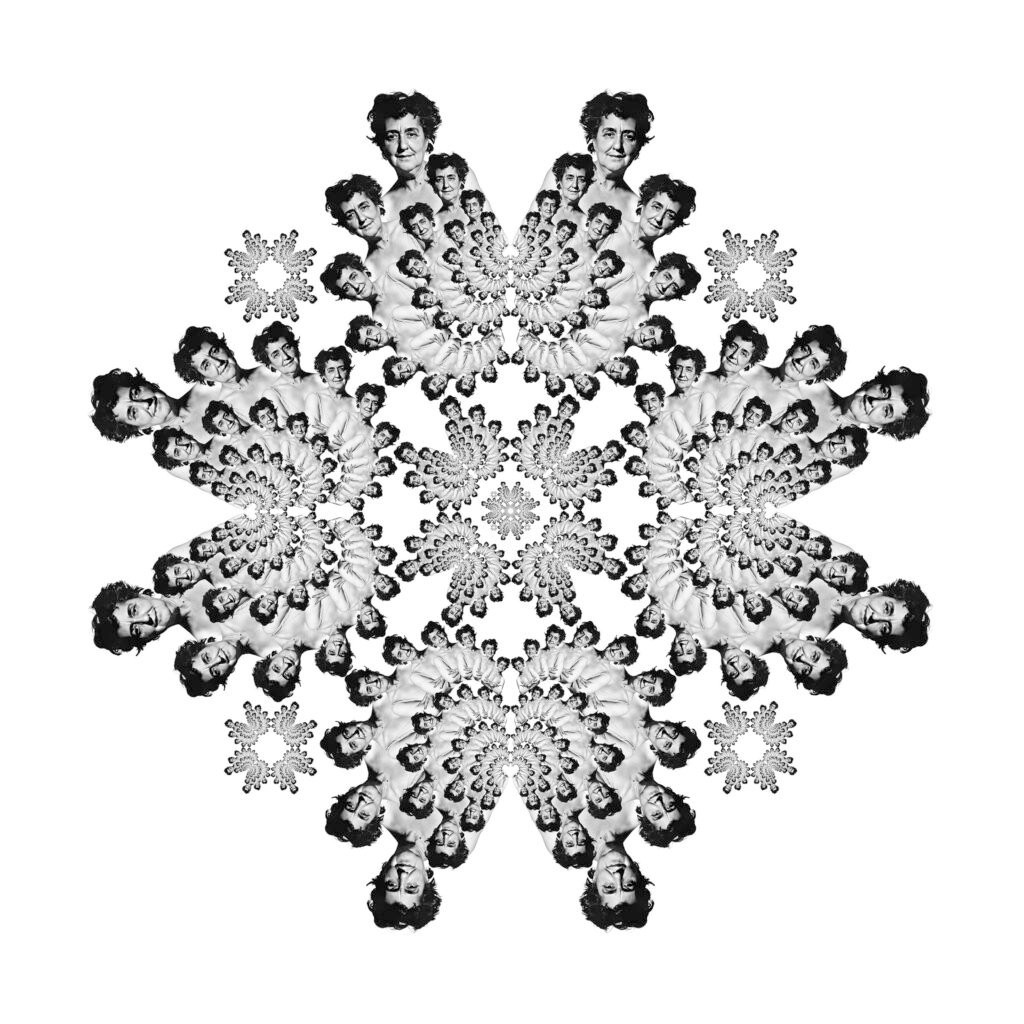
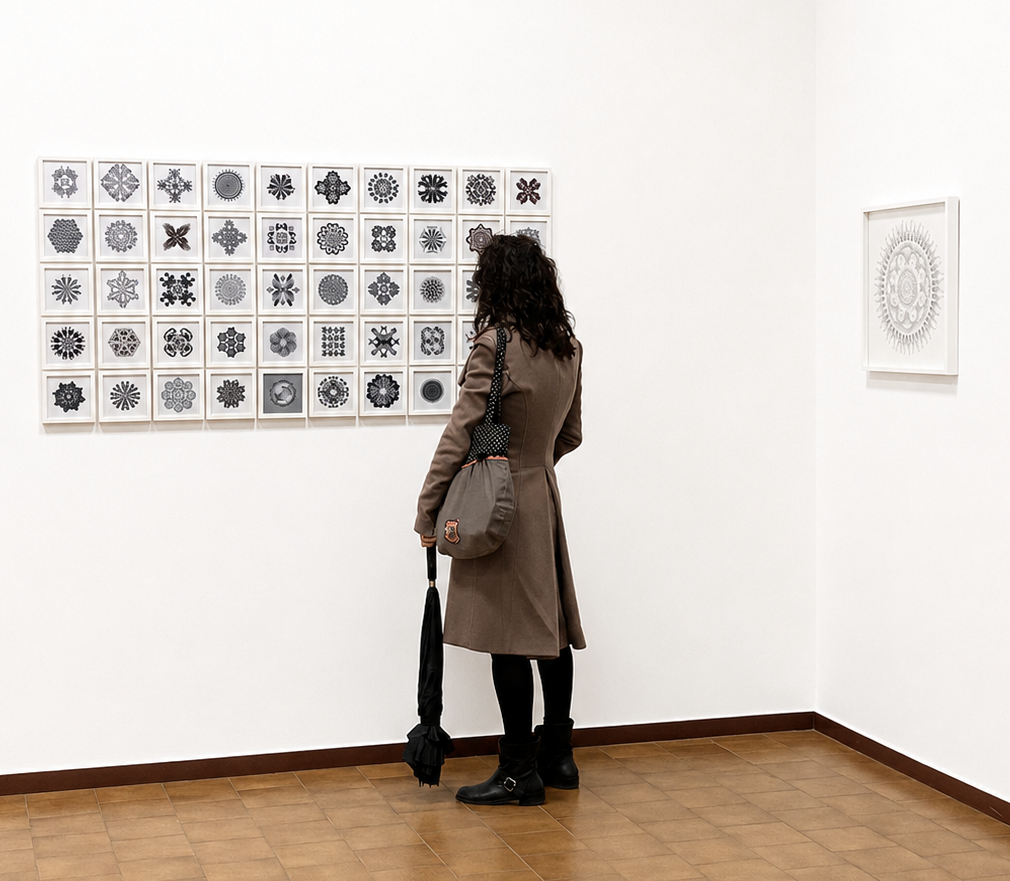
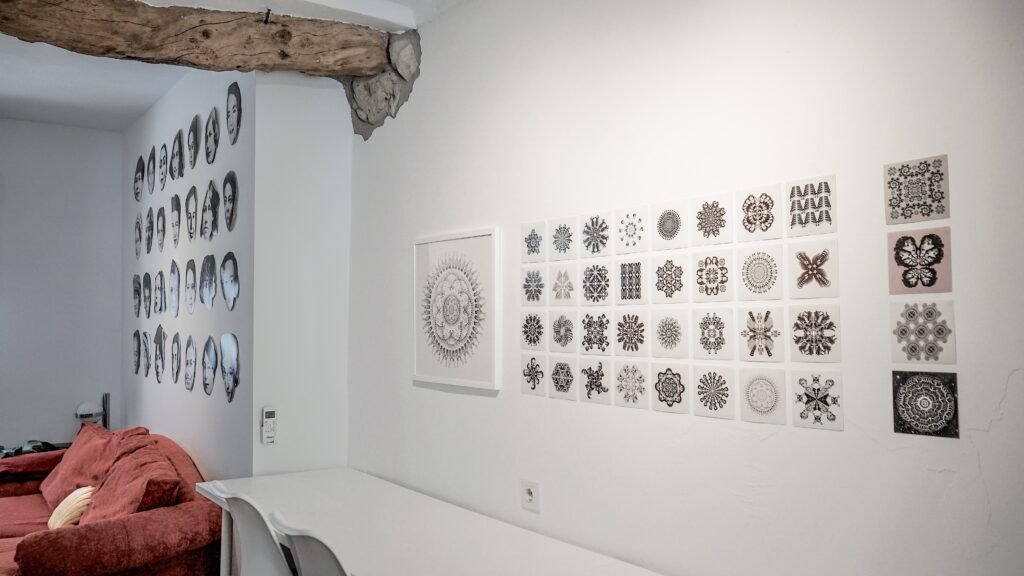
Woman Power was born from an immediate, visceral intuition: merging the concentric structure of mandalas with the faces and histories of women who changed the world. Initially guided by a purely creative impulse, I sought within their biographies a source of strength, determination, and resilience to answer my own vulnerabilities. It was only later that this practice led me toward a concrete exploration of mandalas and fractals, discovering that these geometries are harmonic configurations of the universe and symbols of tremendous power across numerous cultures. From Buddhist and Hindu traditions (where the mandala is a cosmic map of the self) to the healing rituals of the Navajo and Vedic geometry, these forms have always represented the connection between the microcosm and the macrocosm. By exploring their scientific counterpart—fractals—I found the mathematical confirmation of this natural order: identical structures repeating infinitely, governing matter, energy, and living systems.
The project is rooted in 2013, when I first approached the mandala as a therapeutic method. Understanding the convergence between ancestral spirituality and the physics of fractals transformed my artistic perspective. While mandalas are sacred representations of the universe, fractals prove that every single part contains the information of the whole. This geometric law applies equally to our emotional and psychological spheres: thoughts and emotions act as fractal matrices capable of shaping our reality. Through this awareness, the creative act became a true ritual of healing. By absorbing the memory and power of extraordinary female figures, I found the strength to overcome an abusive relationship. By altering my inner suffering through geometry, I realized that by healing myself, I could trigger a virtual, collective healing process for other women.
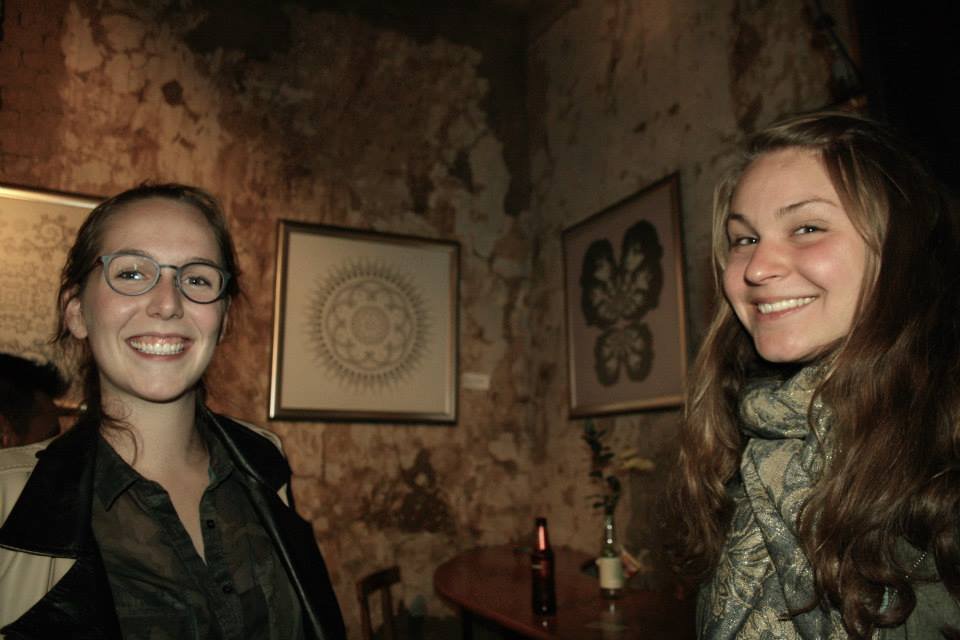
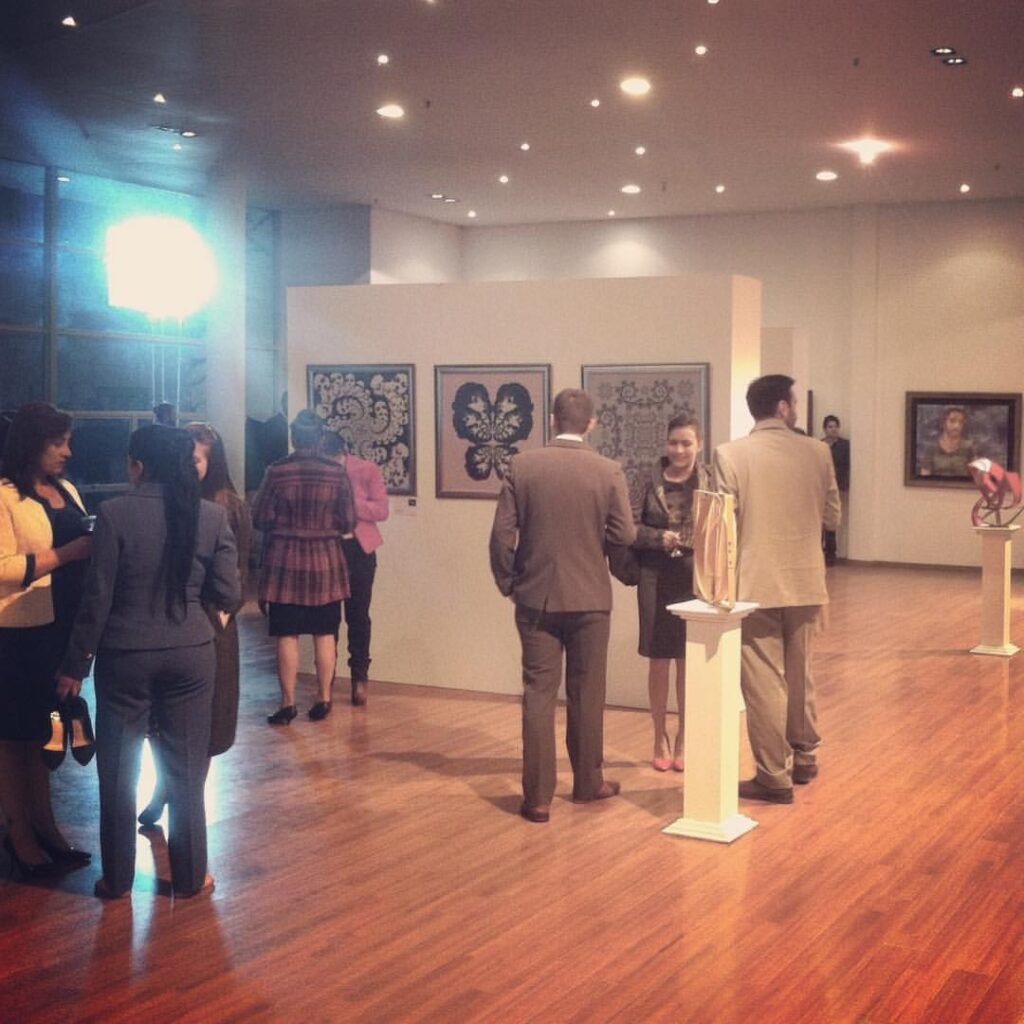
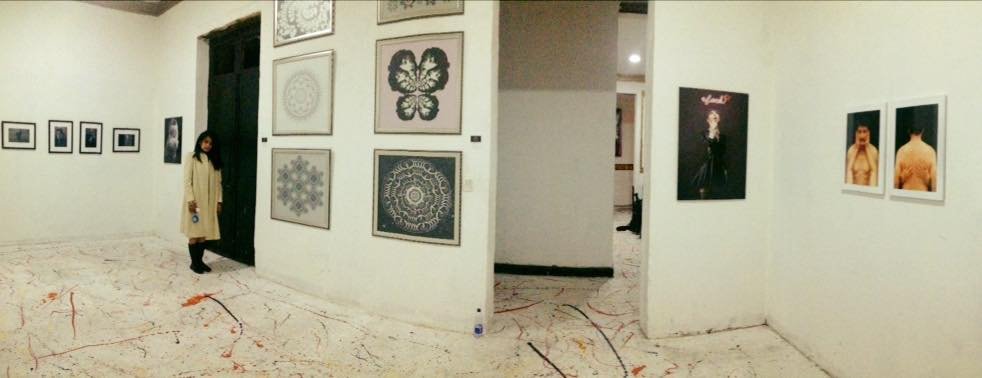
This series, which I formally launched in 2014, is an ongoing project; an open archive that keeps growing day by day. In these pieces, I like to play with the viewer’s gaze: at first, the images of the women remain camouflaged within the density of the patterns and the intertwining geometries. This is not an aesthetic coincidence, but a way to address the historical condition of women, who have so often been rendered invisible, marginalized, or reduced to a mere decorative object. Yet, this visual aspect goes far beyond the ornamental; the complexity of the weave reveals a layered conceptual depth where the mandala acts as a decorative element that evokes, summons their memory, and celebrates their emancipation. With the ultimate goal of chronicling the stories of one thousand women across the world, Woman Power is my visual manifesto and my stance against gender-based violence, proving how the creative power, determination, and resilience of those who came before us can weave profound connections between the individual and the collective, transforming the future for generations to come.
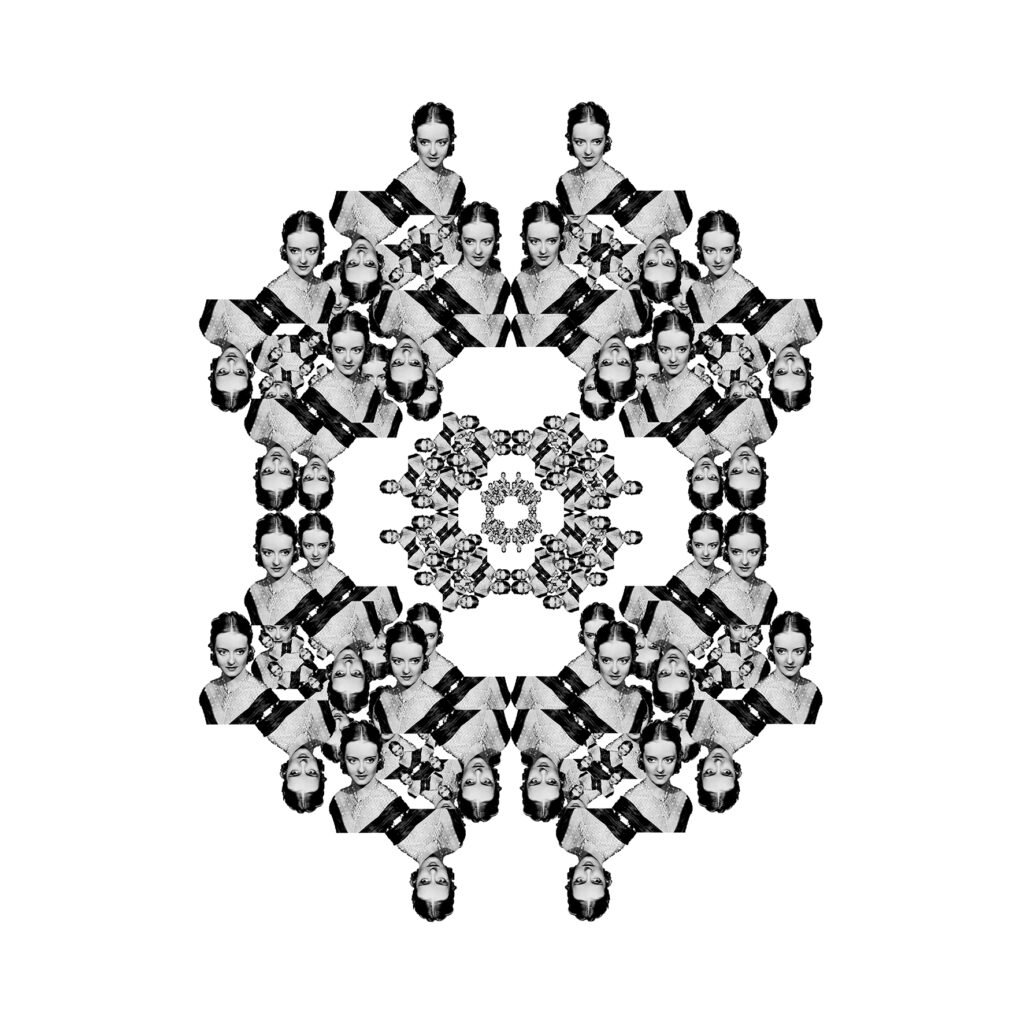
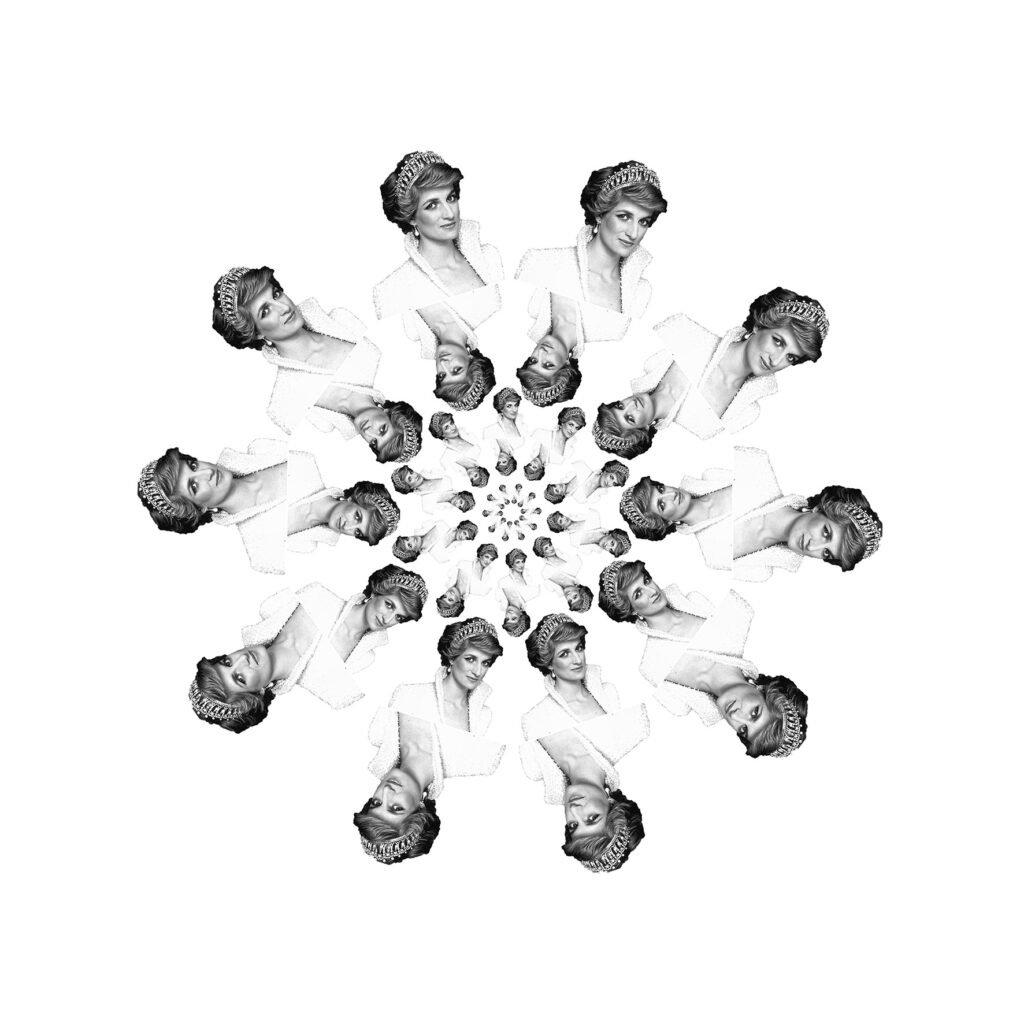
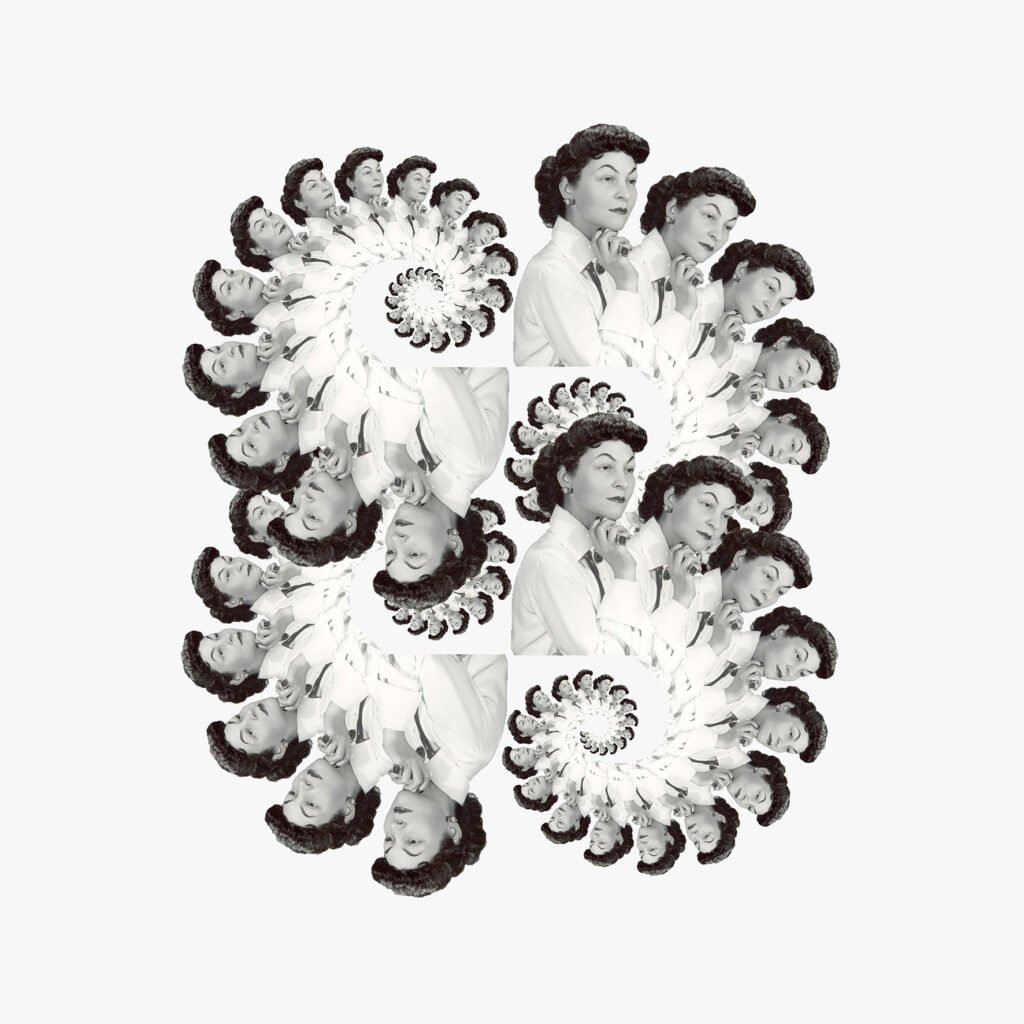
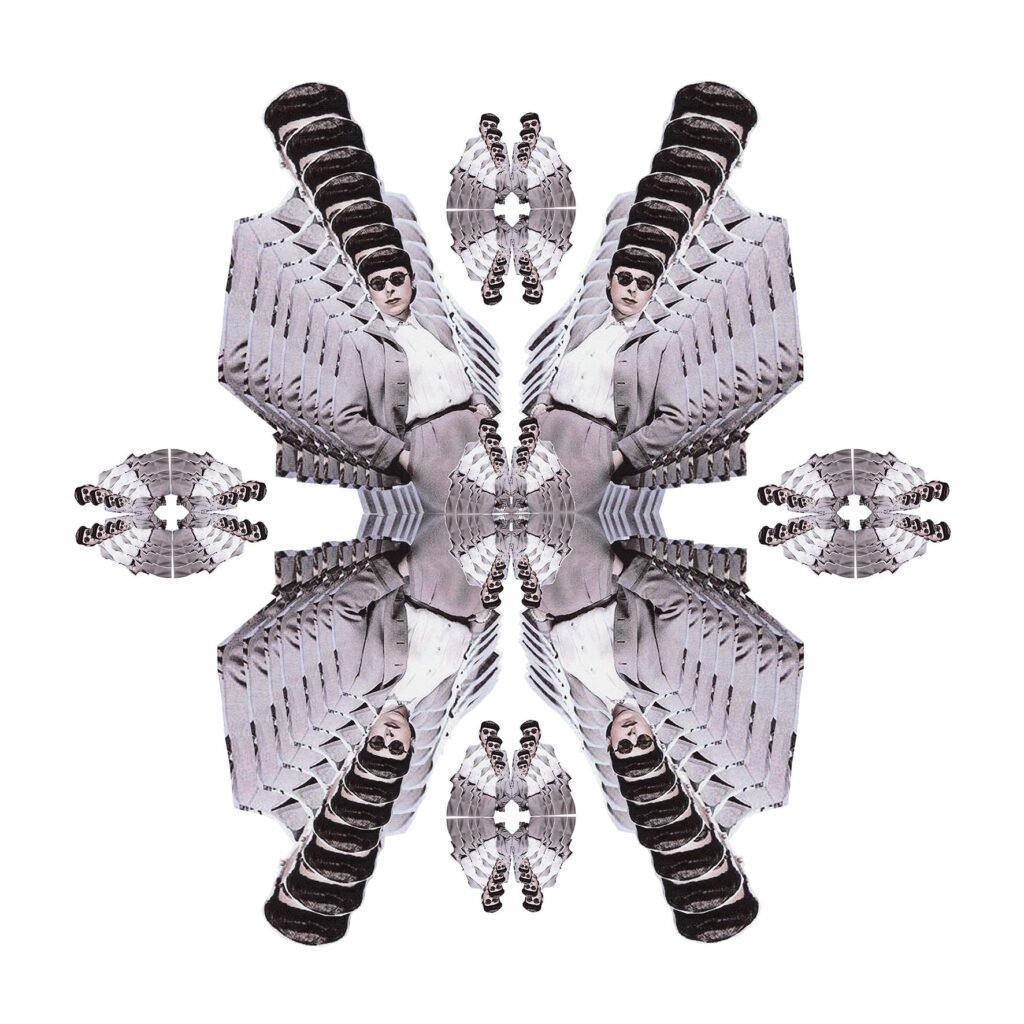
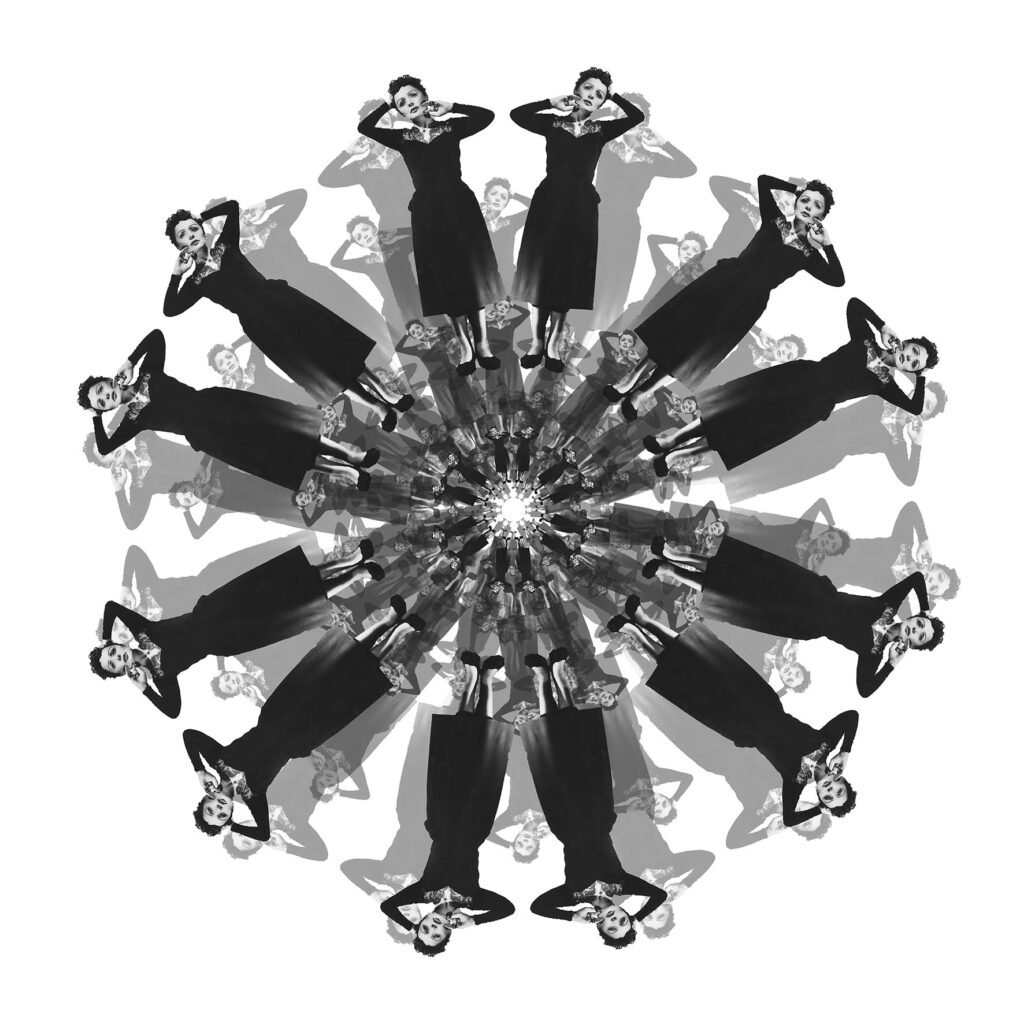
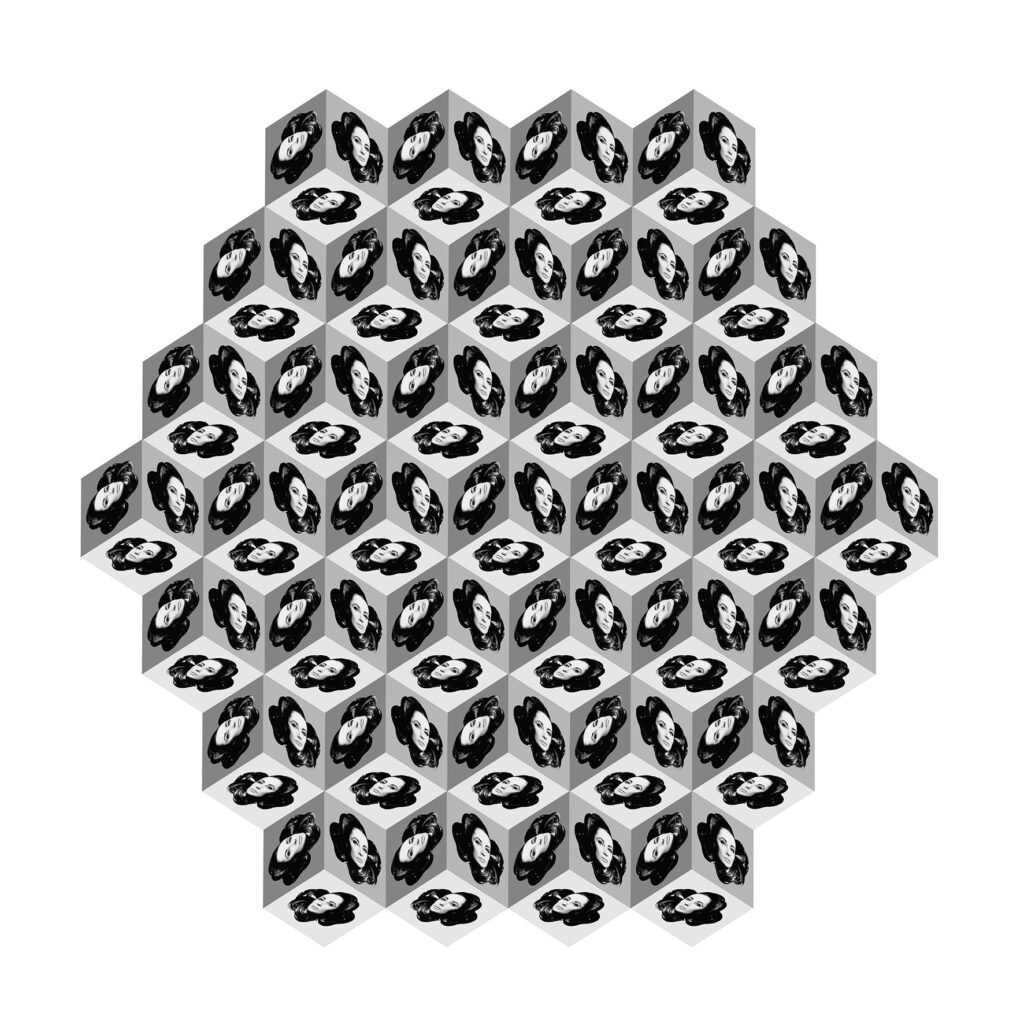
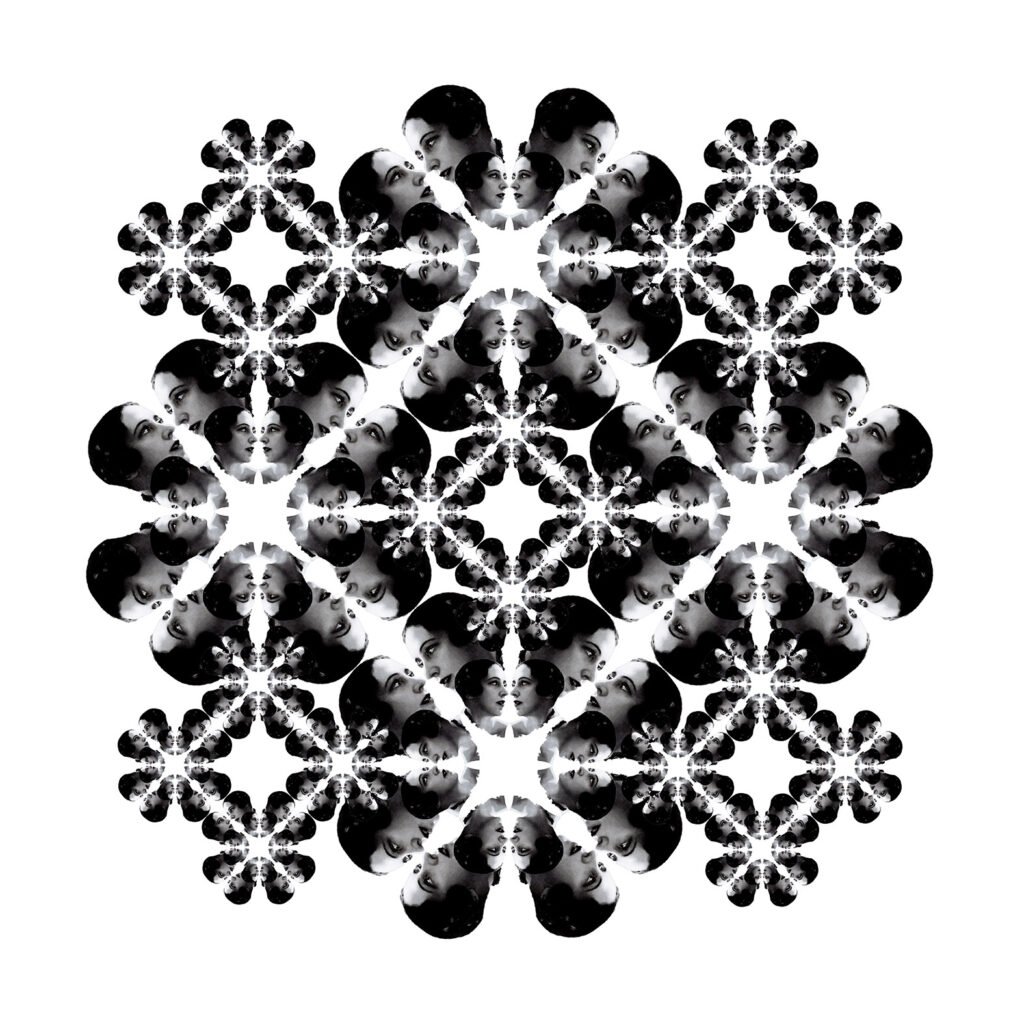
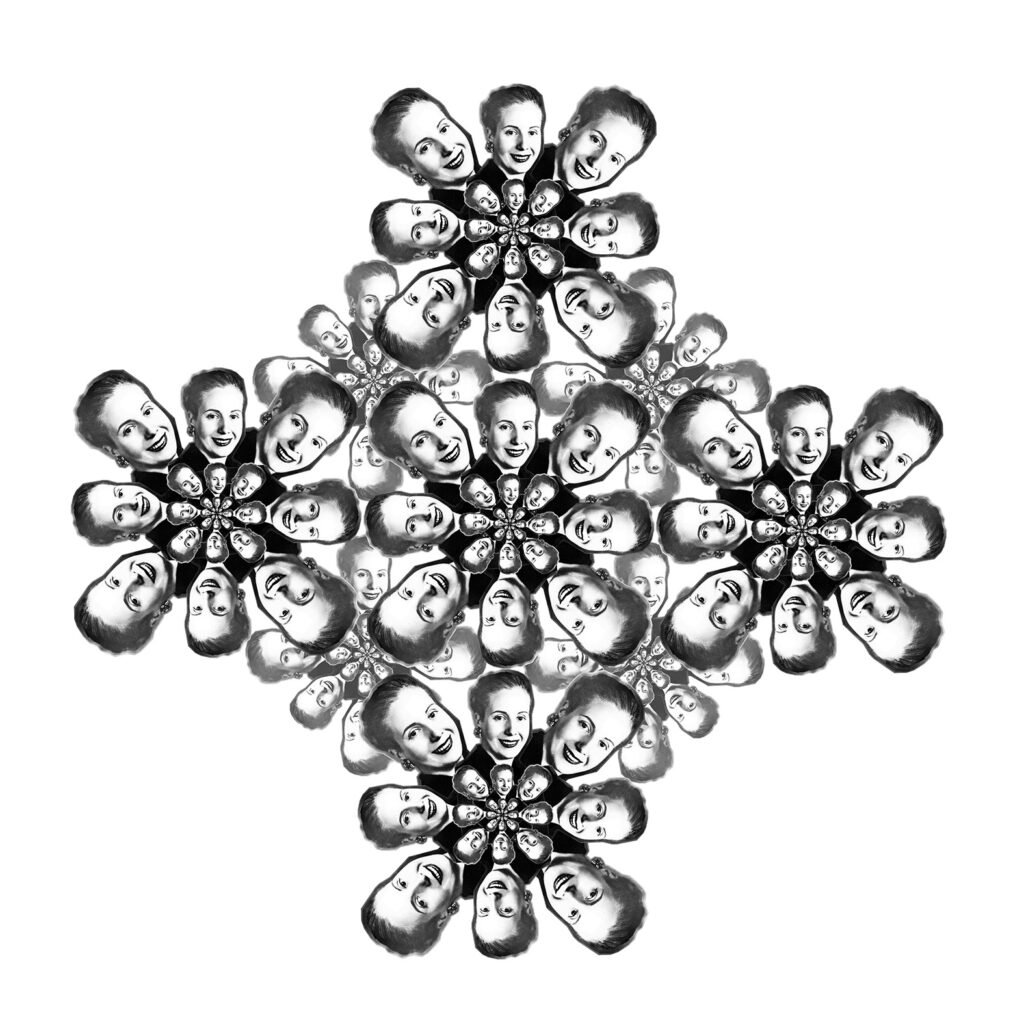
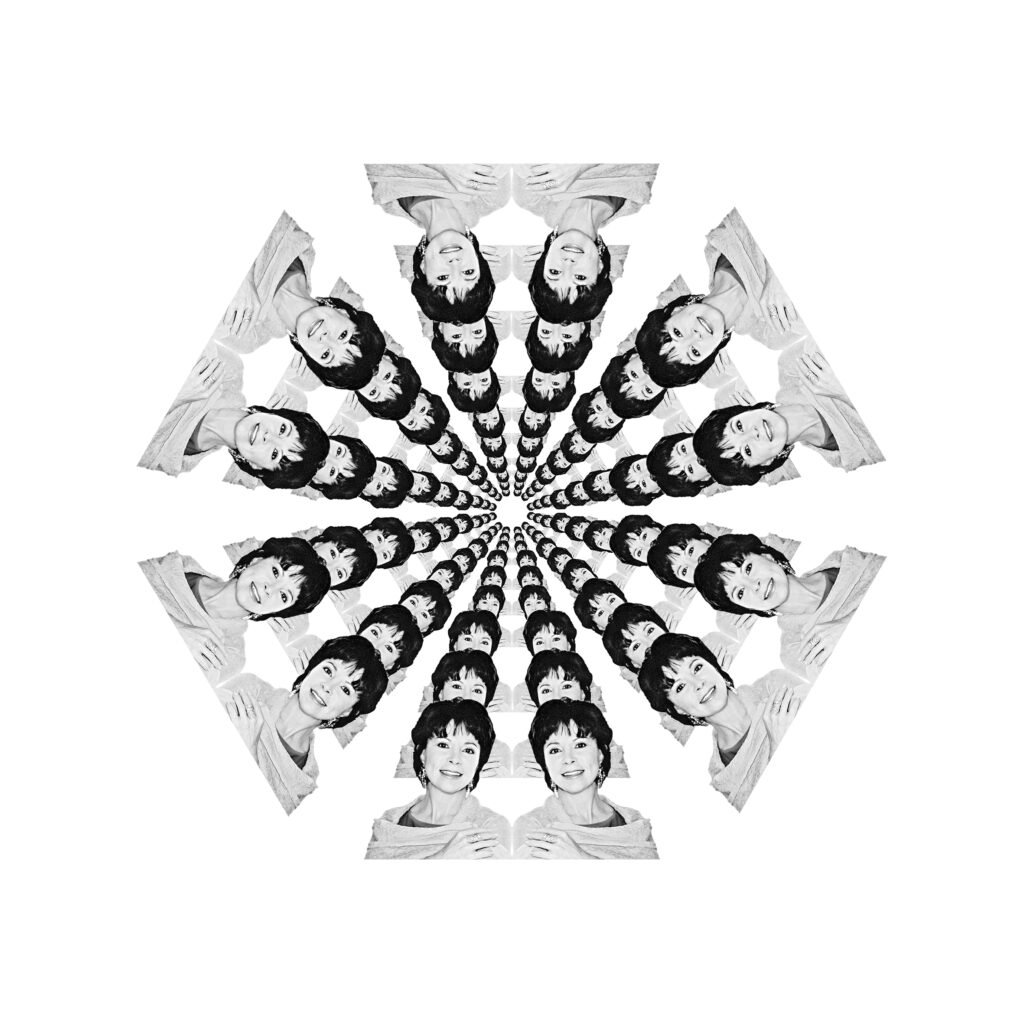
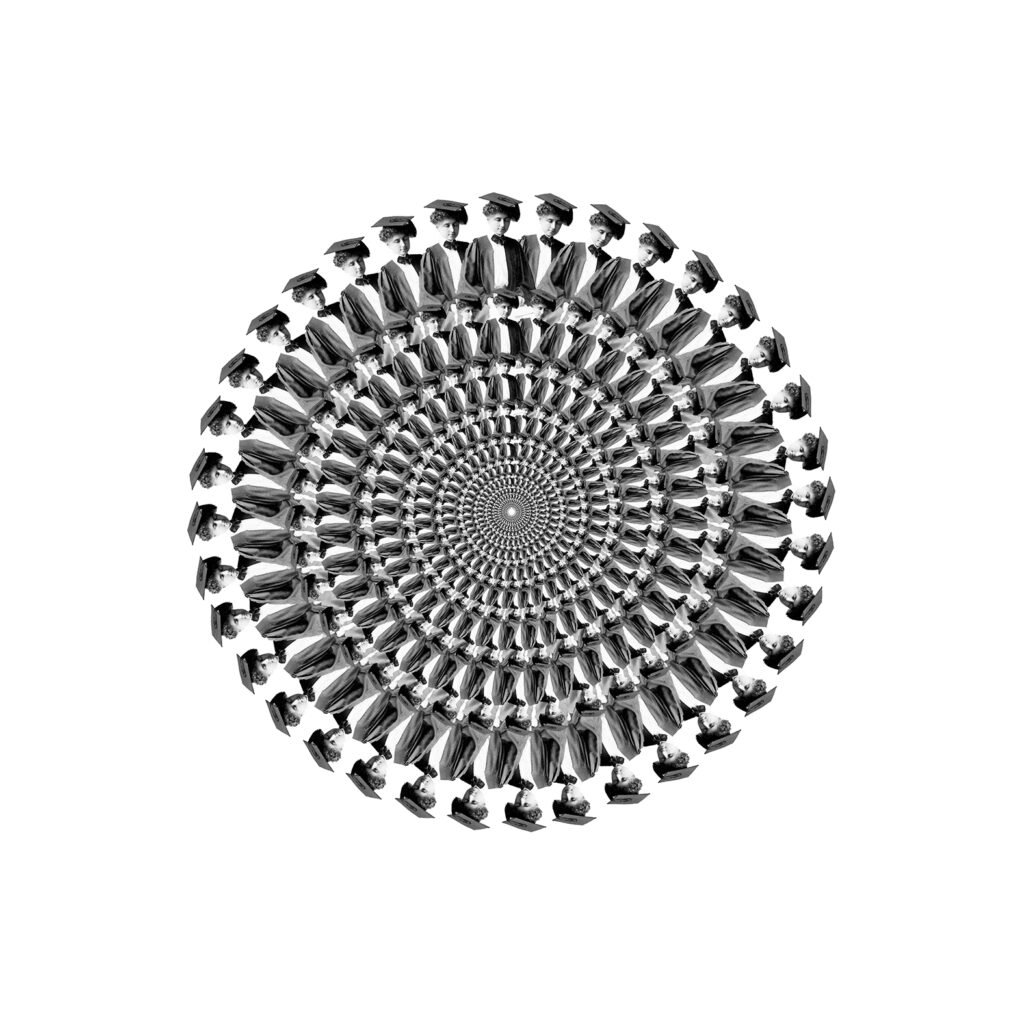
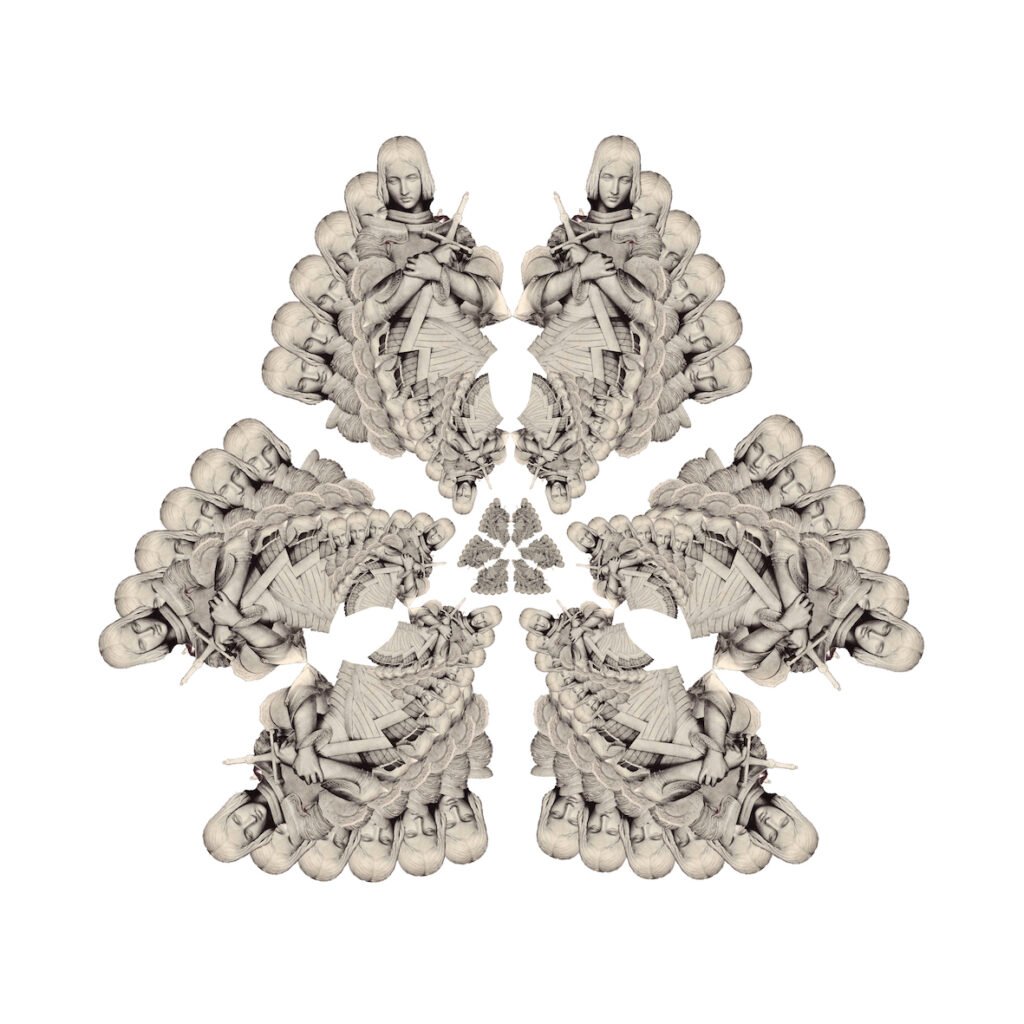
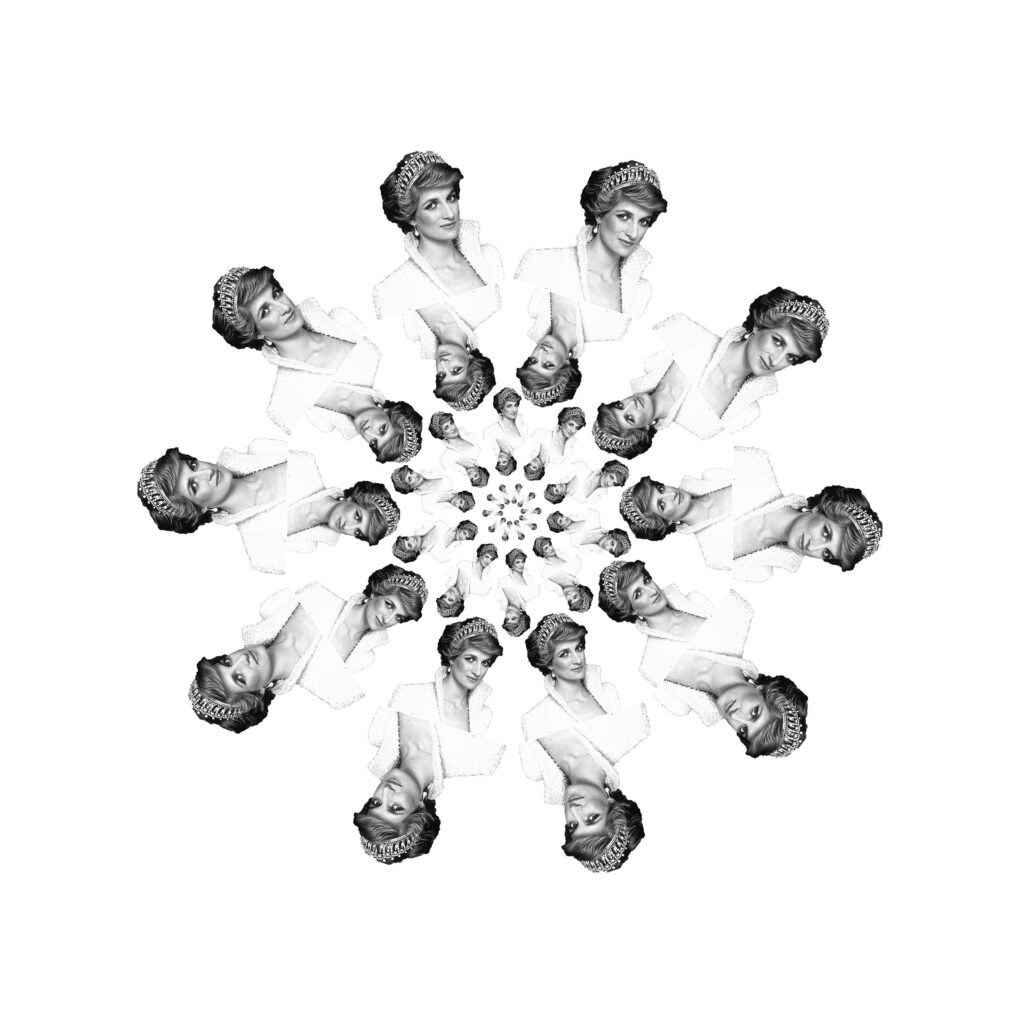
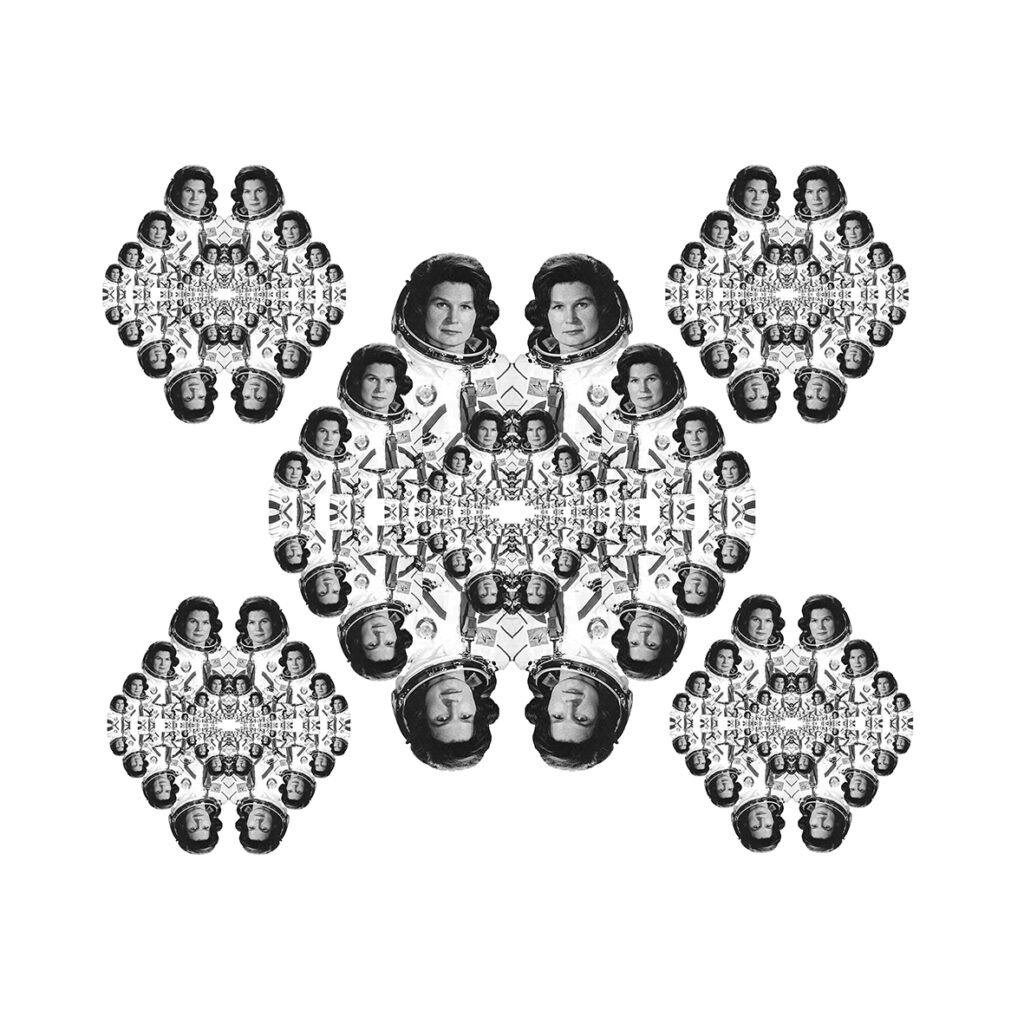
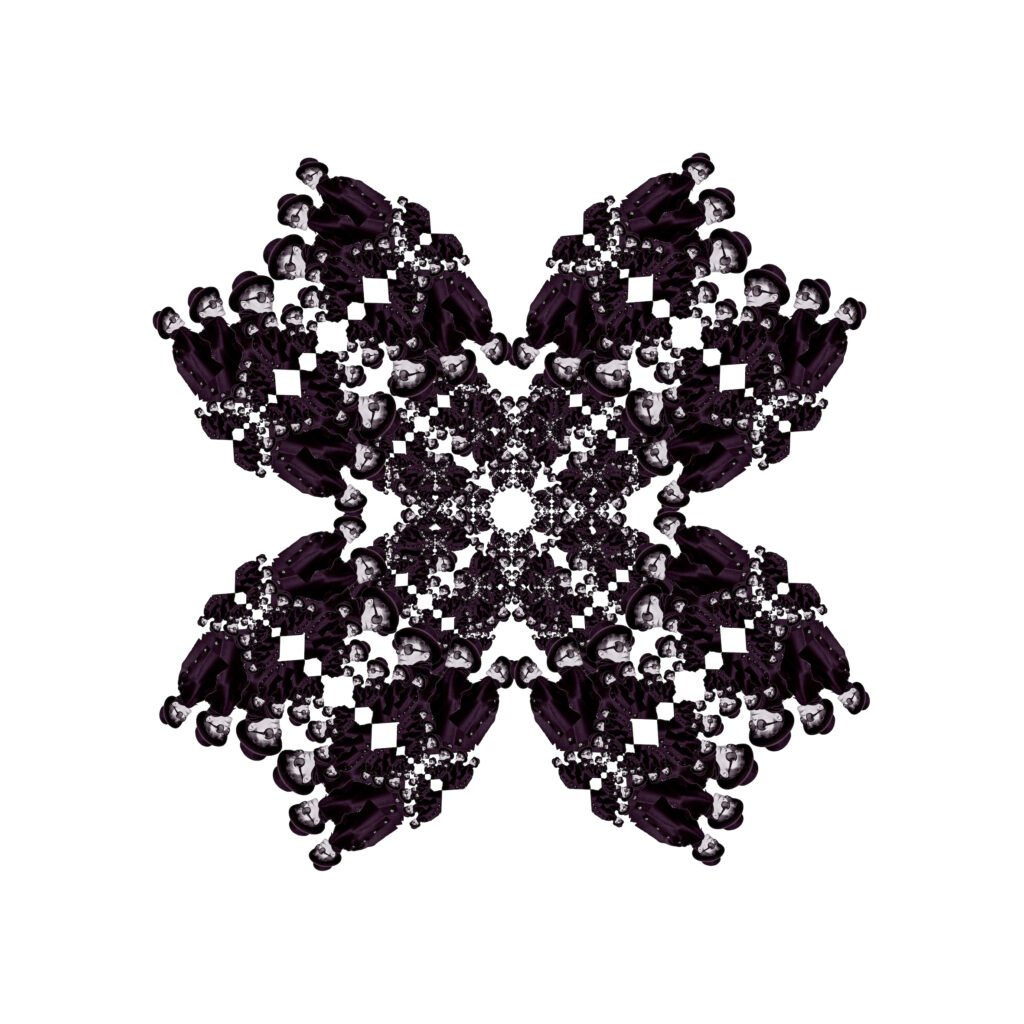
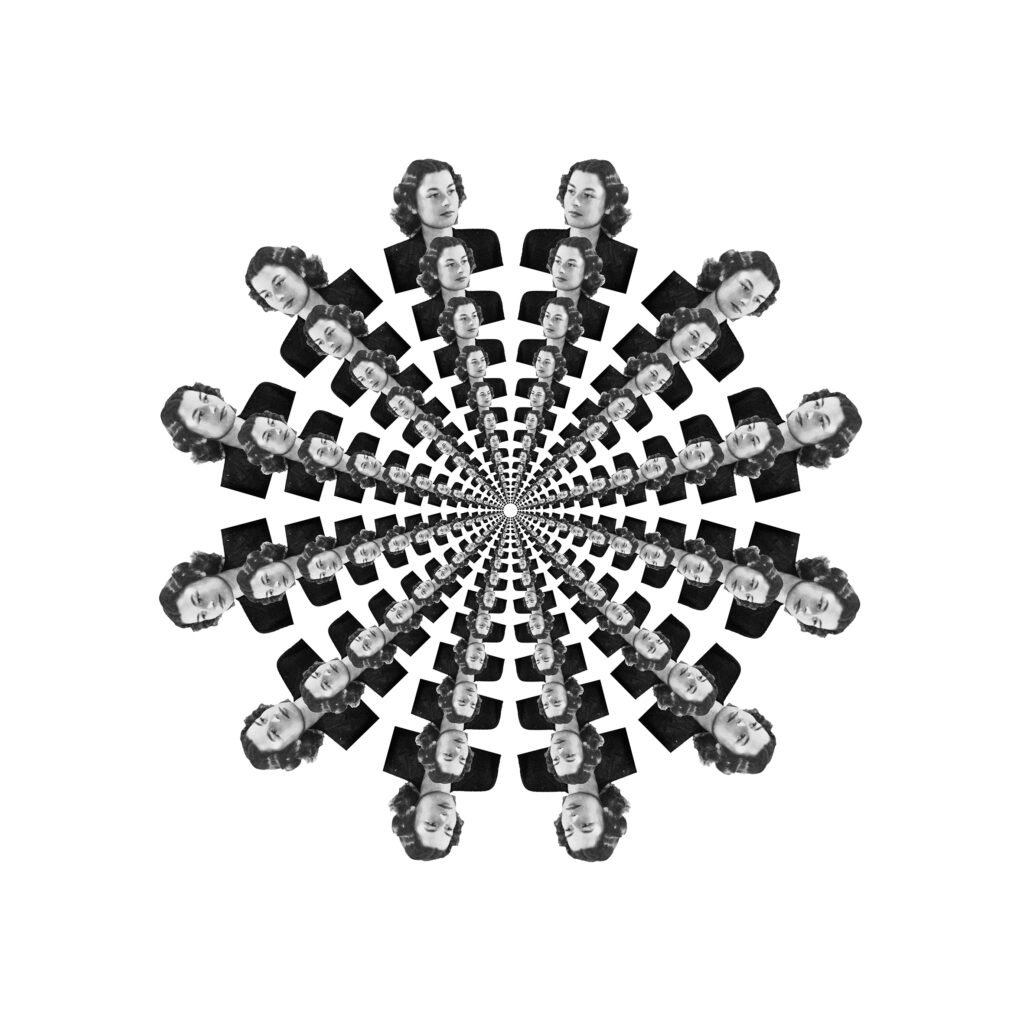
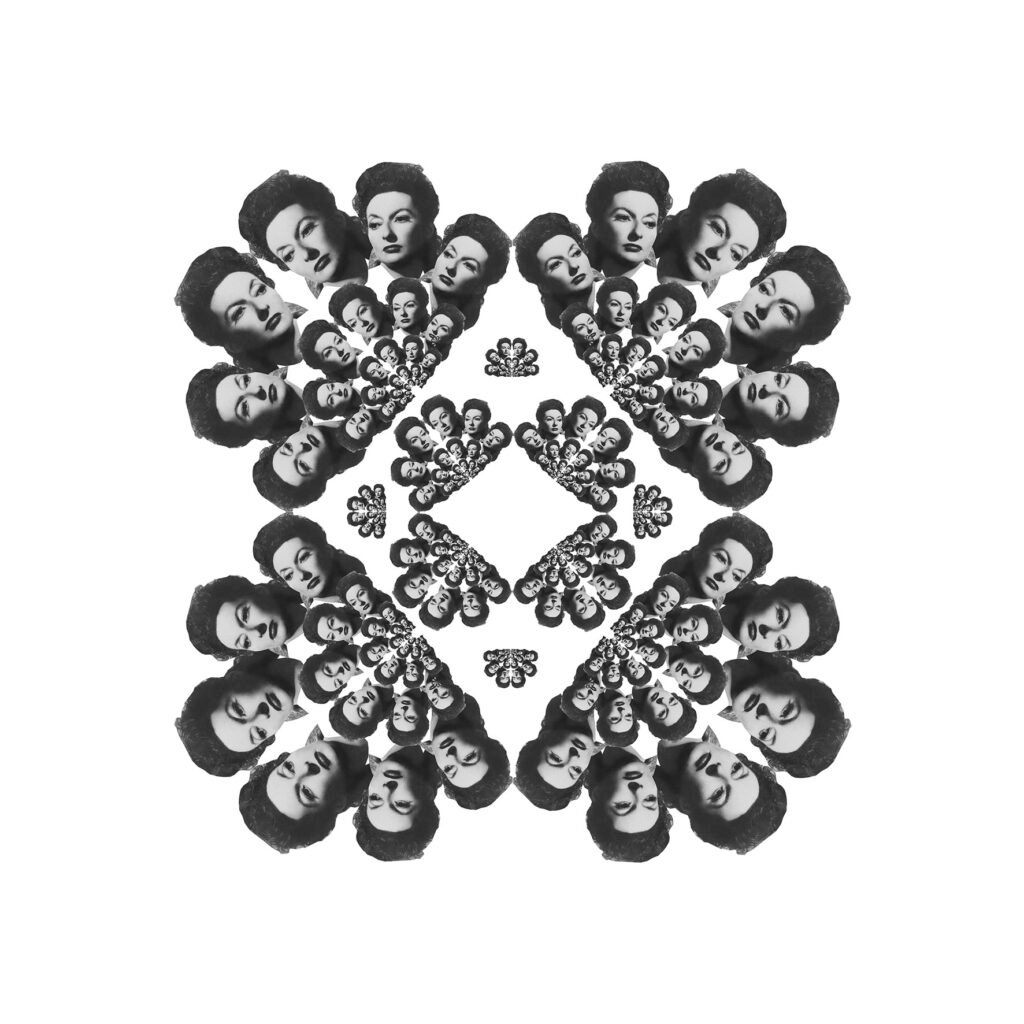
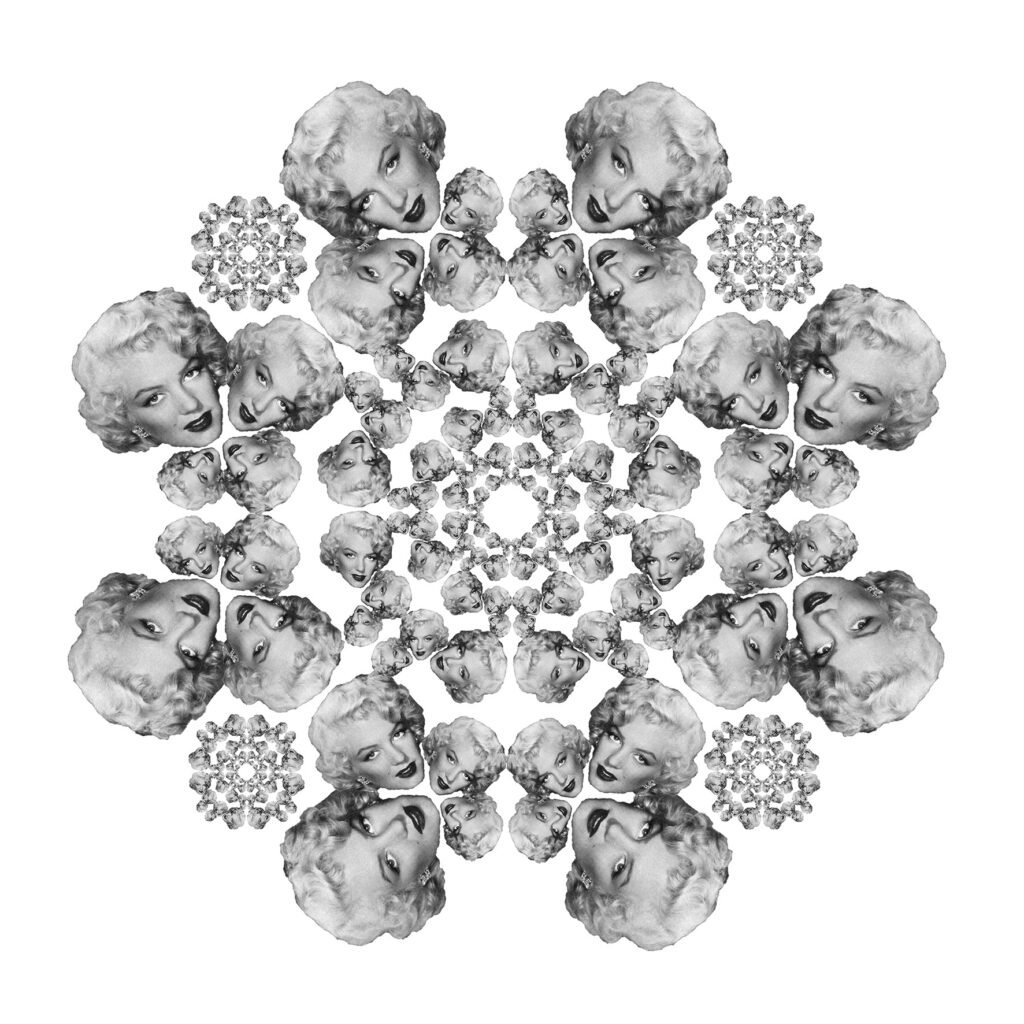
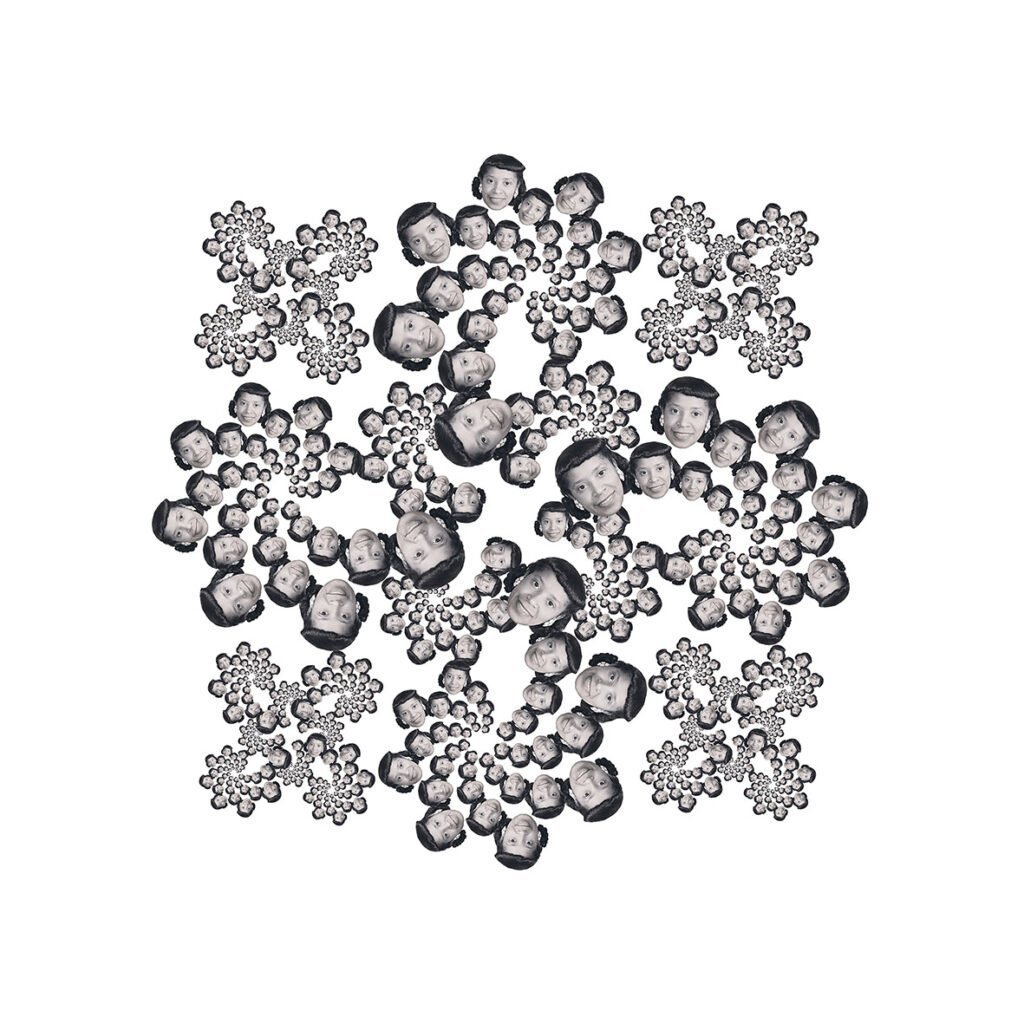
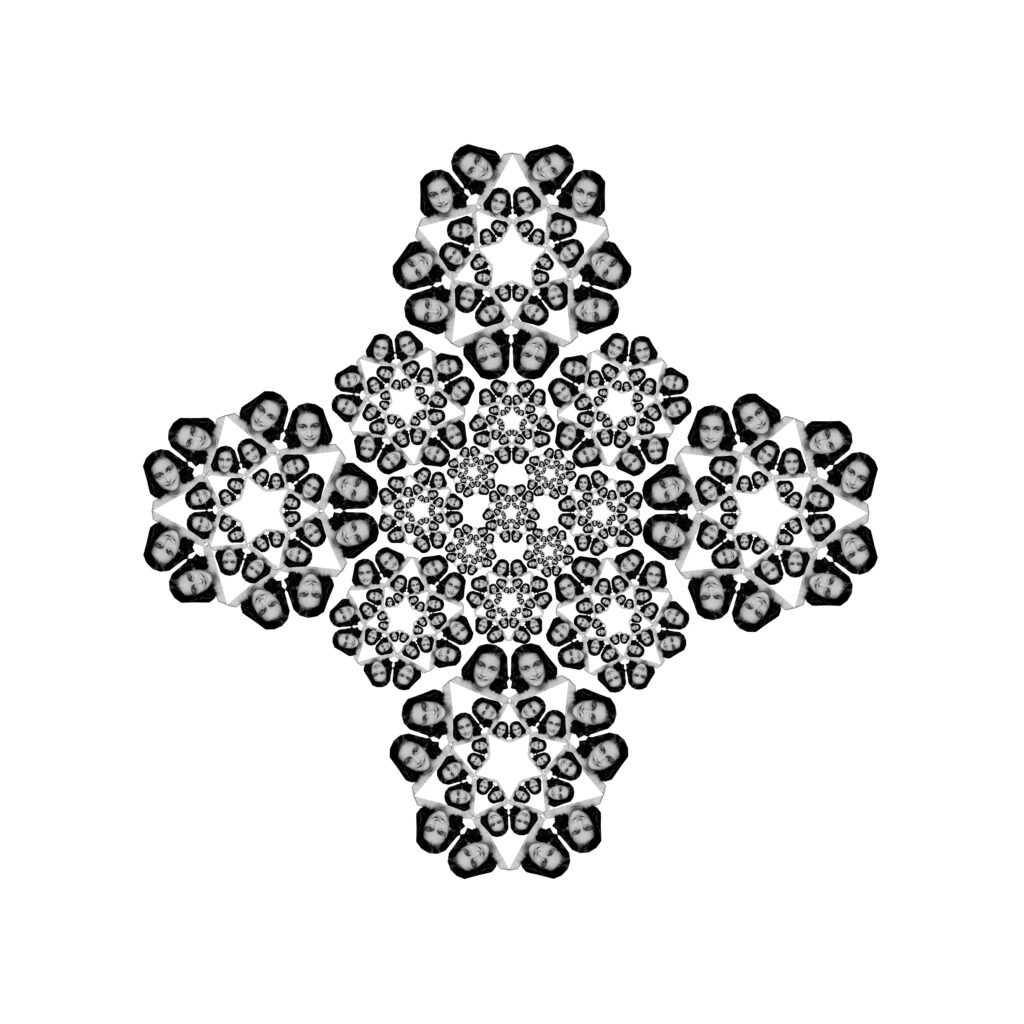
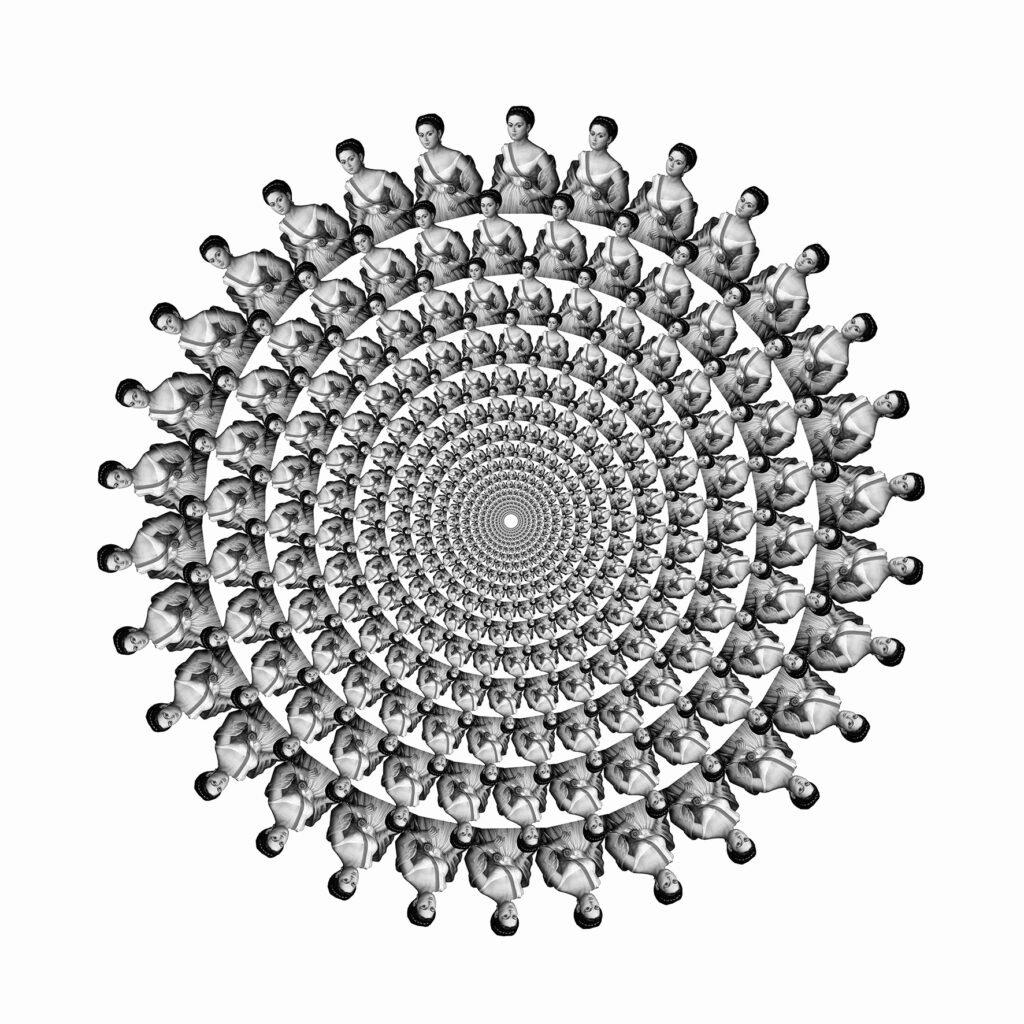
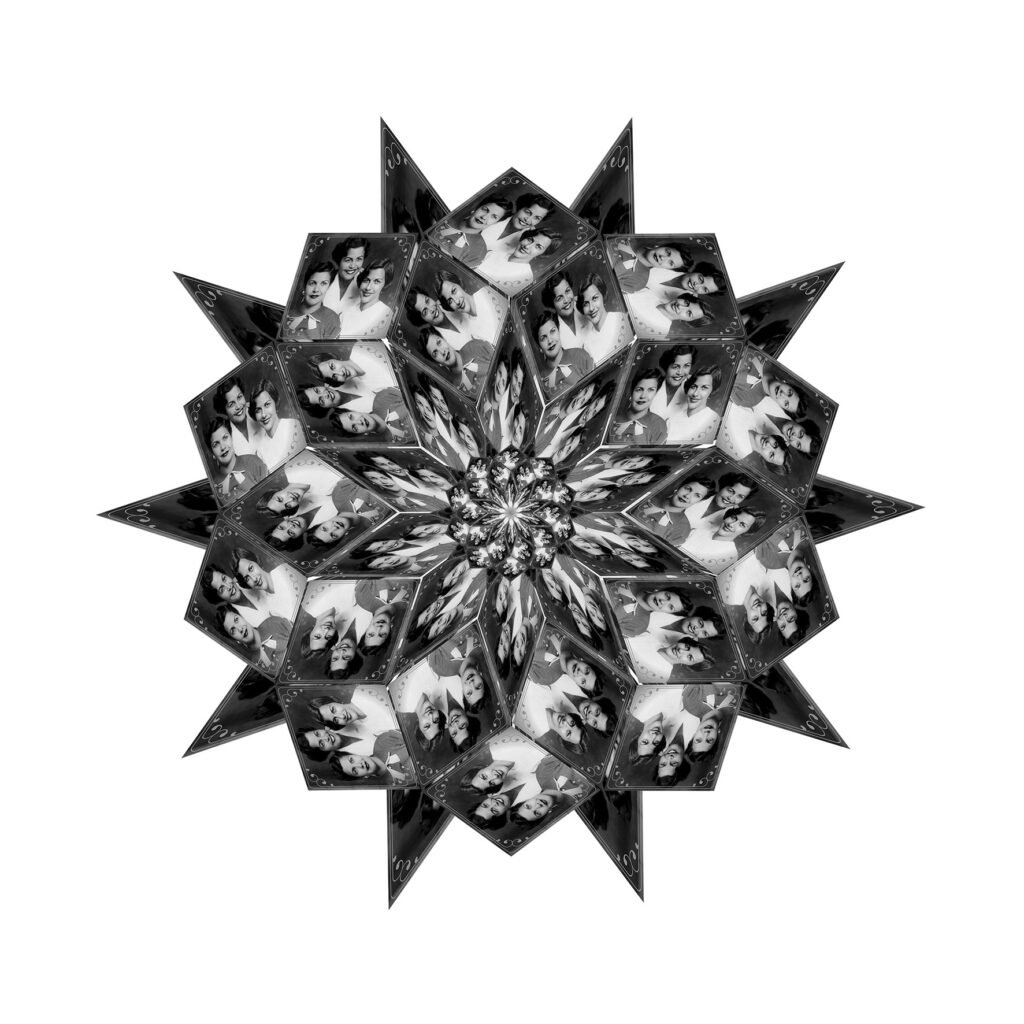
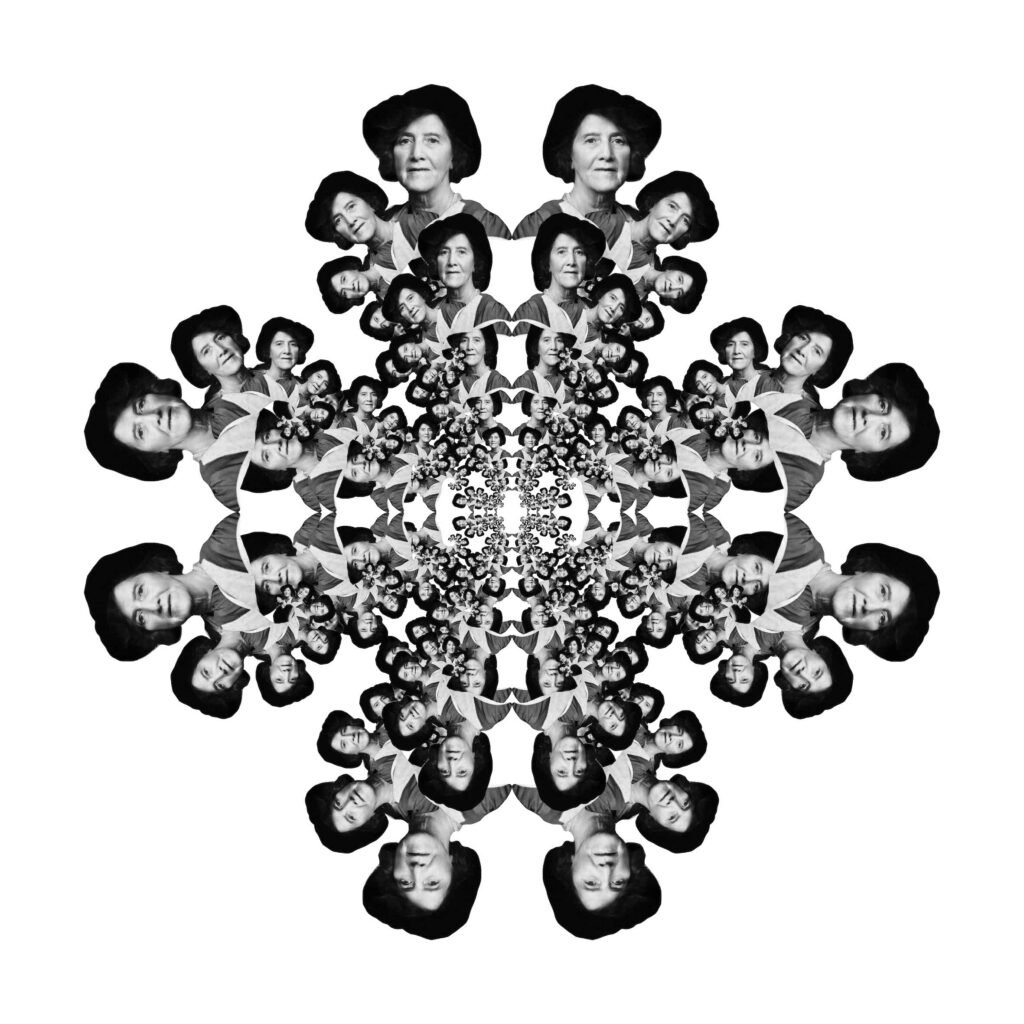
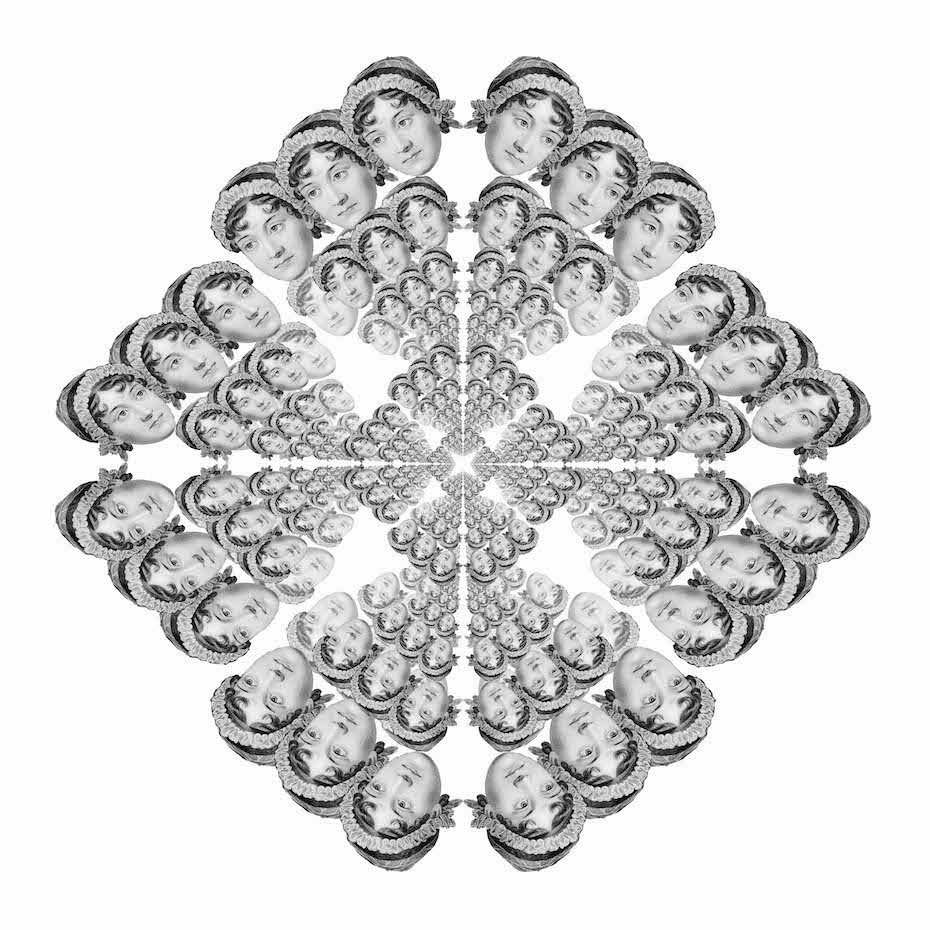
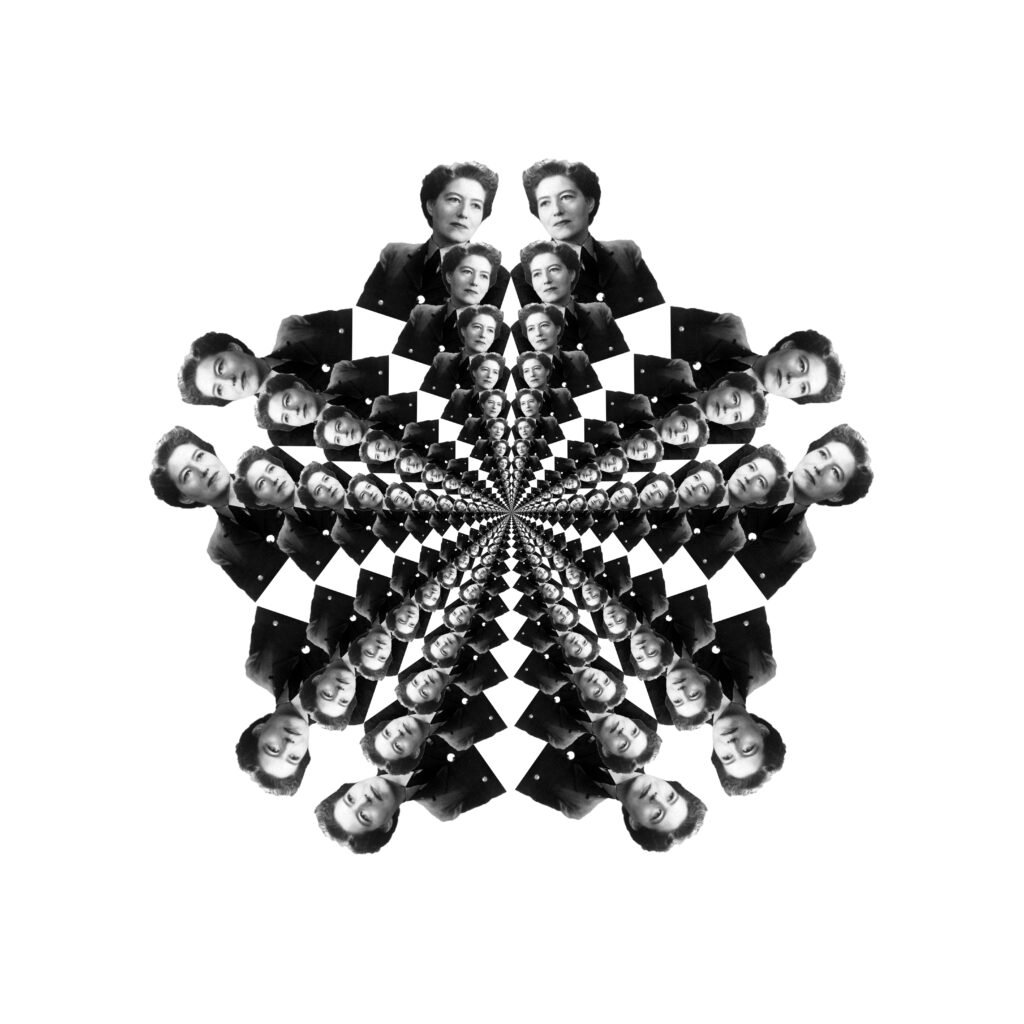
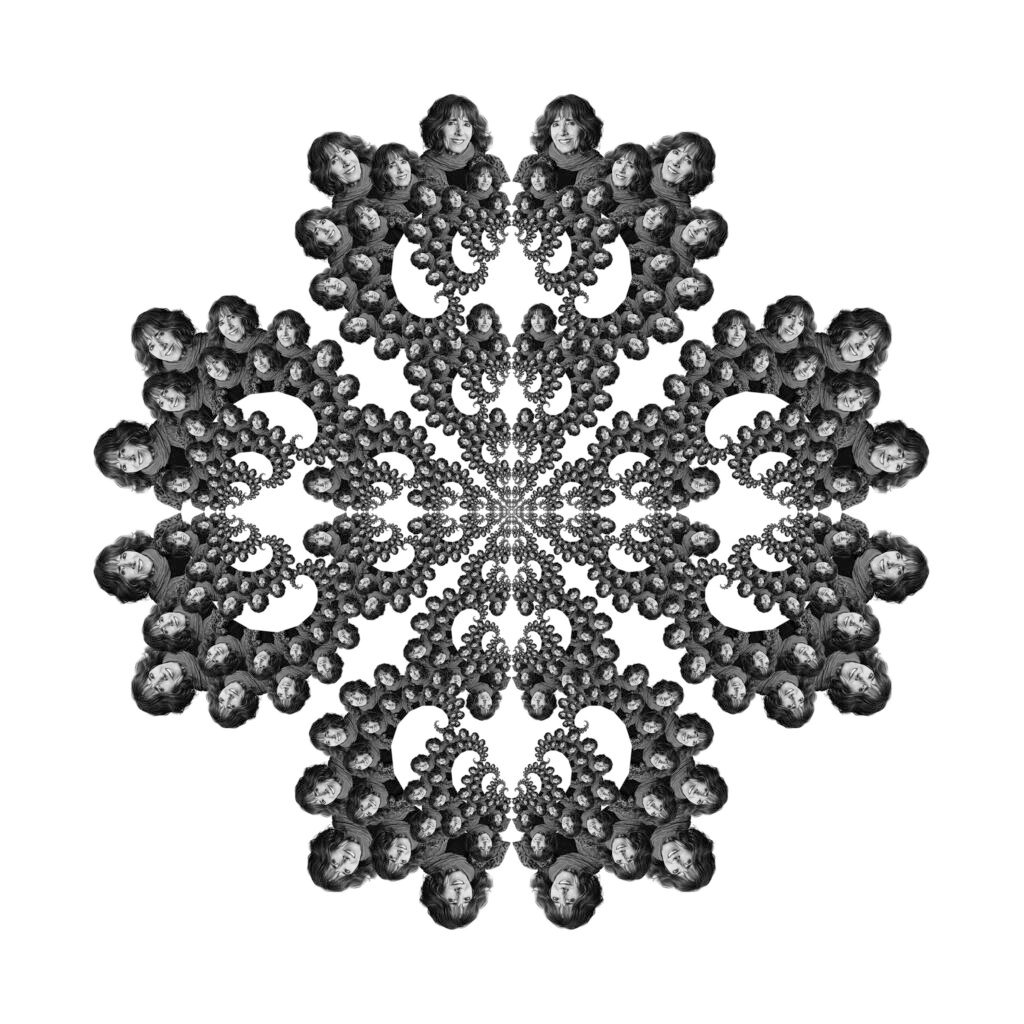
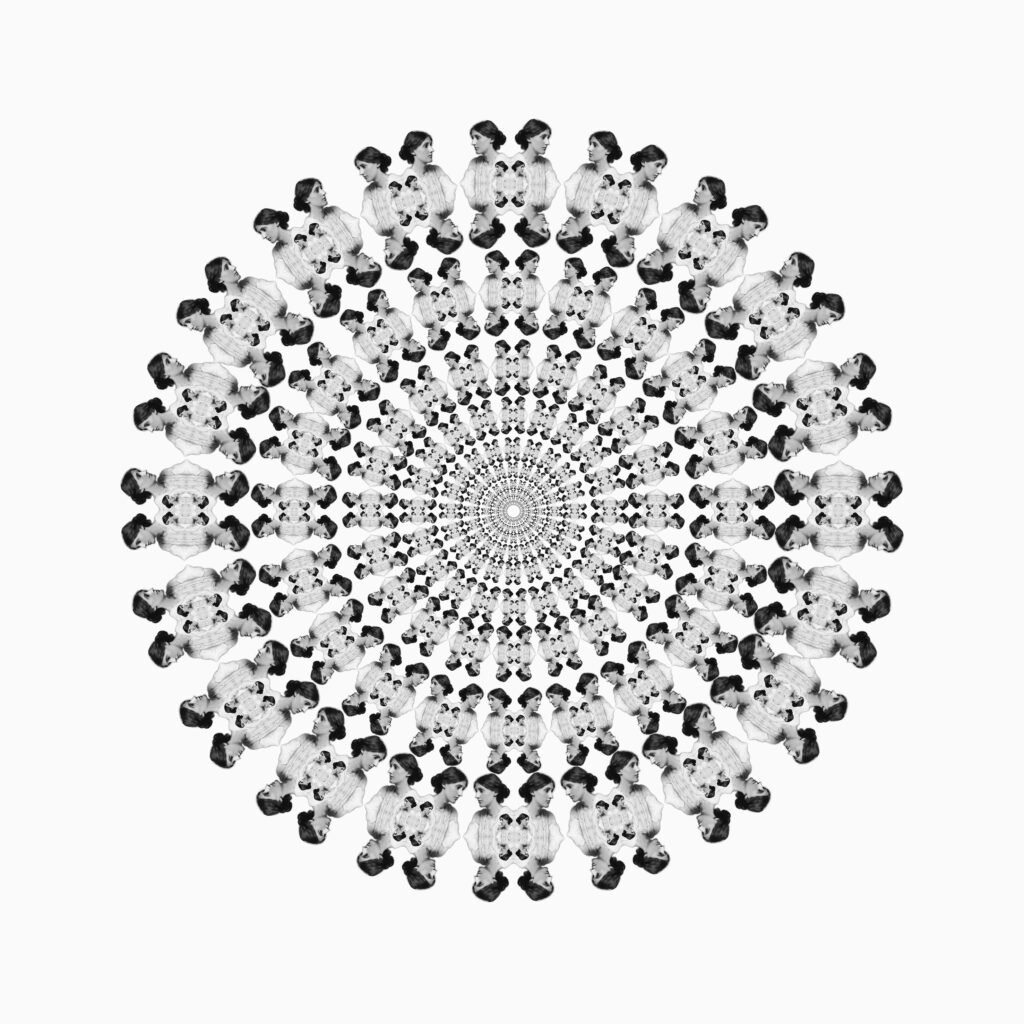
2025
Stills of Peace
Italia/Colombia
La partecipazione alla dodicesima edizione di Stills of Peace and Everyday Life a Pescara si inserisce nel progetto promosso dalla Fondazione Aria, che utilizza l’arte contemporanea come strumento di dialogo, inclusione e trasformazione sociale. Sotto il titolo “Italia e Colombia: Global Future”, l’edizione si configura come un laboratorio di idee e un modello di resilienza culturale in cui l’arte supera le distanze geografiche per trasformare la diversità in una risorsa collettiva. In un mondo segnato da sfide globali, la rassegna dimostra che la pace è un processo dinamico che si costruisce nel quotidiano, coinvolgendo attivamente il territorio attraverso scambi concreti in cui la Colombia porta la sua storia di rinascita e l’Italia il suo patrimonio tra tradizione e innovazione.
In questo scenario di convergenza culturale, la mostra presentata negli spazi della galleria TAG Garage propone un nucleo di 6 opere che mettono in dialogo la storia dell’arte dei due paesi, focalizzandosi su sei figure chiave della cultura e della resistenza femminile: tre icone dell’arte colombiano —Vicky Ospina, Olga de Amaral e Débora Arango— e tre punti di riferimento della cultura italiana —Alda Merini, Maria Lai e Letizia Battaglia.
In merito a questa ricerca, la galleria YAG Garage scrive:
«Lalula Vivenzi Carrasco ci invita a riflettere su un tema profondo e universale: l’equilibrio tra la componente maschile e quella femminile che risiede in ognuno di noi. L’artista esplora come, troppo spesso, la nostra parte femminile venga negata o percepita come inferiore. Ma per lei, la vera forza risiede nel ritrovare l’armonia originale tra questi due elementi apparentemente opposti, ma in realtà complementari, proprio come il bianco e il nero.»
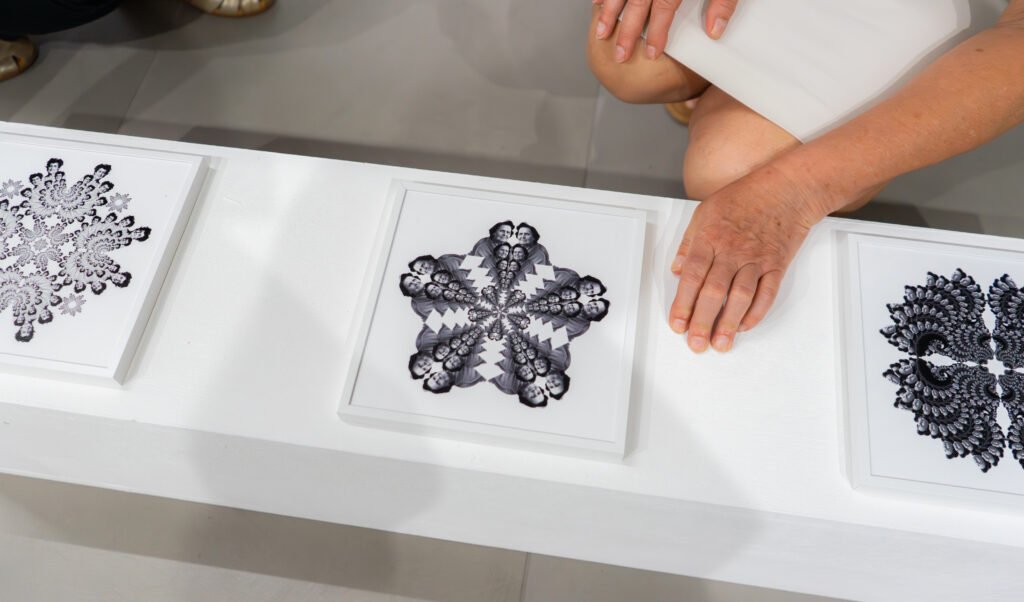
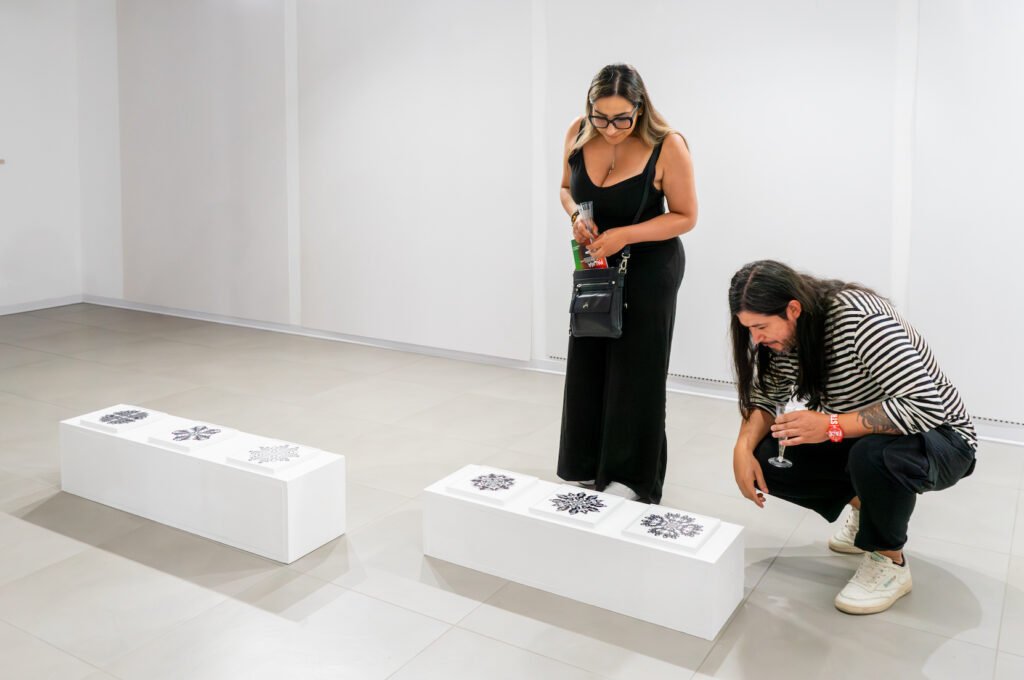
2023
PARATISSIMA TORINO
2022
RARA, Artist residency, MALAGA
2016
BOGOTÀ