Diary of a Macho
Photography 2017
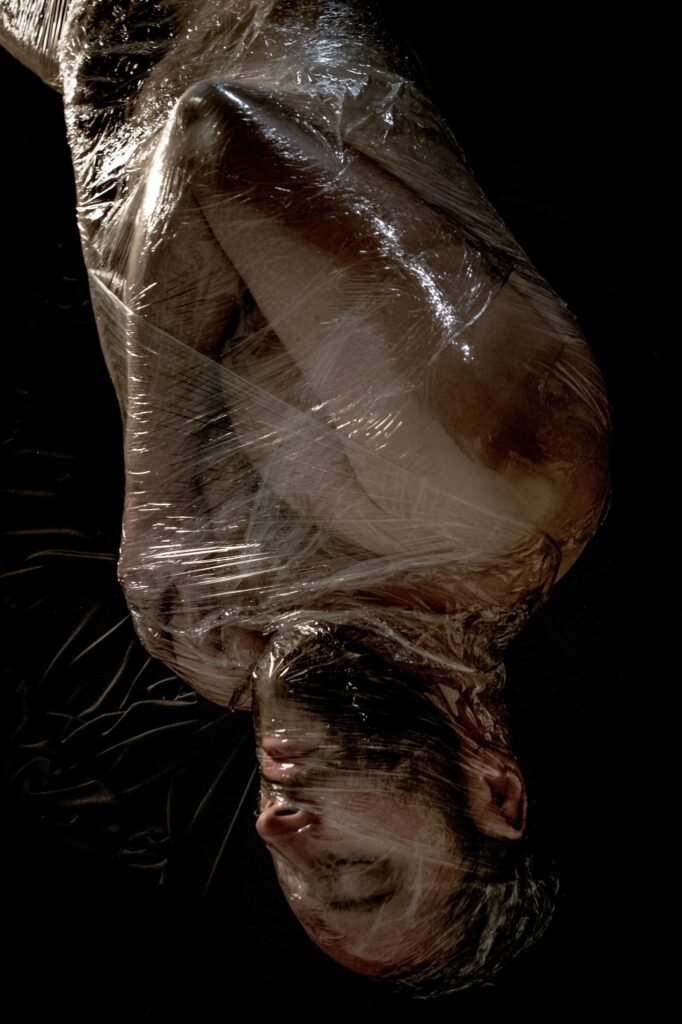
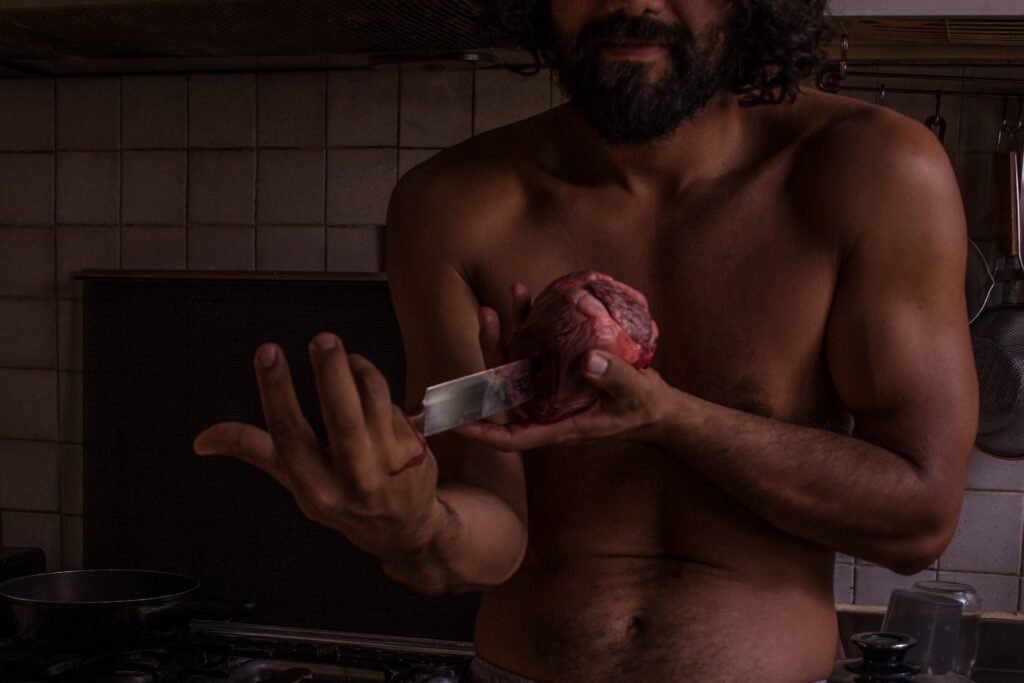
This photographic series is divided into different chapters that delve into the psychology and destructive behaviors of toxic masculinity.
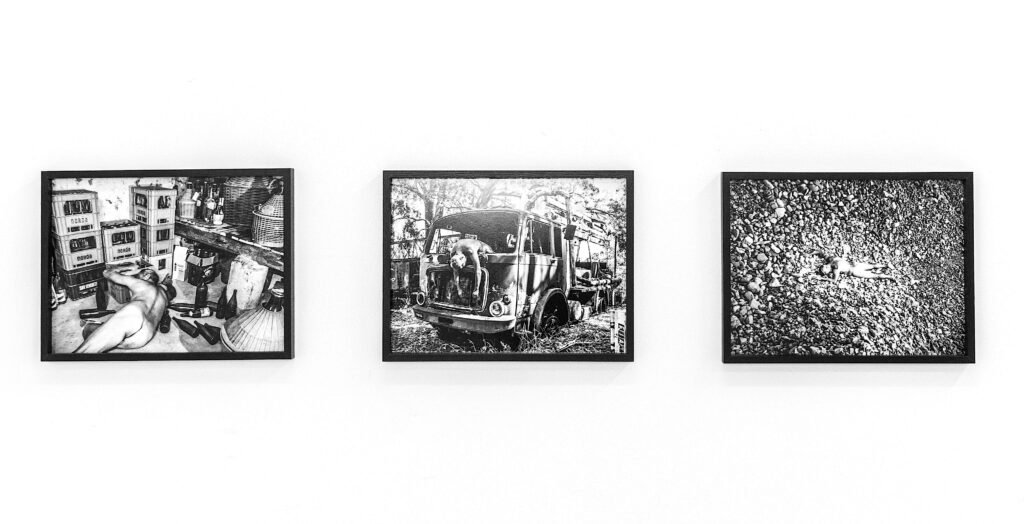
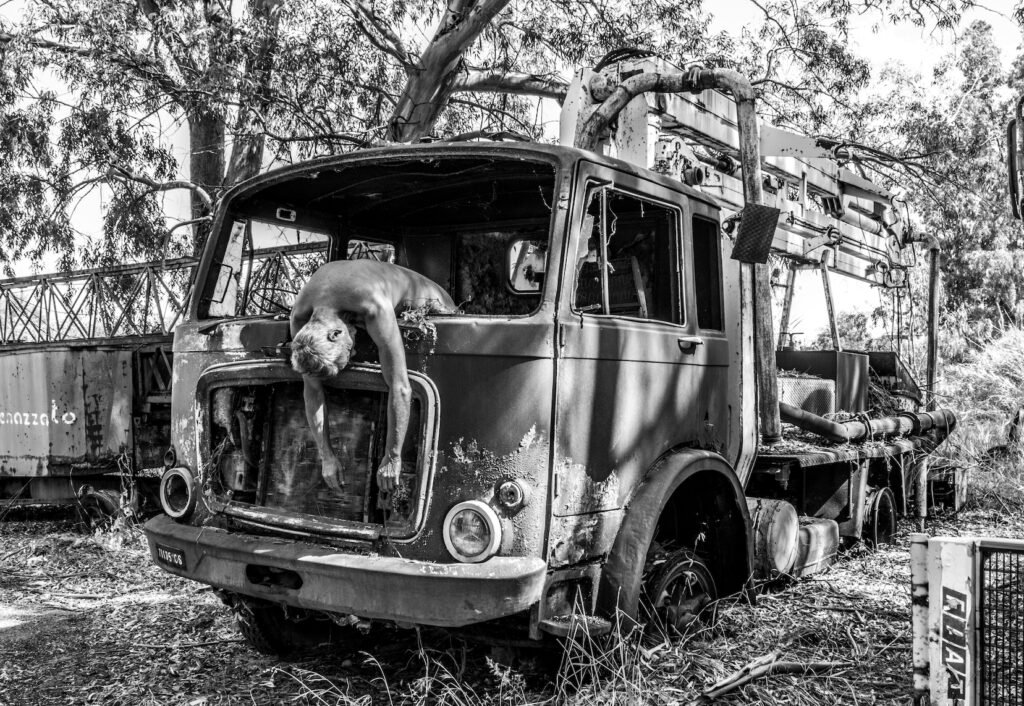
The first part of the series consists of three photographs that chronicle the cyclical dynamic of gender-based violence through a specific narrative: the man returns home and unleashes his fury, beating his wife to the point of exhaustion; immediately after, overwhelmed by sudden guilt, he retreats into alcohol to drown his shame and erase what he has done. Intoxicated, he gets into his car and speeds recklessly, losing total control of the vehicle just as he has already lost control of his own emotions and thoughts. The final crash leaves him weakened, hollowed out, and dramatically alone.
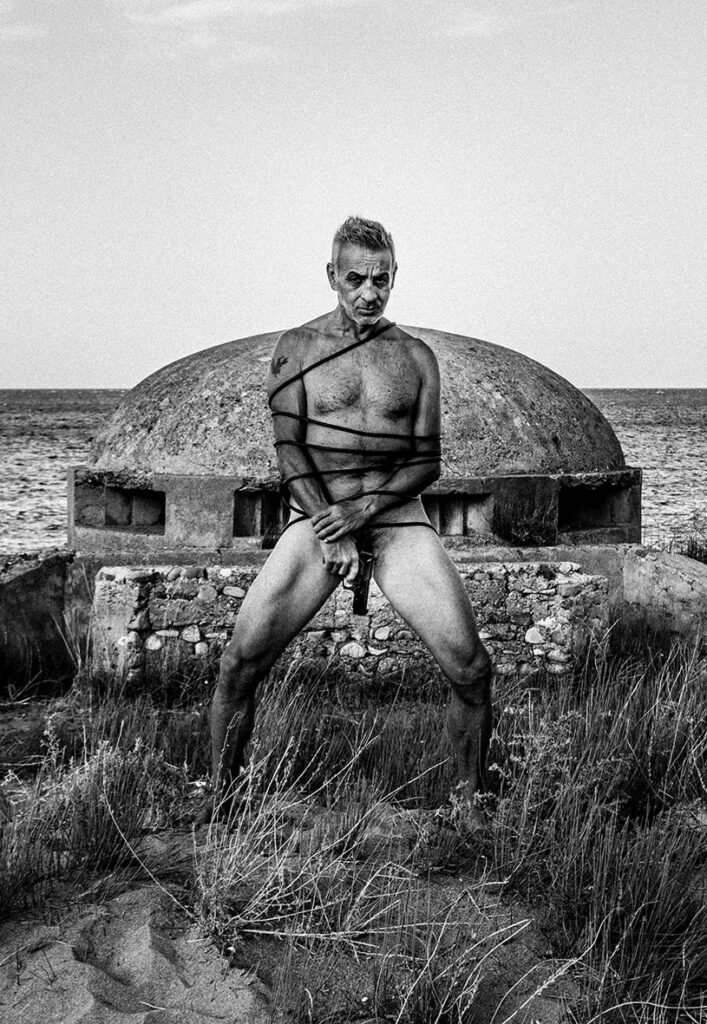
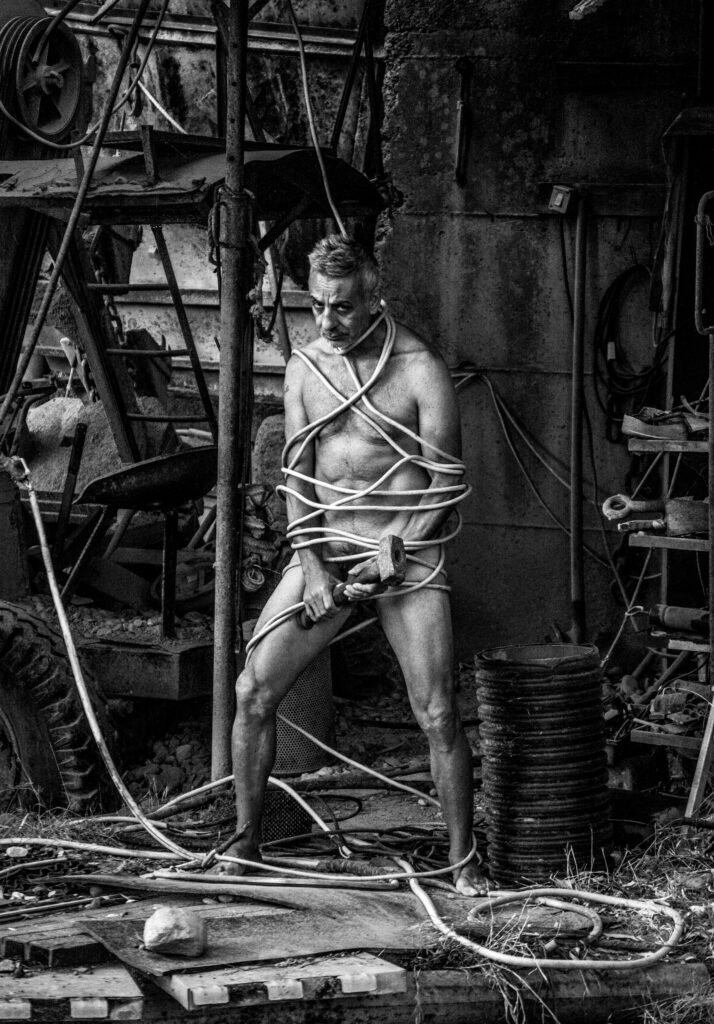
The subsequent images in the series pivot toward direct confrontation, showcasing literal scenes of a man in possession of weapons. With this, I aim to explicitly expose the latent danger, intimidation, and the use of firearms as symbols of power, control, and imminent threat within the private sphere.
Through this project, I expose recurrent episodes that destroy domestic harmony, revealing without filters the most common traits that lie behind a violent man.


ADAM
Photography 2019
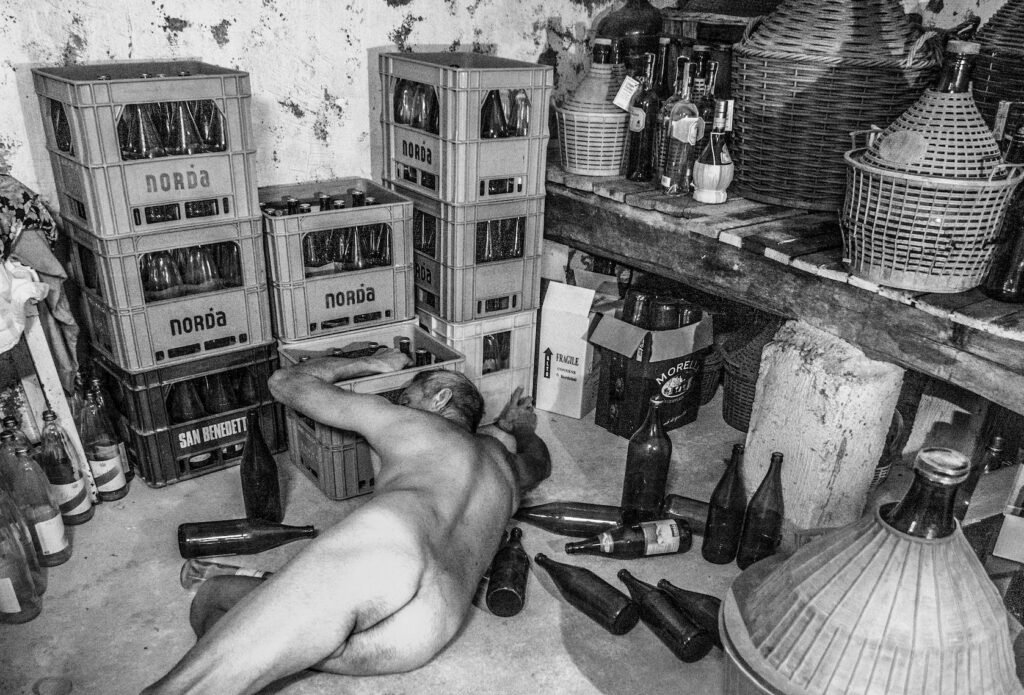
Adam represents the foundational male archetype in Western cultural history. Traditionally narrated as the first man, seduced by woman and led into sin, he becomes here a symbol of a fragile masculinity that is at once blamed and dominant.
The work reinterprets this figure as one of the symbolic roots of patriarchy: a model that, through religious narratives, has historically justified the persecution of women, the blaming of their sensuality, and the repression of diversity. Adam is represented not as an innocent origin, but as an ambiguous figure, both victim and executioner, bearer of a structure of power that is transmitted over time.
The photograph thus opens a critical reflection on the founding myths of Western culture and on the way they continue to influence gender relations, proposing a symbolic rereading that invites the deconstruction of patriarchal models and the imagining of new forms of relationship that are freer, more just, and more inclusive.