
ARTECÁMARA TUTOR
The Program and Curatorship
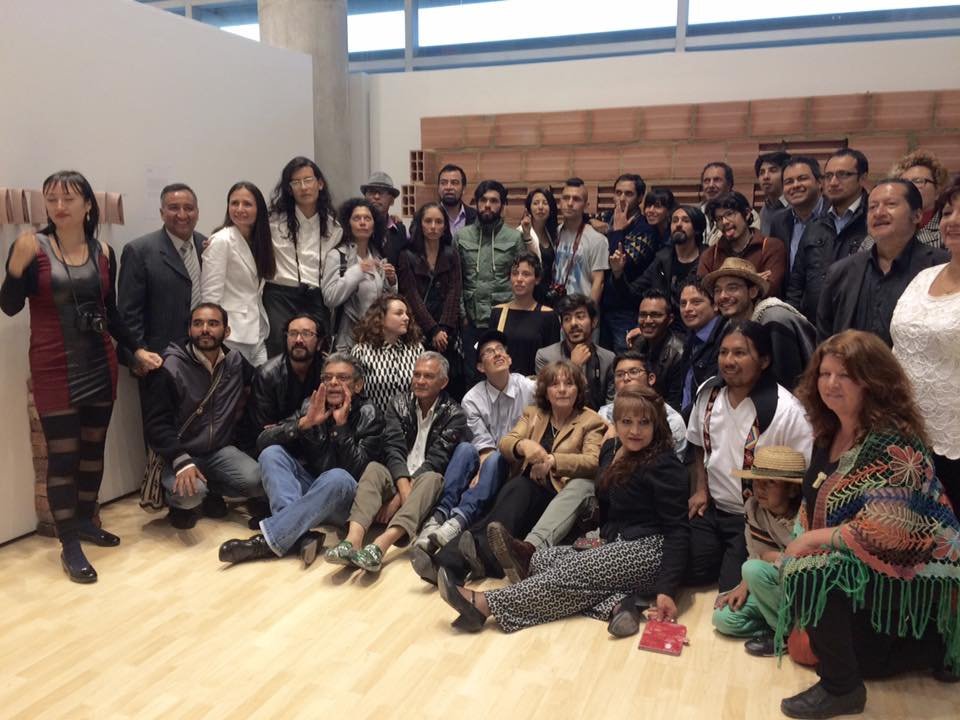
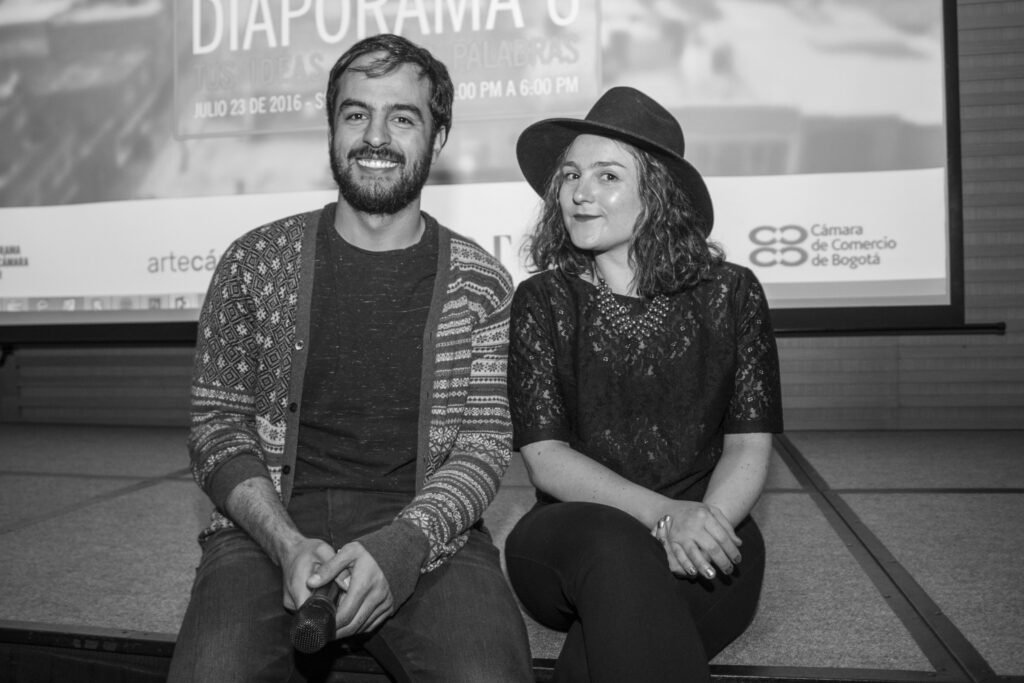
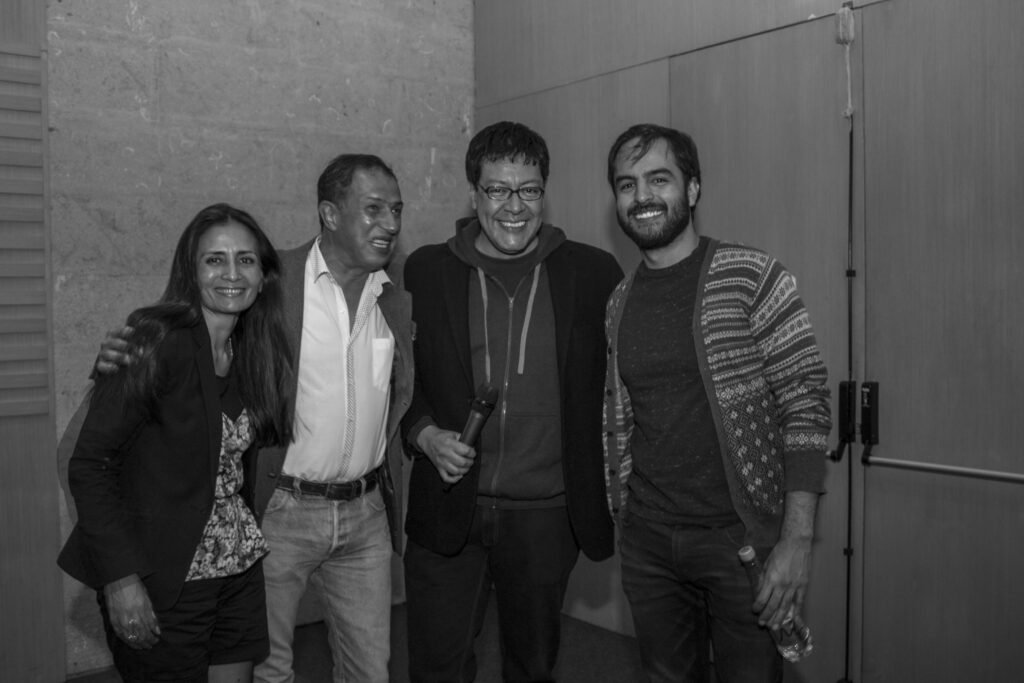
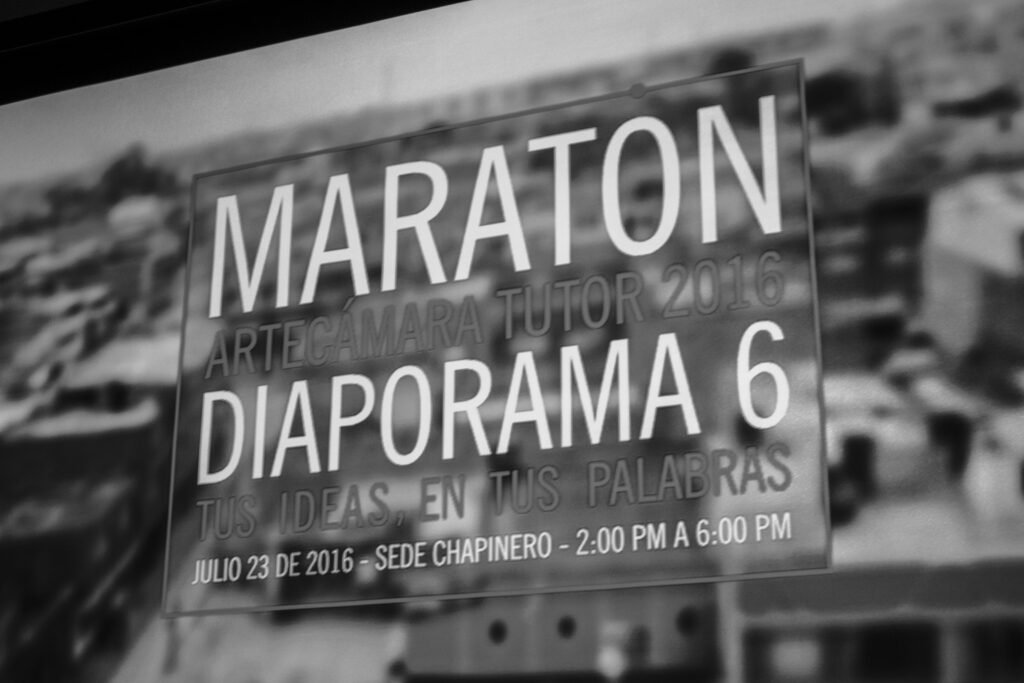
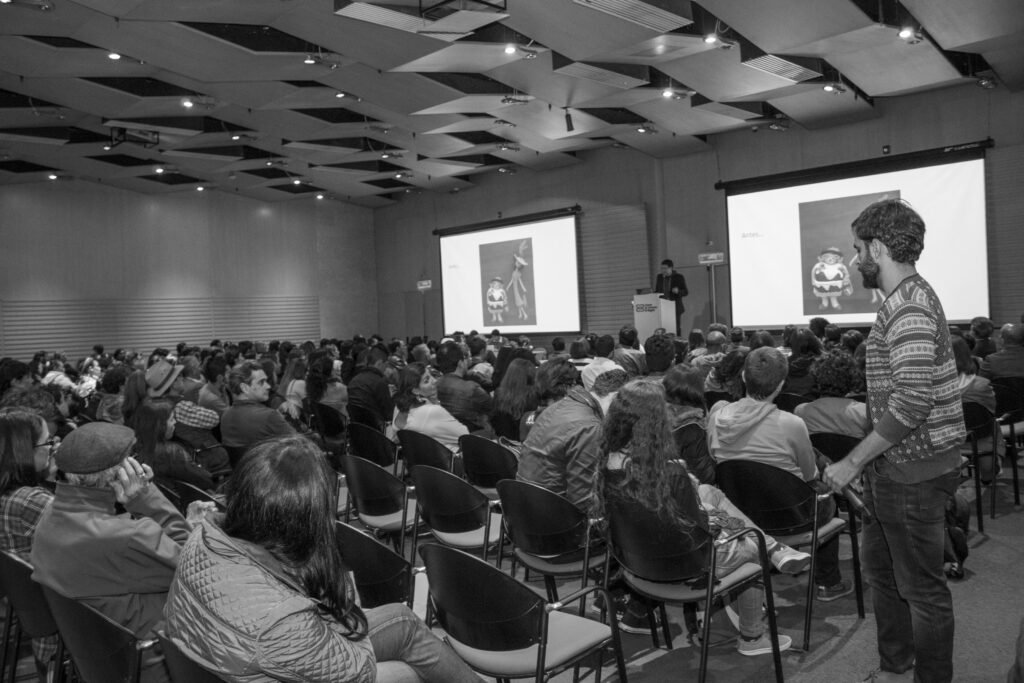
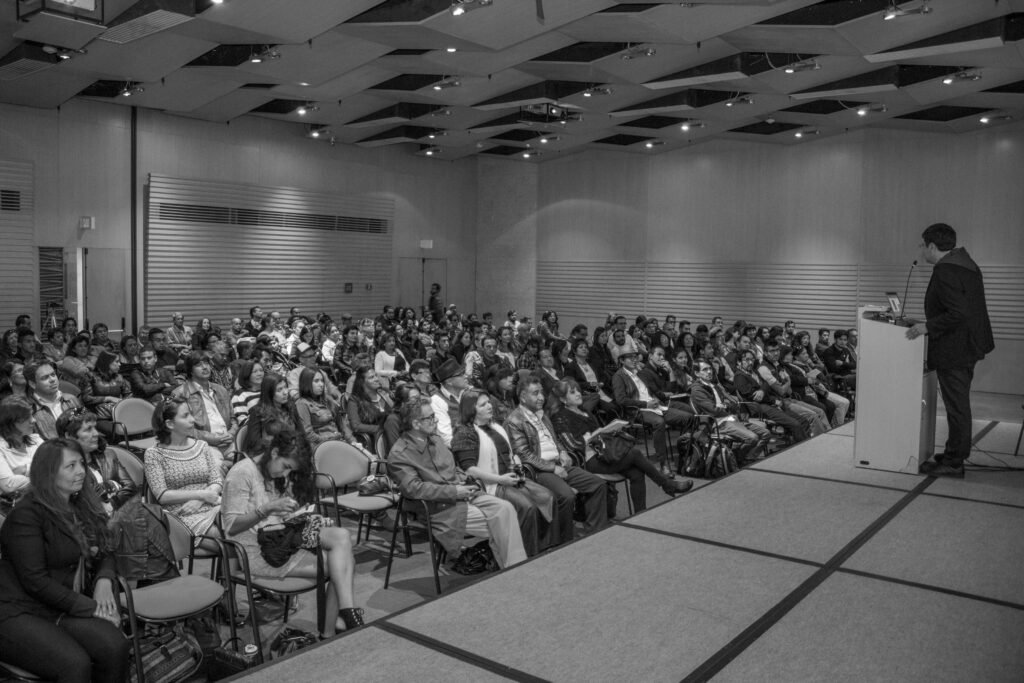
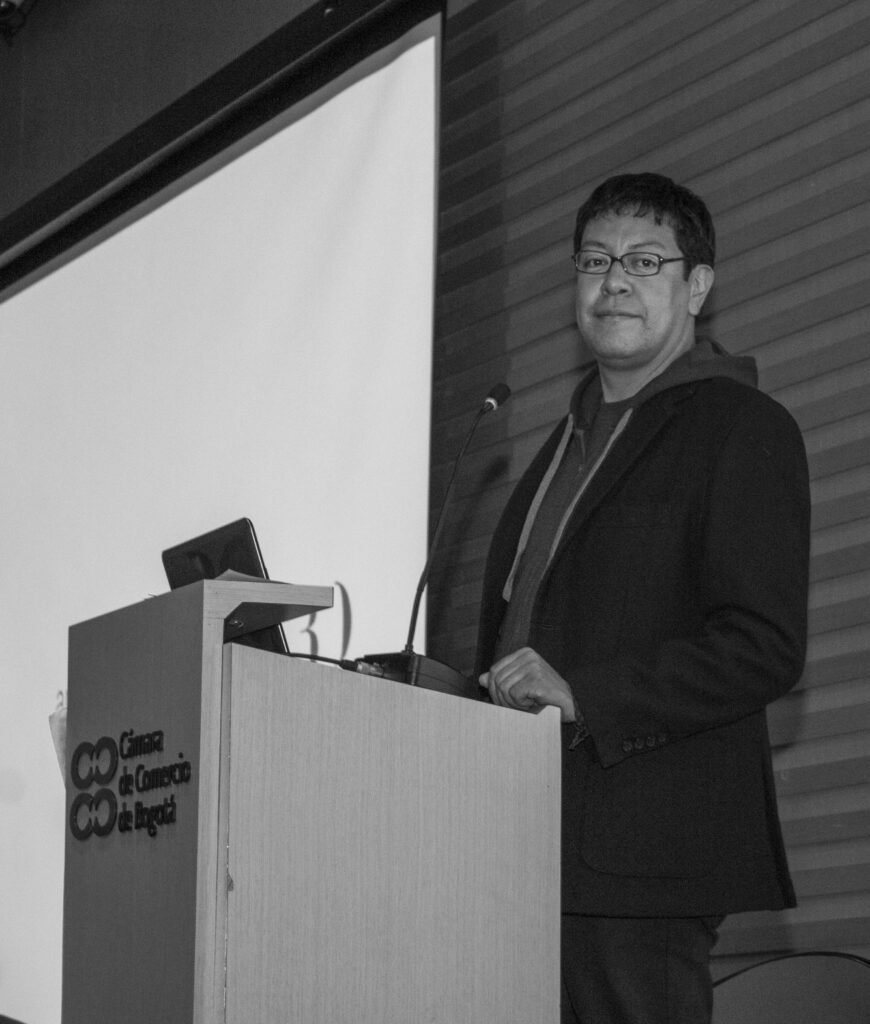
The Artecámara Tutor program by the Bogotá Chamber of Commerce—conceived in its origins and co-founded by master, curator, and cultural manager Franklin Aguirre, who served as its main figurehead in 2016—is an initiative designed to bring together artists from the city, optimize their creative processes, promote their work, and insert them into key local, national, and international spaces. Through intensive workshops, portfolio reviews, and discussion panels, the laboratory addresses production dynamics, conceptual development, and the circulation of art in both official and non-conventional settings.
In the 2016 edition, the curatorial line proposed a critical reflection on the intimate sphere as a trigger for the social and political realm. As Aguirre highlighted in his curatorial text:
“Violent responses to problems of all kinds are born at home, the place where the necessary social strategies and skills to interact in the social field are established. For this reason, it is difficult to establish restrictive and coercive strategies to control criminality at different levels if the individual is unable to self-regulate. Every conflict, no matter how small it may seem, must be resolved in time before it escalates to larger dimensions. These solutions, learned at home, are the ones that will shape not only our domestic environment, but also our macro environment at a national level…” — Franklin Aguirre (2016)
This laboratory wasn’t just about hanging a piece on a wall; the real power of Artecámara Tutor lay in its long-term mentorship model. Over the course of several months, the program operated as an intensive incubator through artwork clinics, workshops, and conceptual debates. It was a space designed to test our creative processes, pushing us to deconstruct our initial ideas and build a much more solid, reflective narrative.
For Colombia’s emerging art scene, this program represented—and continues to represent in its evolution as ARTBOTutor—a key platform for professionalization and visibility. Beyond teaching us how to structure a project or defend a proposal within the institutional circuit, the most valuable aspect was the human fabric: a space for horizontal dialogue and collective learning that connected us with curators, cultural managers, and fellow artists with whom we still share common quests.
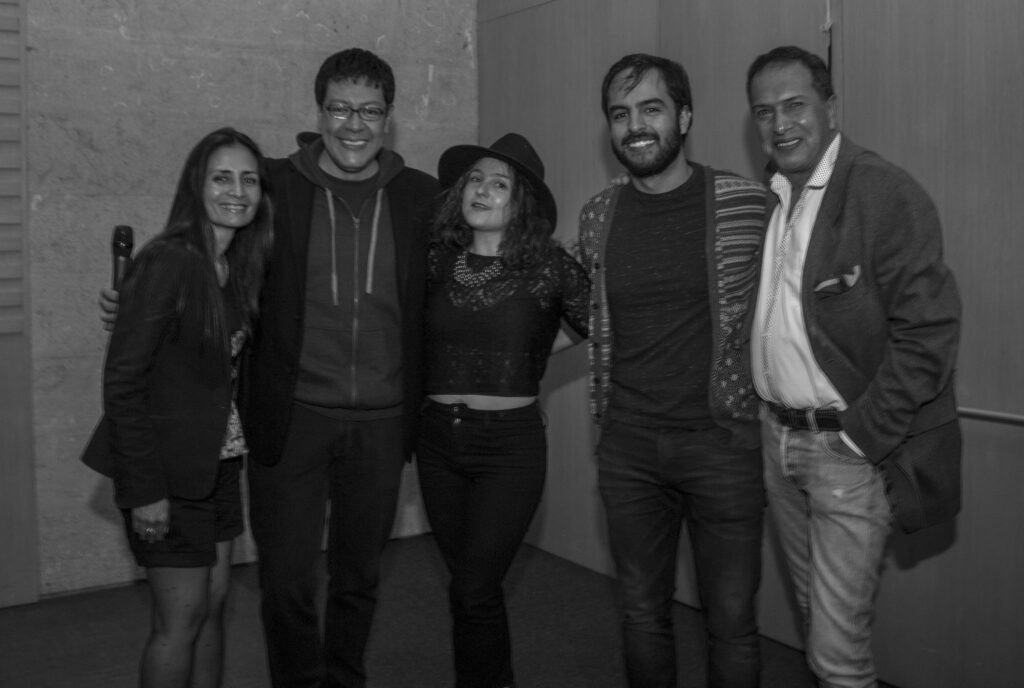
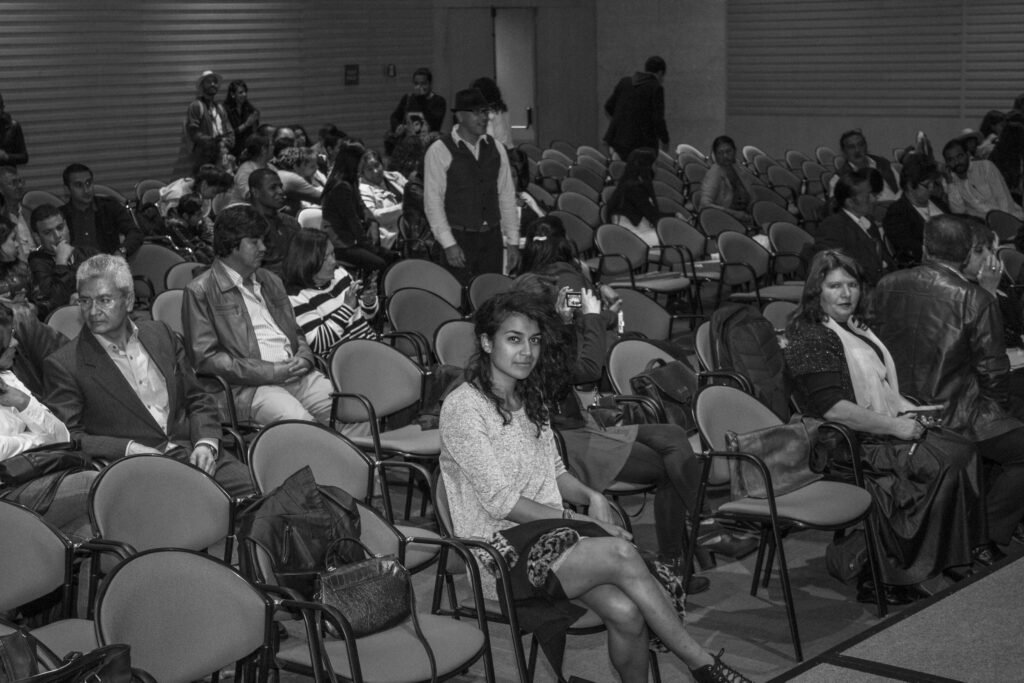
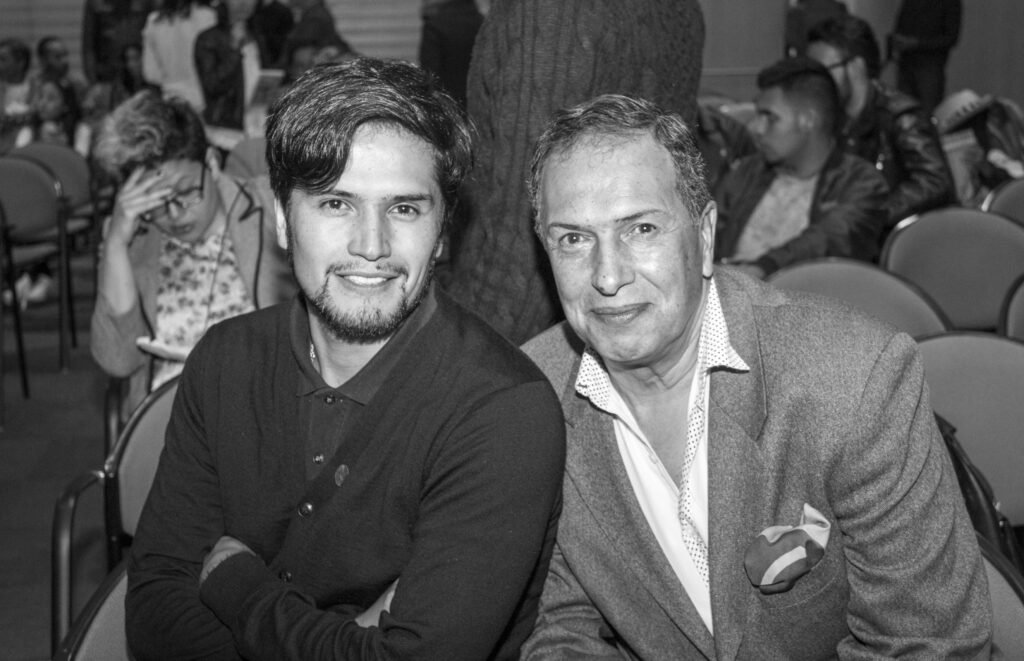
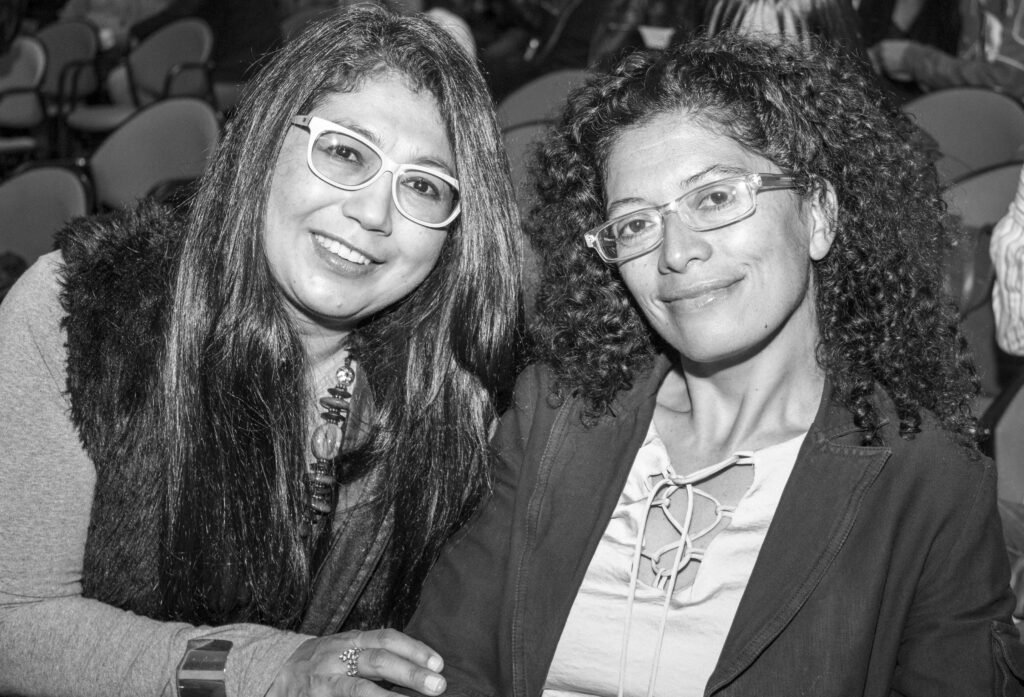
Participation: «Fosa común» (Photography)
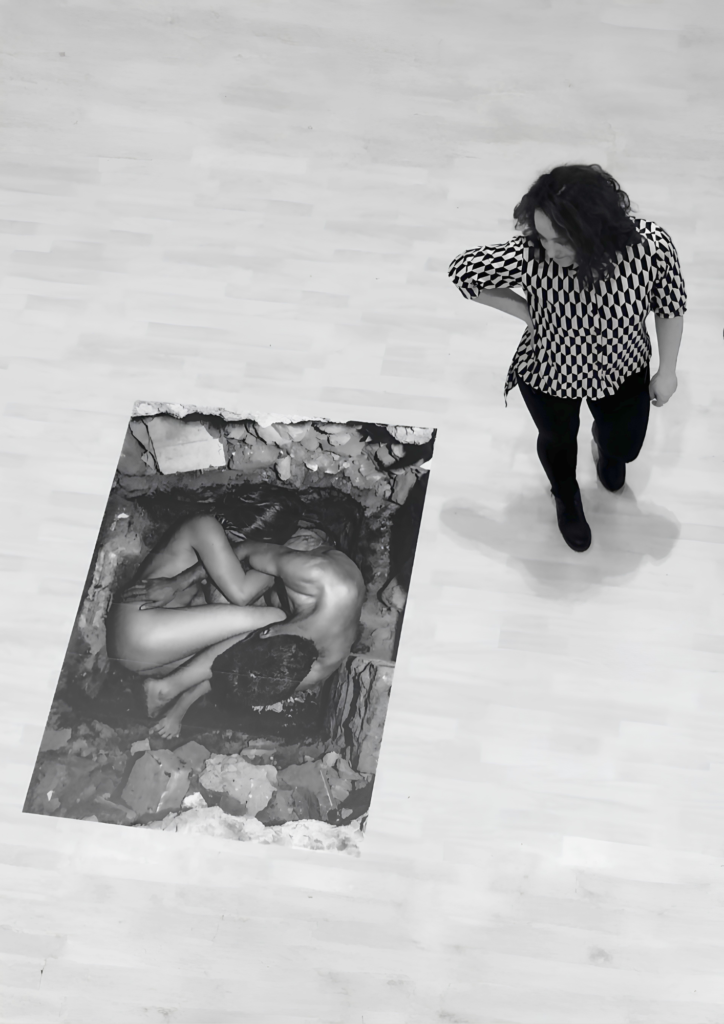
I participated in the group exhibition resulting from this process with the photographic piece «Fosa común» (Common Grave), a work that directly engages with the theme of the call by exploring toxicity, conflict, and the intrinsic violence within the realm of affection.
Text accompanying the piece:
These lovers torture themselves with toxic love and find themselves increasingly buried in a stormy relationship that is difficult to end. «Fosa común» is a small reflection of experiences of love that, in an anecdotal way, speak of true love as something indestructible; yet, when contaminated, it turns into constant suffering for both parties, resulting in relationships with wounds that are hard to heal.
Attachment, vulnerability, violence, lies, jealousy, manipulation, and fear are dangerous behaviors when it comes to loving. These behaviors are what plague lovers who cannot escape the hole they have dug, insisting on remaining intertwined regardless of the wounds caused by the bonds they have woven together.
