
My First Jobs in Italy
When I arrived in Italy, one of my main concerns was finding work. I came from Colombia with experience in costume design and a very specific dream: to work in film, to enter the great Italian theatres, to one day be part of the team at Tirelli, one of the world’s most renowned film costume houses, and to experience Cinecittà from the inside.
Rome opened two unexpected professional paths for me.
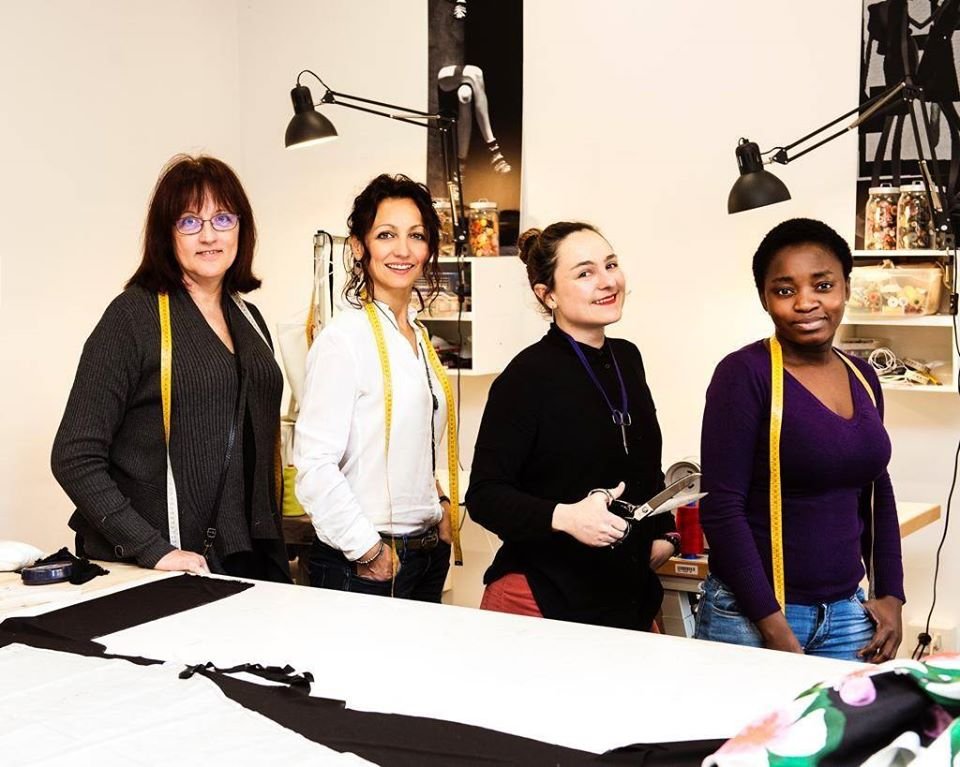
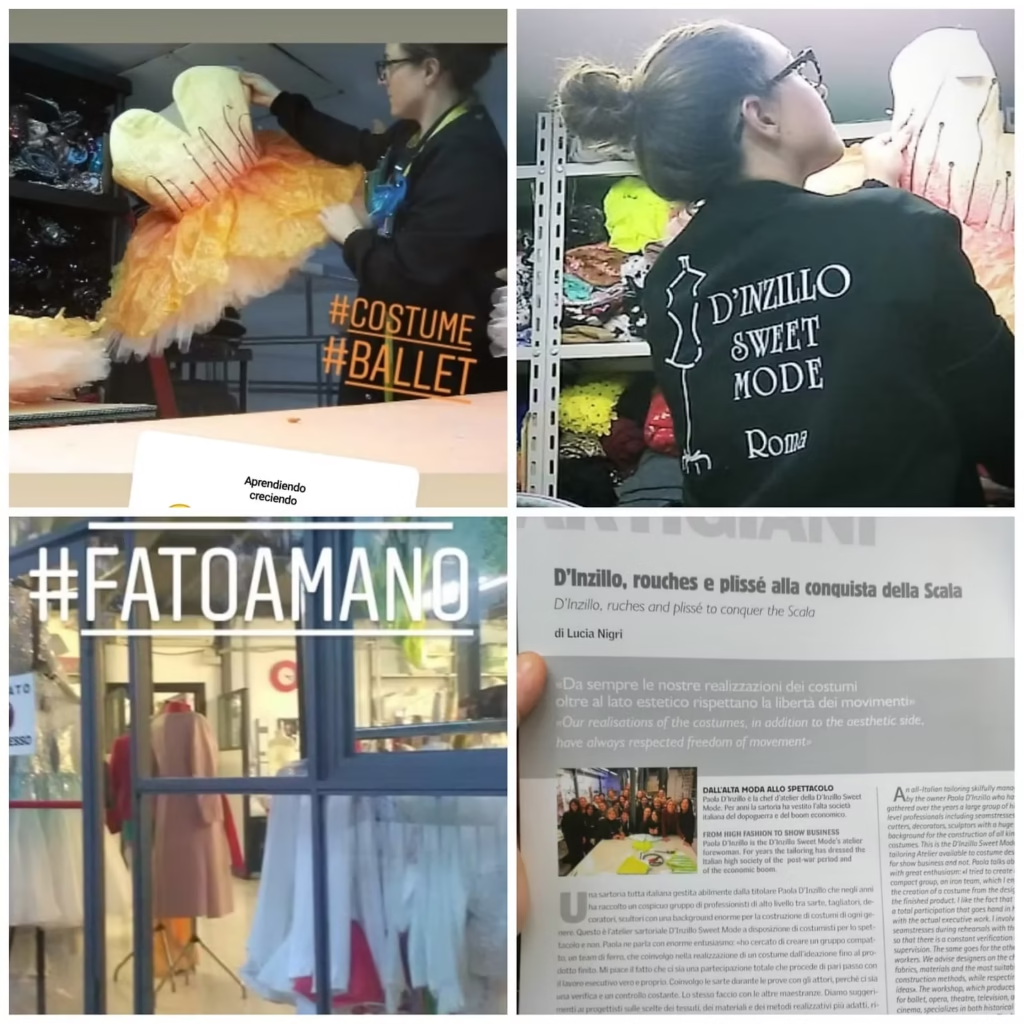
The first was D’Inzillo Sweet Mode, a historic tailoring house specialising in theatre and film costumes. Entering its workshops meant stepping into a world I had known from afar and that had always been part of my dreams: the creation of characters through costume, the great stages, theatre and Italian cinema.
The history of D’Inzillo dates back to 1953, when the family atelier was founded. In the 1970s, it became a theatrical tailoring house, developing a career dedicated to creating costumes for performances and film productions. Its workshops brought together technical expertise, historical research, craftsmanship and an extraordinary attention to detail: each costume had to contribute to the construction of a character and become part of the narrative of the scene.
For me, entering that world meant coming closer, for the first time, to a professional dimension I had imagined from Colombia. I had already worked in costume design, and one of my dreams was to become part of that universe: to work in film, in Italy’s great theatres and, one day, to get closer to a house like Tirelli and to Cinecittà.
I came close.
But the reality of starting a new life in Italy, as a mother and building everything from scratch, made that path difficult to sustain.
At the same time, another opportunity appeared in my path: Lakruna, a social tailoring workshop located in the Pigneto neighbourhood.
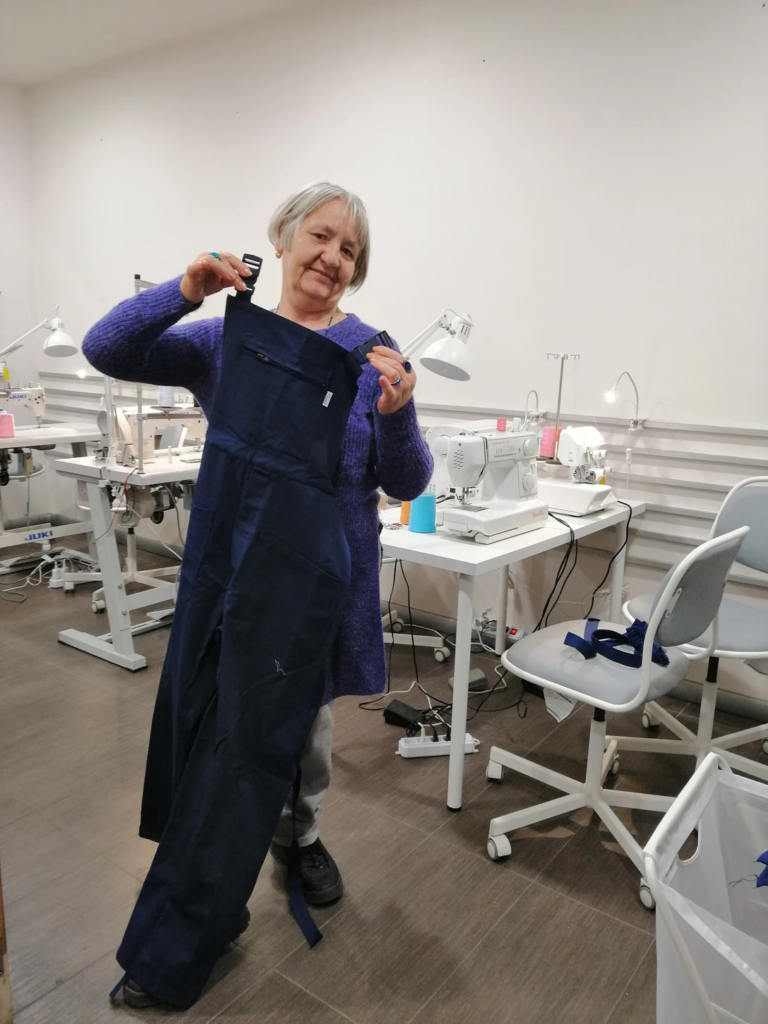
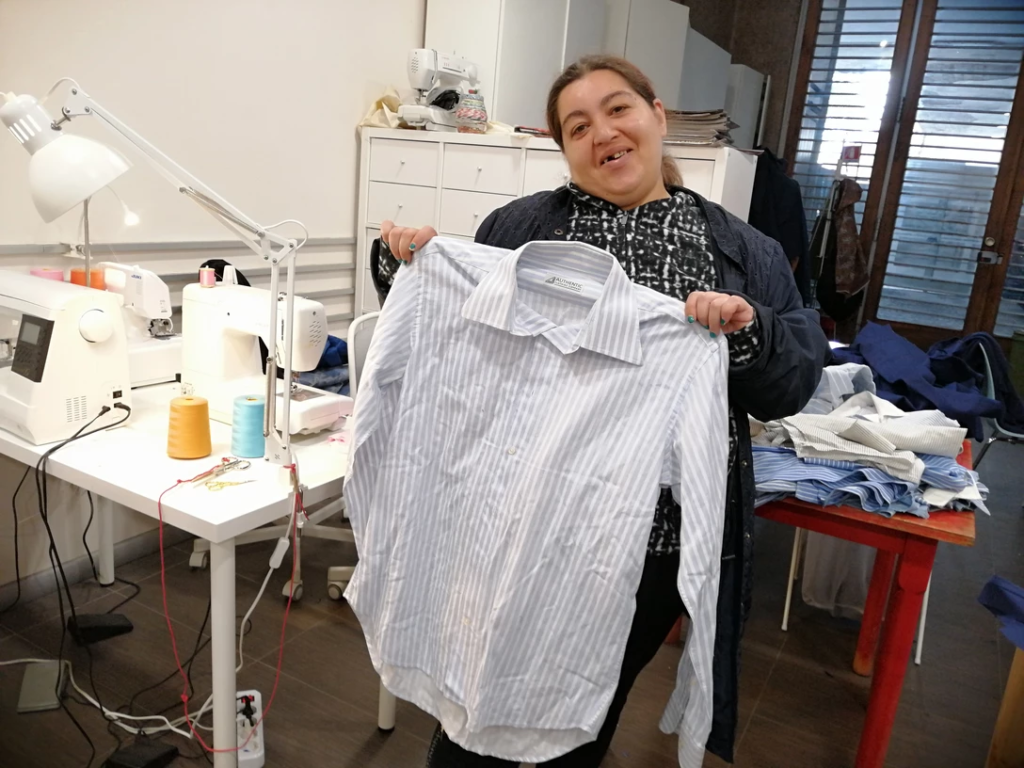
Lakruna was a professional tailoring workshop, but it was also a social project. There, I worked as a pattern maker and designer alongside emerging brands and, above all, with women artisans whose stories and backgrounds were very different from one another. I also had the opportunity to teach sewing to people experiencing homelessness.
It was an experience that transformed the way I understood work.
Tailoring stopped being simply a profession connected to fashion and became a space for encounter. There, I learned that a craft can also be a tool for autonomy, dignity and rebuilding one’s life.
These experiences brought me into contact with people whose life stories existed outside what we often understand as “normal”. Their experiences challenged me to look differently at vulnerability, exclusion and the possibility of starting again.
At Lakruna, I also discovered abilities I did not know I had. Teaching, listening, accompanying others and sharing technical knowledge became just as important as designing or making a garment. It was an experience shaped by compassion, but also by exchange: I was teaching sewing while, at the same time, learning from the people I met there.
Perhaps the most significant part is that, when I decided to migrate, I had already begun developing a fashion project in Colombia with a social purpose. Without knowing it at the time, that concern was already tracing a direction that would reappear years later in my artistic practice.
Looking back now, I see those two paths as more than two different professional experiences. One brought me closer to the world of performance, character creation and sartorial excellence; the other led me towards people, inclusion, shared learning and the social potential of making.
Between the two, without me knowing it at the time, a part of the artist I am today began to take shape.
The relationship between material and body, between making and sharing, between creation and social transformation, did not suddenly appear in my work as an artist. It had begun much earlier, among fabrics, patterns, sewing machines and people who taught me that creating can also be a way of relating to the world.
This is a small part of that memory.
Between the two, without me knowing it at the time, a part of the artist I am today began to take shape.
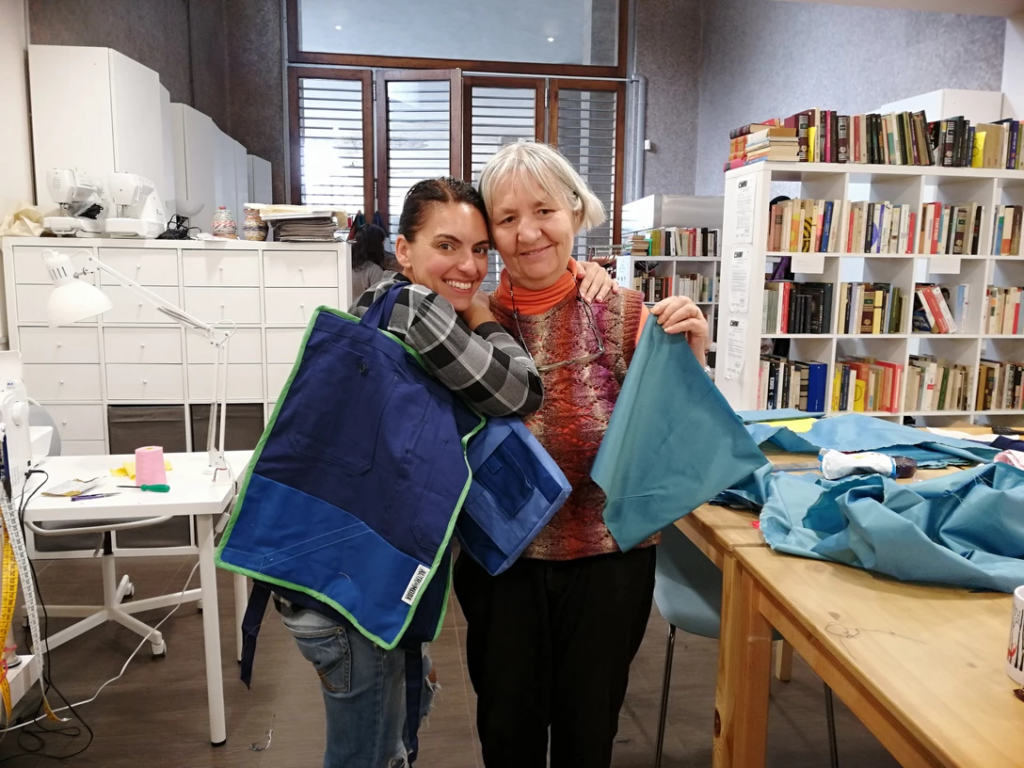
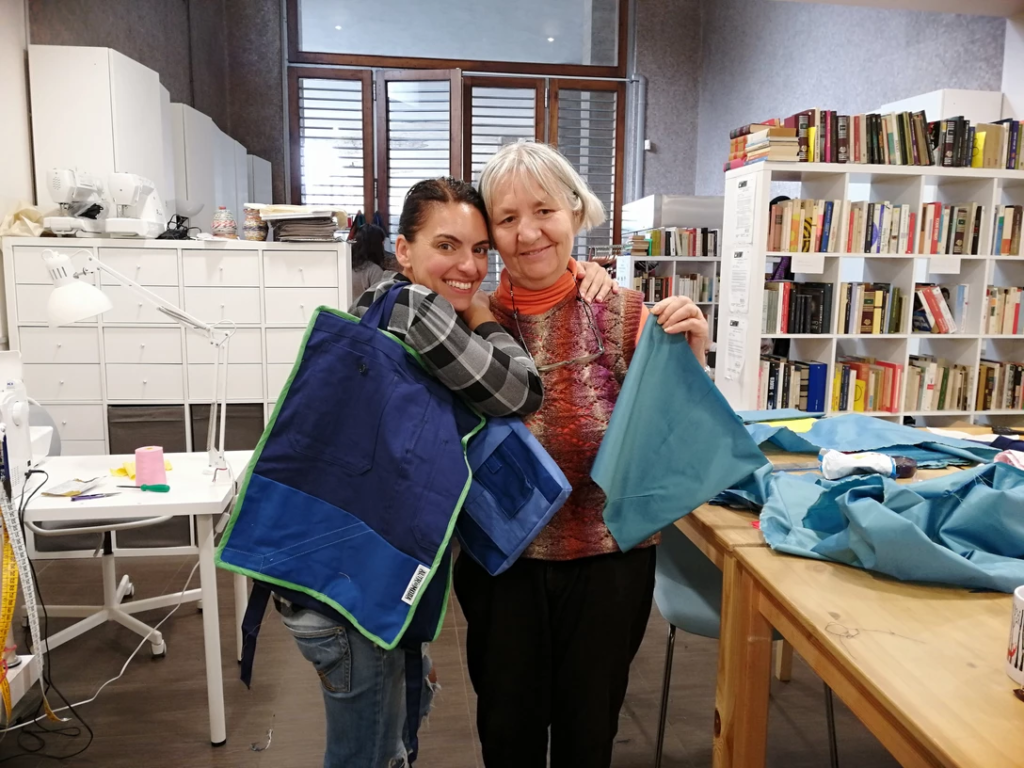
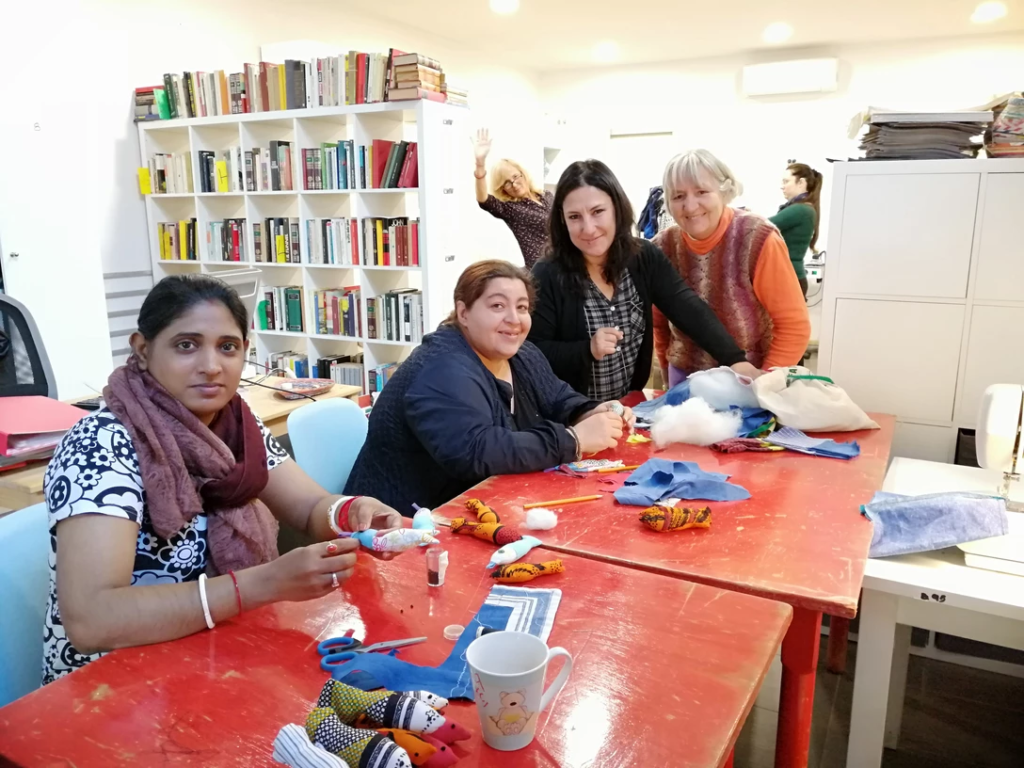
24 June 2019. From distributing sandwiches in the square outside Roma Termini Station to the creation of the national network of Help Centers, from the street tailoring workshop to the social gardens of Villaggio 95 in Casal Bertone. A 30-year journey through the history of solidarity, woven with passion and expertise around people in vulnerable situations, by the staff of Binario 95 and the Roma Termini Social Hub.
I appear in the video at approximately 5:23.