
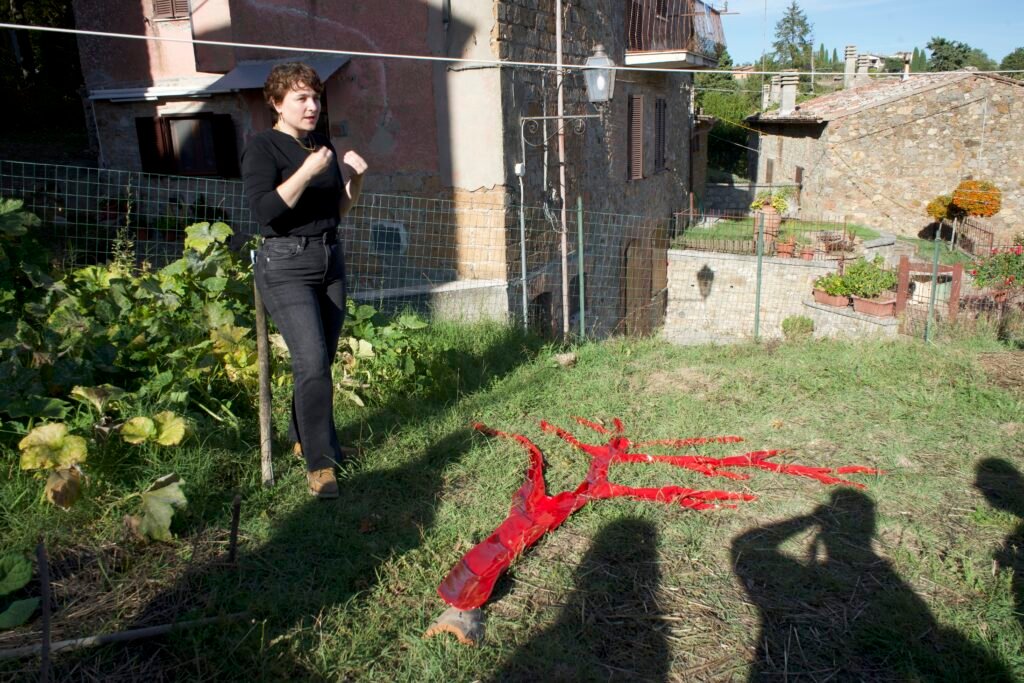
SPAC! — Bodies of Water, Wounded Bodies
On Gender-Based Violence, Bodies of Water, and Structures of Domination
SPAC! — People’s Space for Collective Learning
Ficulle, Umbria — September 2026
From Blood to River
When I received the invitation to participate in SPAC!, a multidisciplinary residency dedicated to water and the environmental issues surrounding it, the first image that came to mind was a river and the human circulatory system. I thought about blood, composed largely of water, circulating through our bodies and carrying oxygen and nutrients. I thought about rivers, flowing across territories, nourishing ecosystems, and sustaining countless forms of life. Two systems of circulation and nourishment, both deeply connected to our existence.
For years, my artistic research has explored issues related to gender-based violence and femicide. From this perspective, thinking about blood also means thinking about the blood spilled as a consequence of violence against women. Blood that should continue circulating through living bodies, but is instead shed as a result of relationships marked by domination, possession, and control. This image also led me to reflect on our relationship with water, a relationship of absolute dependence and, at the same time, profound destruction.
What is the relationship between violence against women’s bodies and the violence we inflict upon bodies of water?
What mechanisms of appropriation and domination might they share?
How have we come to destroy the very things that make our existence possible?
These questions became the starting point for my artistic proposal at SPAC!. Rather than establishing a direct equivalence between these forms of violence, I wanted to investigate their possible connections and explore how far this initial intuition could develop.
Water as a Territory of Investigation
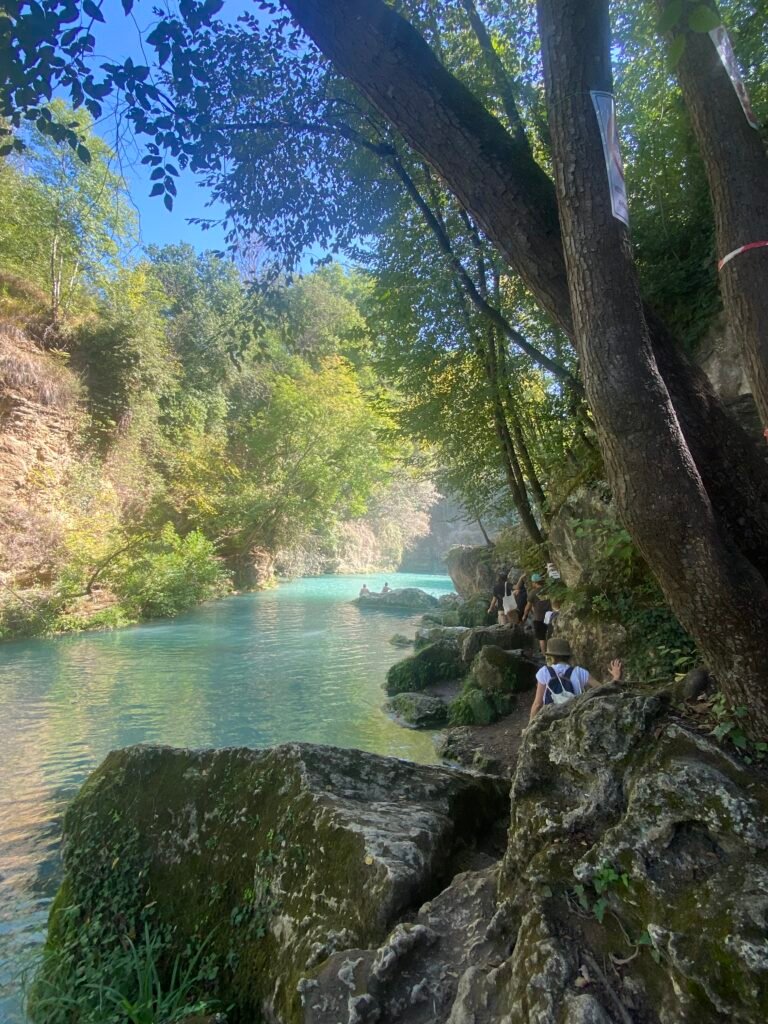
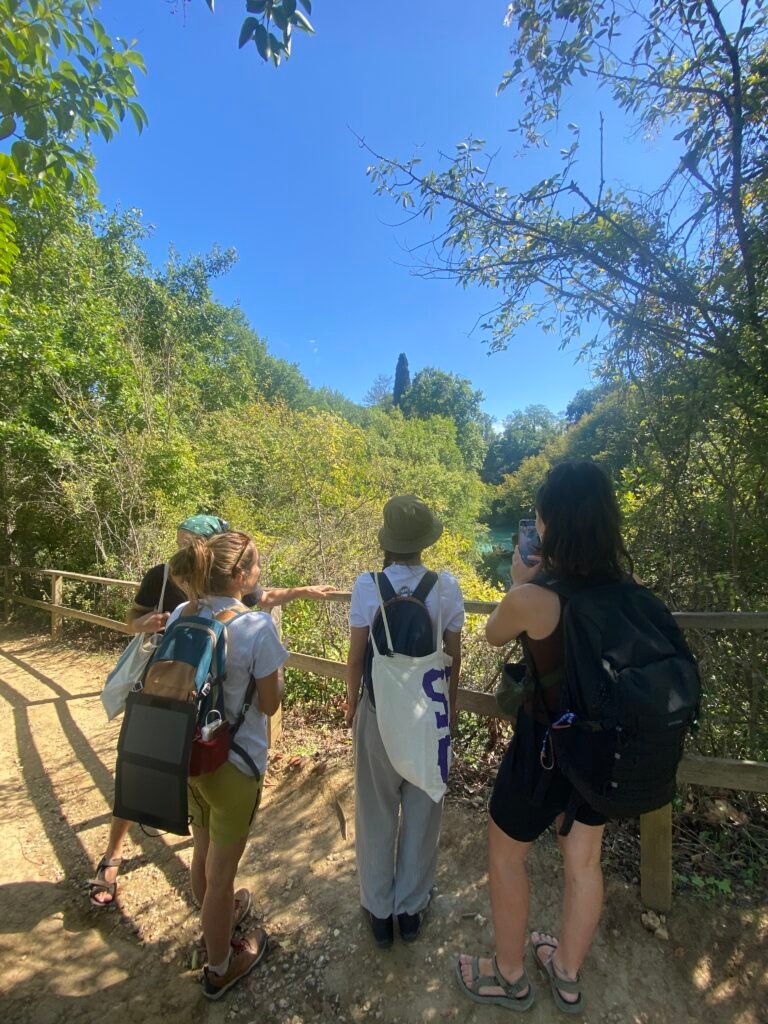
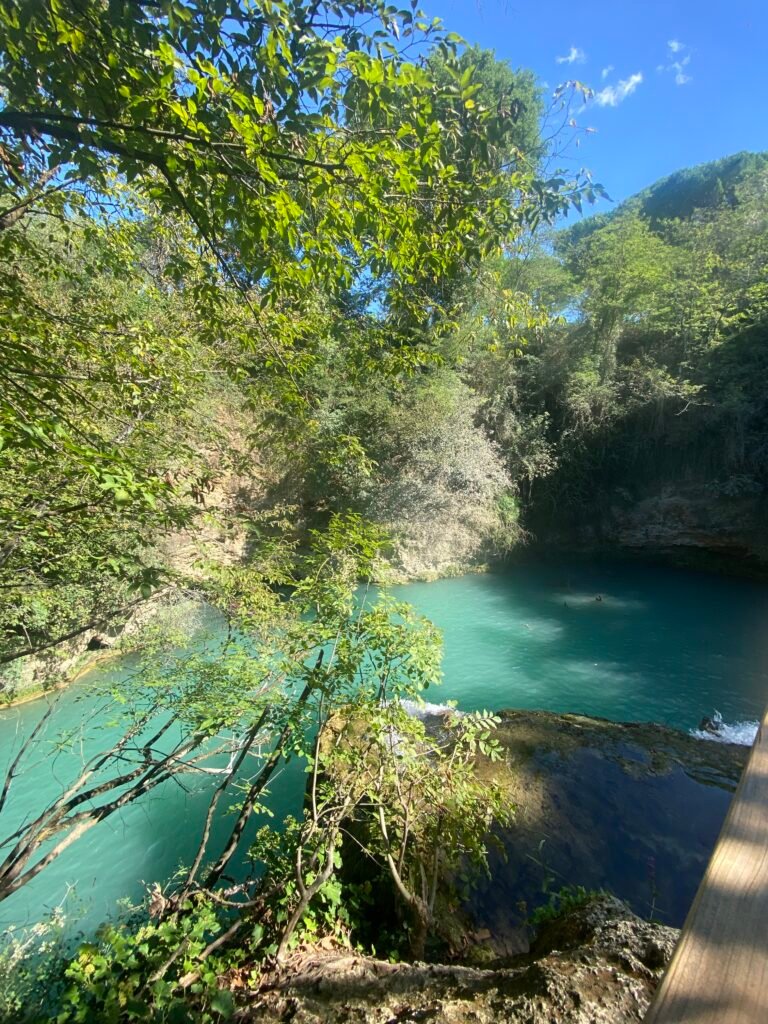
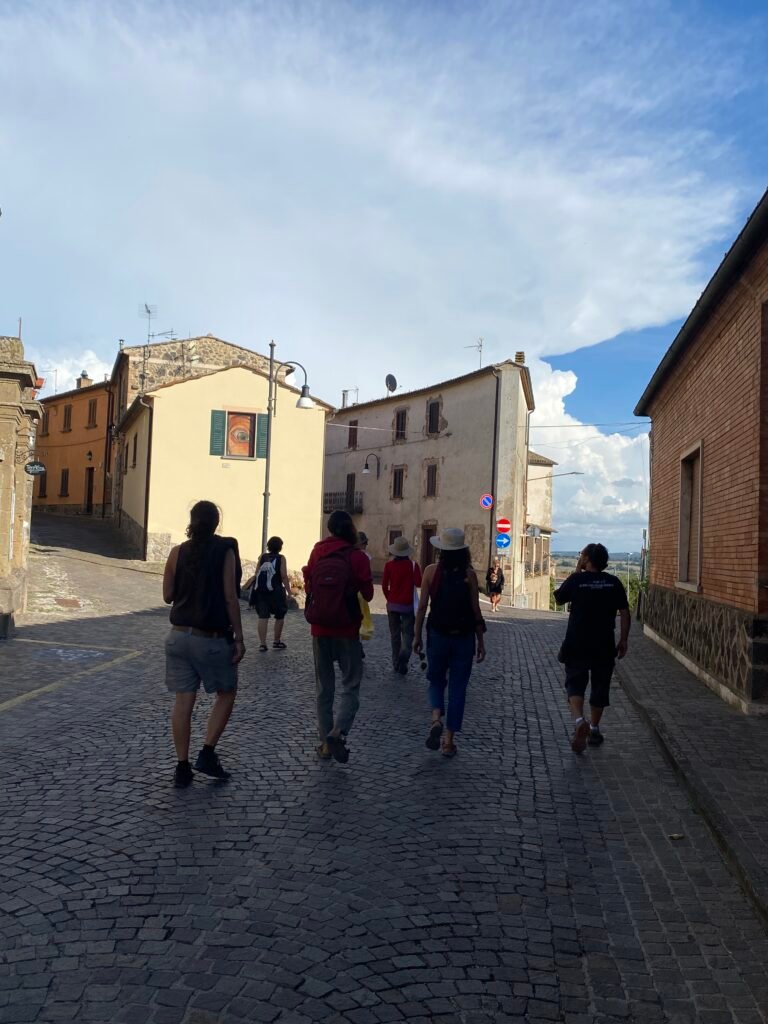
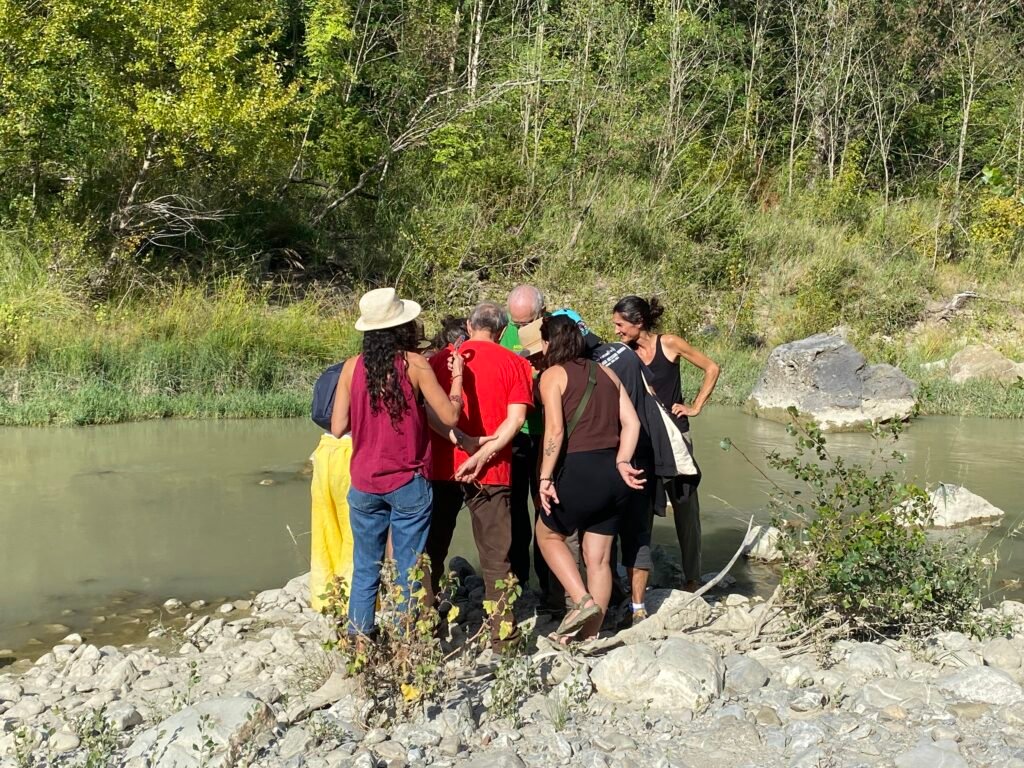
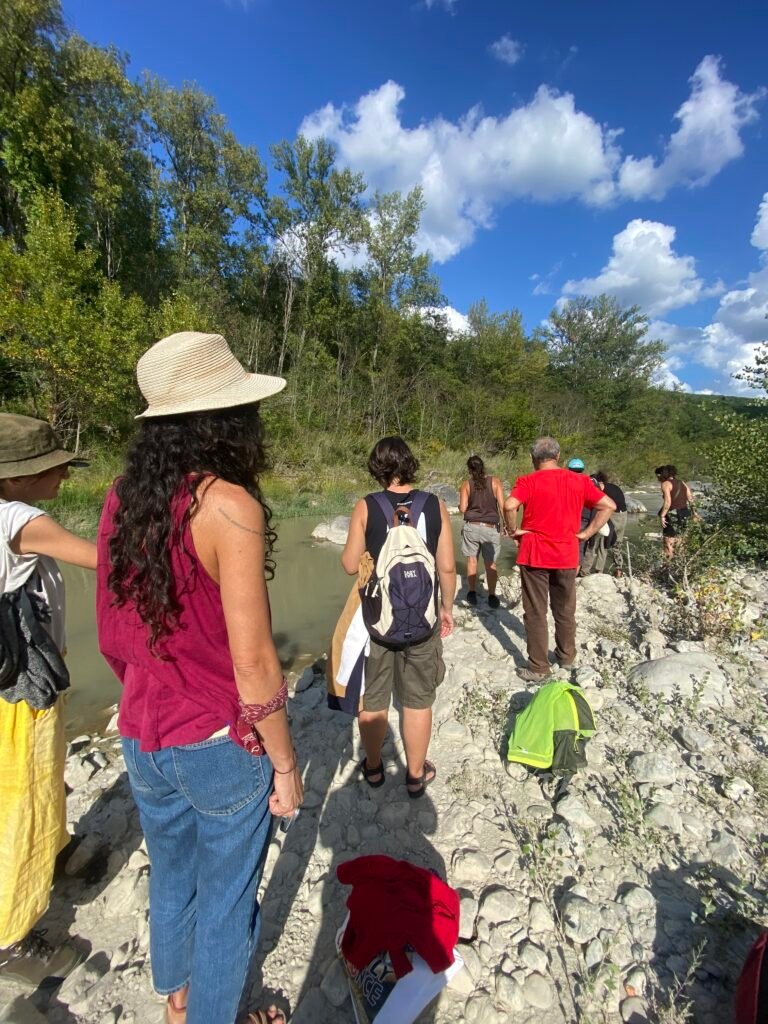
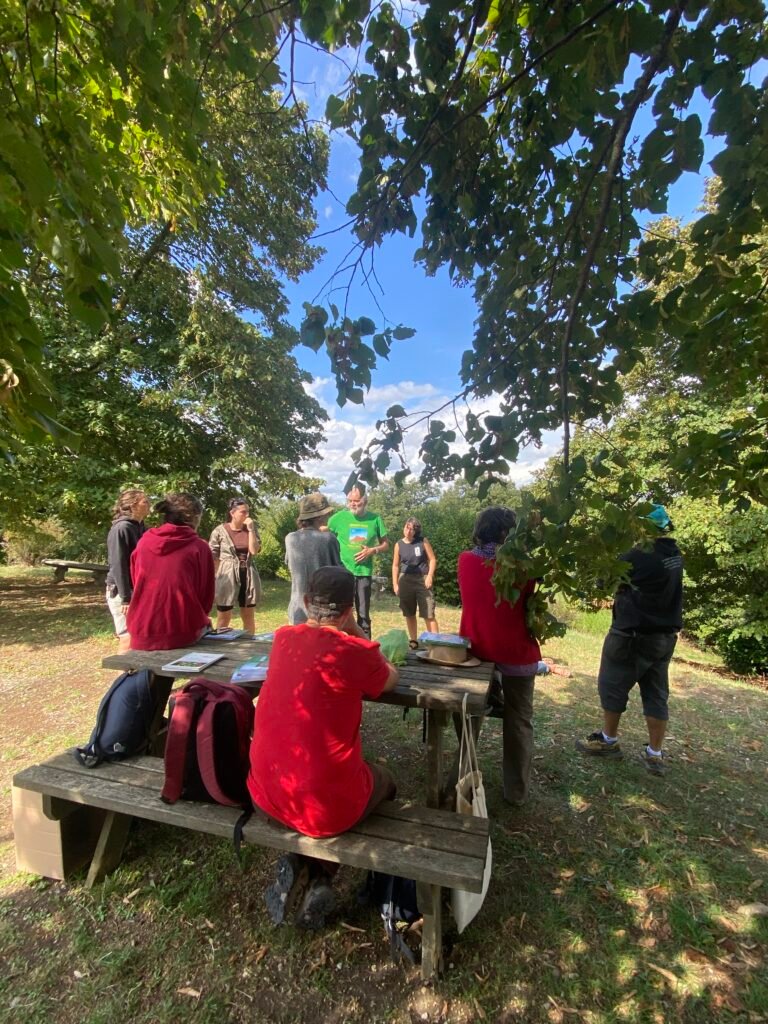
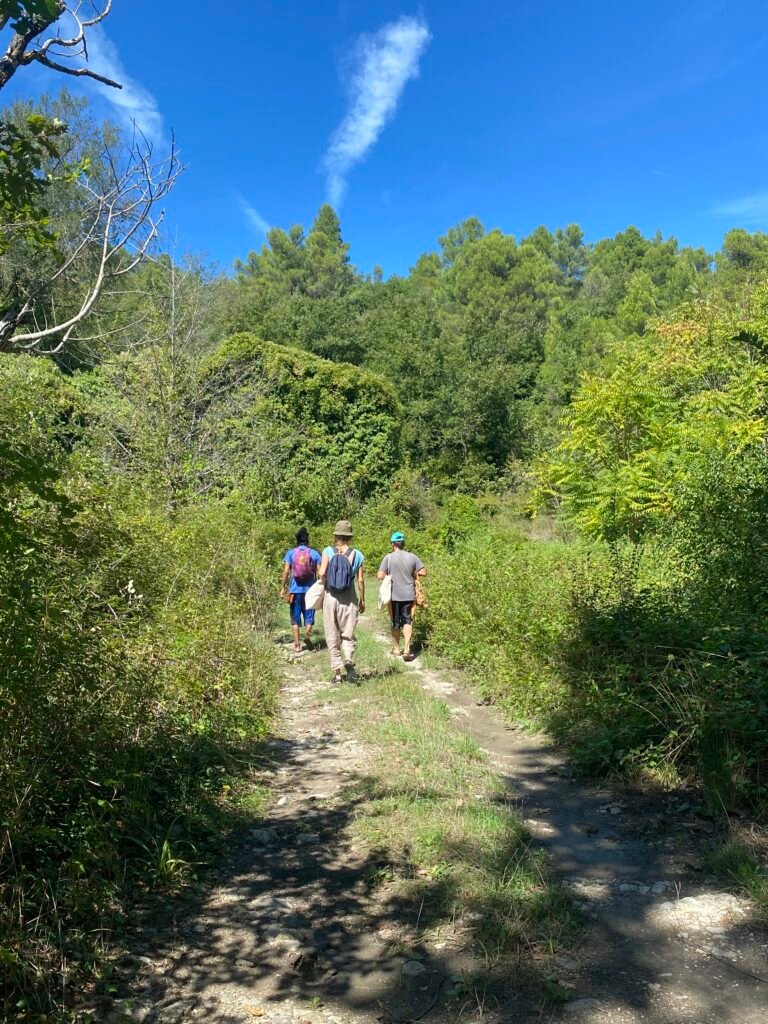
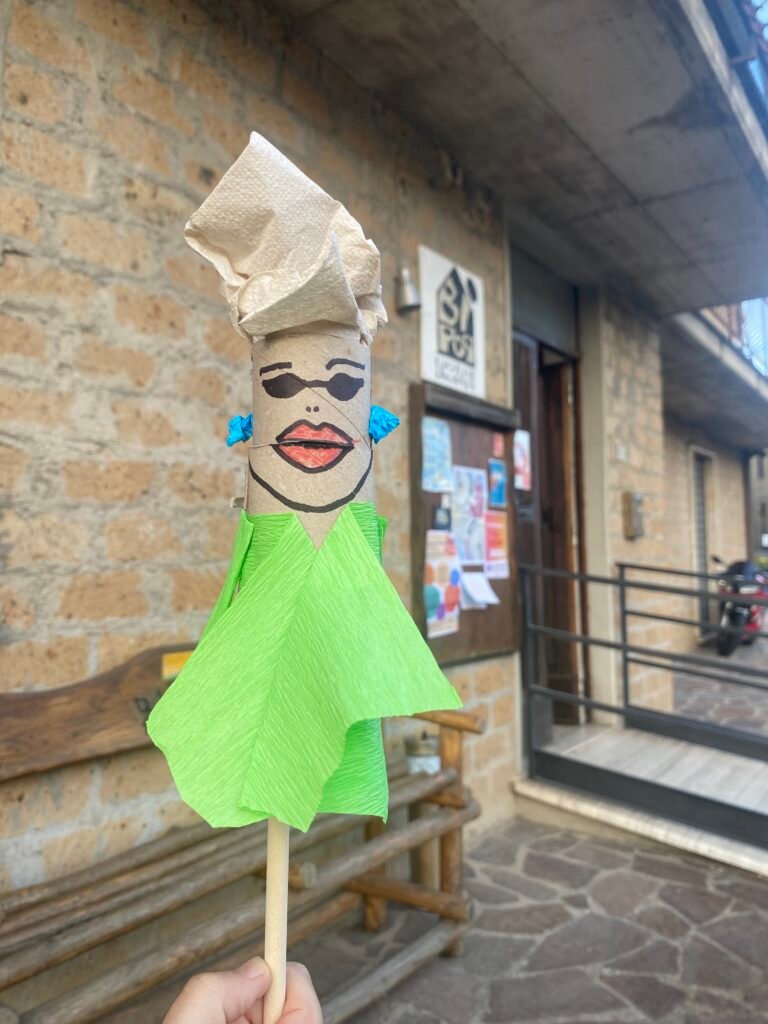
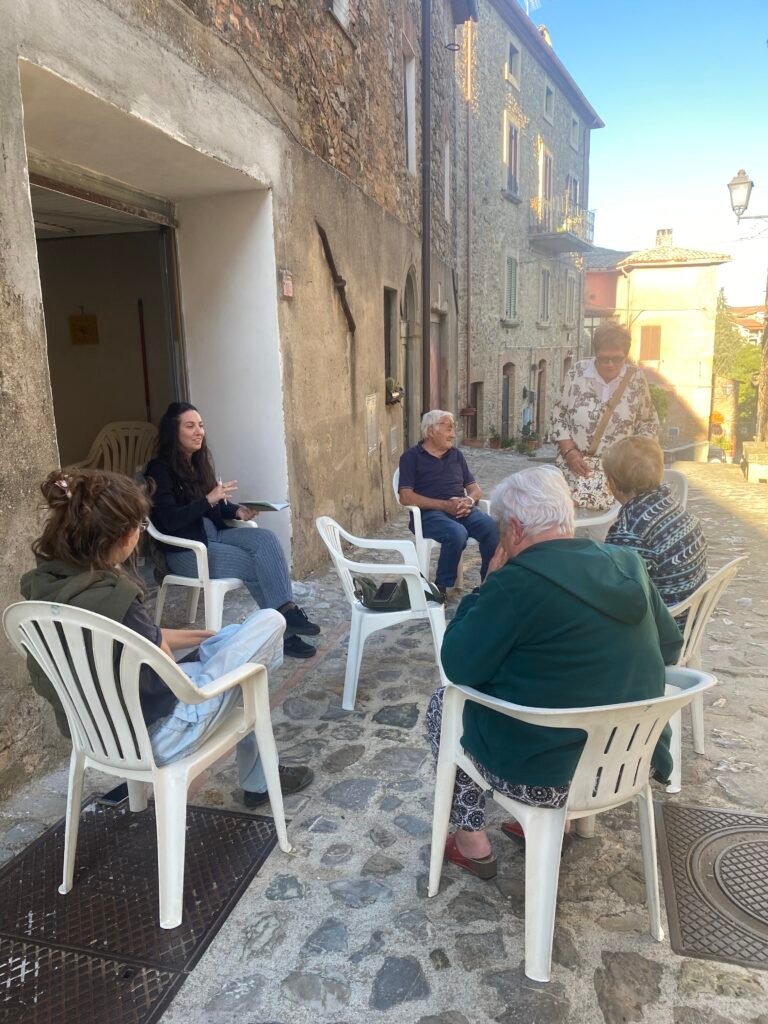
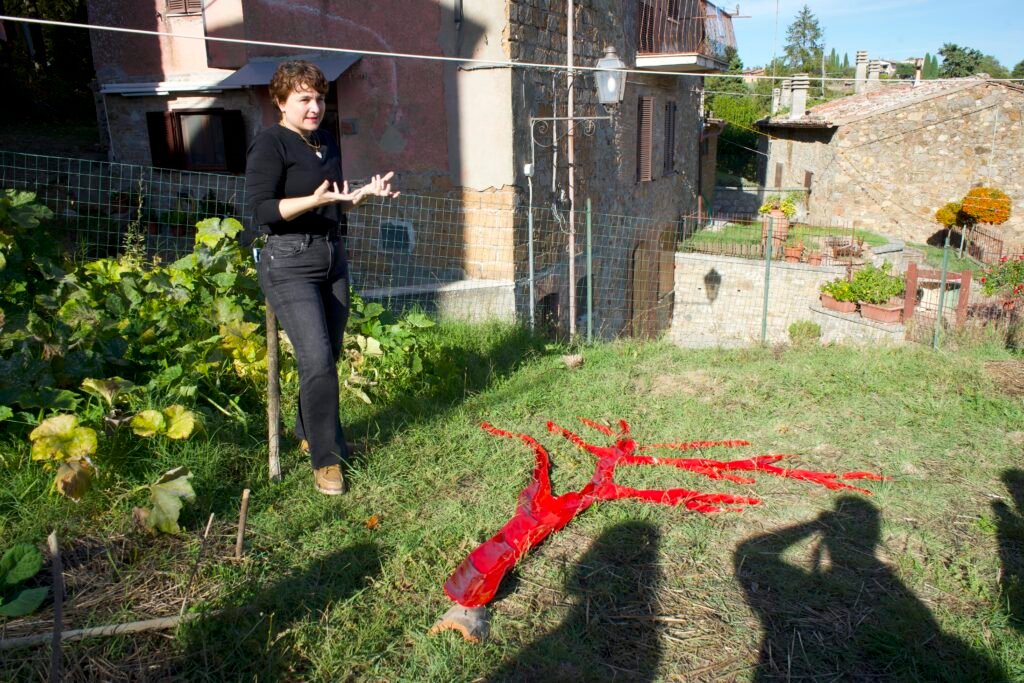
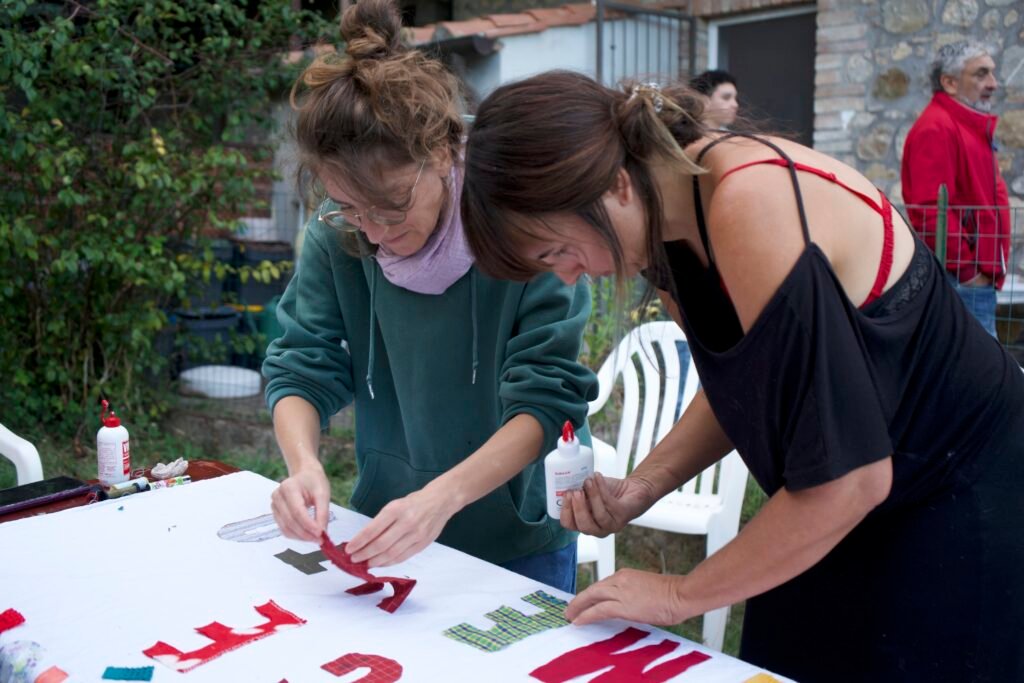
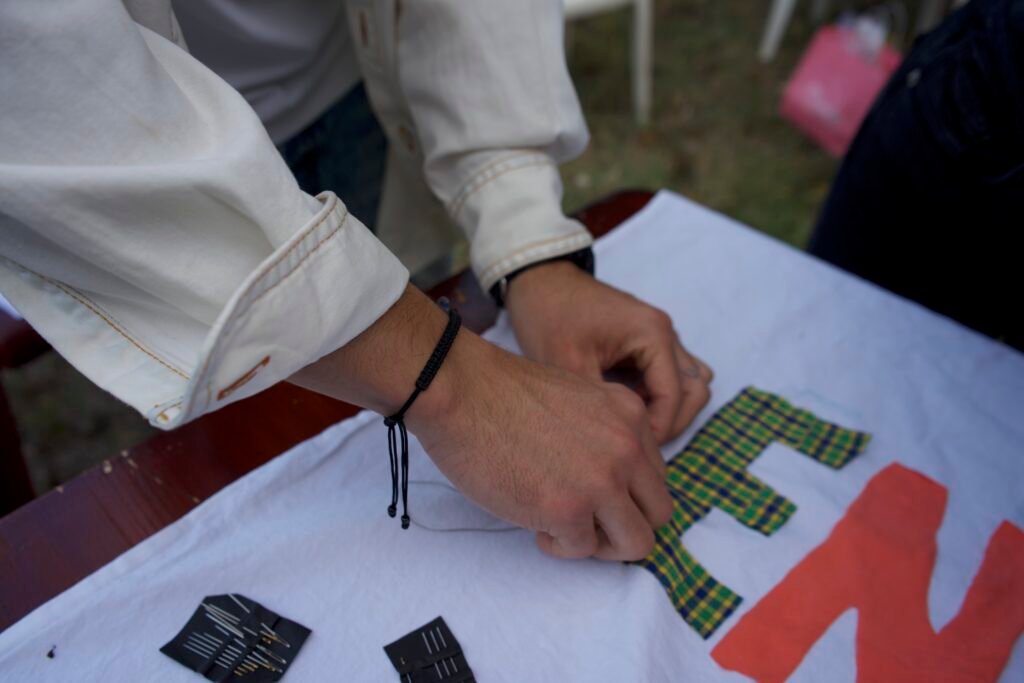
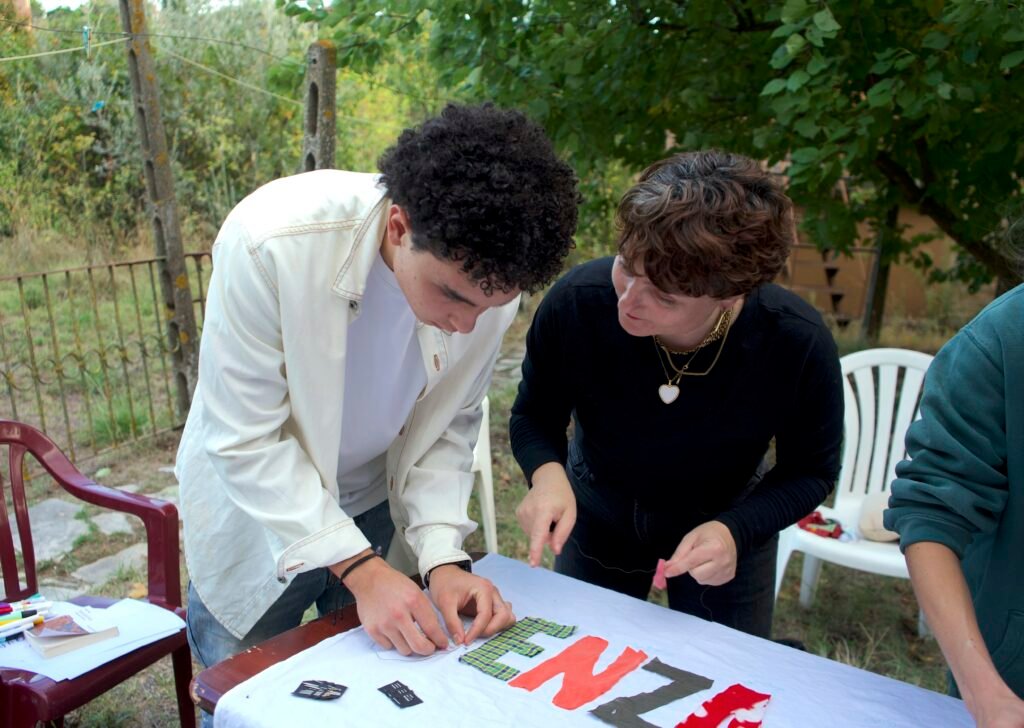
I arrived in Ficulle on September 10, 2026. Filippo and Hélène welcomed us to SPAC!, a space dedicated to collective learning, where living together, exchanging knowledge, and caring for one another are integral parts of the working methodology. The residency proposed approaching water through different disciplines and experiences, allowing us to engage with the subject through explorations of the territory, meetings with local associations, artistic practices, screenings, conversations, and community activities.
During one of our first encounters, we met Luis, a Mexican puppeteer involved with Barrio Bravo, a grassroots community gym in San Cristóbal de Las Casas, Chiapas. Luis joined the residency to share his experience, lead a puppet-making workshop, and raise funds to support the community project. His contribution also introduced us to the water crisis in San Cristóbal de Las Casas, where river pollution, wetland degradation, urban expansion, and difficulties in water supply reveal the contradictions between the availability of natural resources and actual access to water.
A particularly significant part of the residency was our exploration of the Val di Paglia territory and the community initiatives seeking to rebuild the relationship between its inhabitants and the river. The Paglia River has a history marked by human intervention and environmental transformation. In November 2012, an extraordinary flood caused extensive damage in the Orvieto area, exposing the vulnerability of urbanized areas near its banks. Learning about this history helped us understand how relationships between communities and rivers are also shaped by memories of disasters, decisions about land use, and different approaches to environmental risk management.
In this context, we became acquainted with the work of Val di Paglia Bene Comune and its proposal for the Parco del Paglia, an environmental and social regeneration project that seeks to restore the river to a central place in community life. The initiative aims to recover river spaces, support their conservation, and create new opportunities for people to reconnect with the territory.
One of the discussions was organized and moderated by Giulia, another resident and environmental engineer, who was particularly interested in learning from this experience to explore ways of bringing communities in Molise closer to the rivers of their own region. The meeting with Enrico Petrangeli, from Val di Paglia Bene Comune, offered an opportunity to examine participatory processes, the challenges facing the river, and the possibilities of developing environmental projects through community involvement.
During another excursion along the upper Paglia, Gianluca Forti, from the Museo Naturalistico del Fiore, introduced us to the observation of organisms inhabiting river ecosystems. Through animals, insects, and other forms of life found in these environments, he showed us how biodiversity can provide information about the ecological condition of a river. I found this approach particularly interesting because it allowed us to understand water beyond its visible characteristics. A river’s health does not depend solely on whether the water appears clean, but also on the complex relationships between organisms, the physical conditions of the environment, and the transformations affecting the ecosystem.
The excursion to the Elsa River, together with Pietro Centorrino from Scienza Radicata and Elena, a local activist, expanded this experience through a participatory science approach. We learned about some of the river’s distinctive characteristics and carried out a small exploratory test to observe the condition of the water, becoming familiar with research tools that can be shared with people without specialized scientific training.
Beyond the specific knowledge acquired, I was particularly interested in the collective dimension of these encounters. The activities were open to the community, allowing the residency to connect with people from the surrounding territory and generate new opportunities for exchange. It was not simply about listening to those working in environmental protection, but about sharing questions, comparing experiences, and recognizing the knowledge that already exists within communities themselves.
During the Permaculture Festival in Bolsena, we listened to Lorenzo Costa’s reflections on the history of water, its management, and sustainable alternatives for its collection and use. These discussions raised another fundamental question: how have our ways of inhabiting and transforming the territory altered natural water cycles, and what possibilities exist for establishing less destructive relationships with them?
Throughout these experiences, I became increasingly aware of the extent to which water permeates practically every dimension of our existence, not only as an indispensable biological element, but also as part of the economic, agricultural, political, cultural, and social systems that organize our lives. Water sustains food production, enables transportation, defines borders, plays a role in industrial and technological processes, shapes human settlements, and has occupied a central place in the worldviews of numerous cultures. Its availability and control are also deeply connected to the distribution of power. Yet despite its importance, we continue to treat water as an apparently unlimited resource, subjected to the demands of an economic model based on extraction, production, and consumption.
La Fiume, la Nostra Sangue — A River of Clay
The work I began developing during SPAC!, La Fiume, la Nostra Sangue (The River, Our Blood), originated from that first image of the river and blood. The title deliberately transforms the Italian words fiume (river) and sangue (blood), traditionally masculine nouns, into feminine forms. This linguistic shift is part of the research itself, questioning how language, gender, and our perception of bodies are constructed.
I chose to work with clay, a material I have only recently begun incorporating into my artistic practice and whose relationship with water is particularly meaningful to this investigation. Clay is the result of geological processes of transformation and sedimentation. Its behavior depends on the presence of water, which makes it possible to reshape, model, and construct new forms.
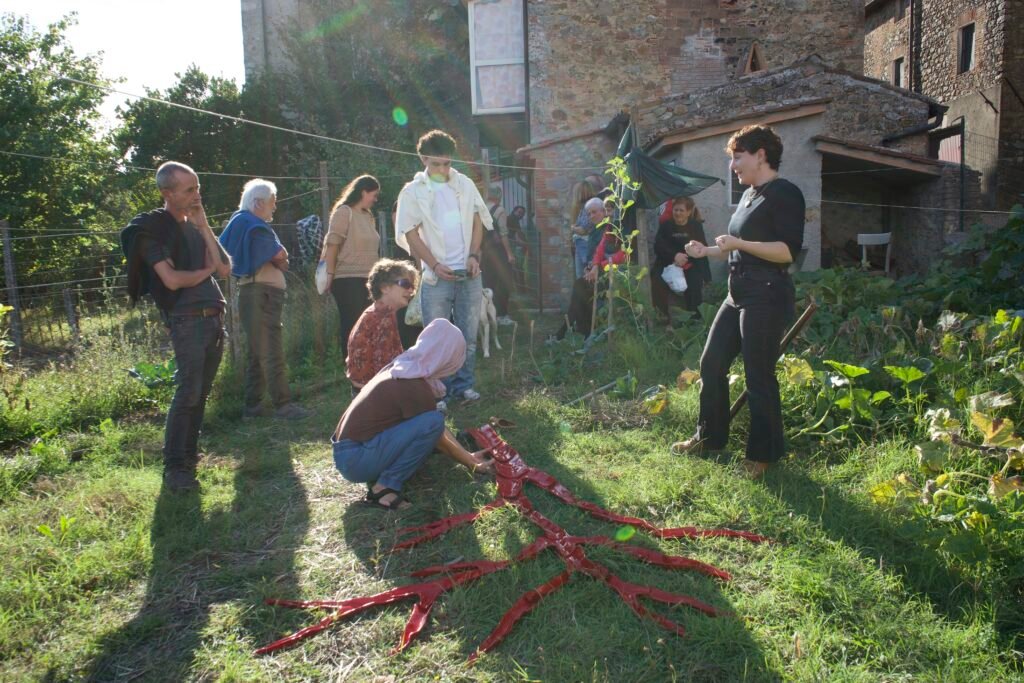
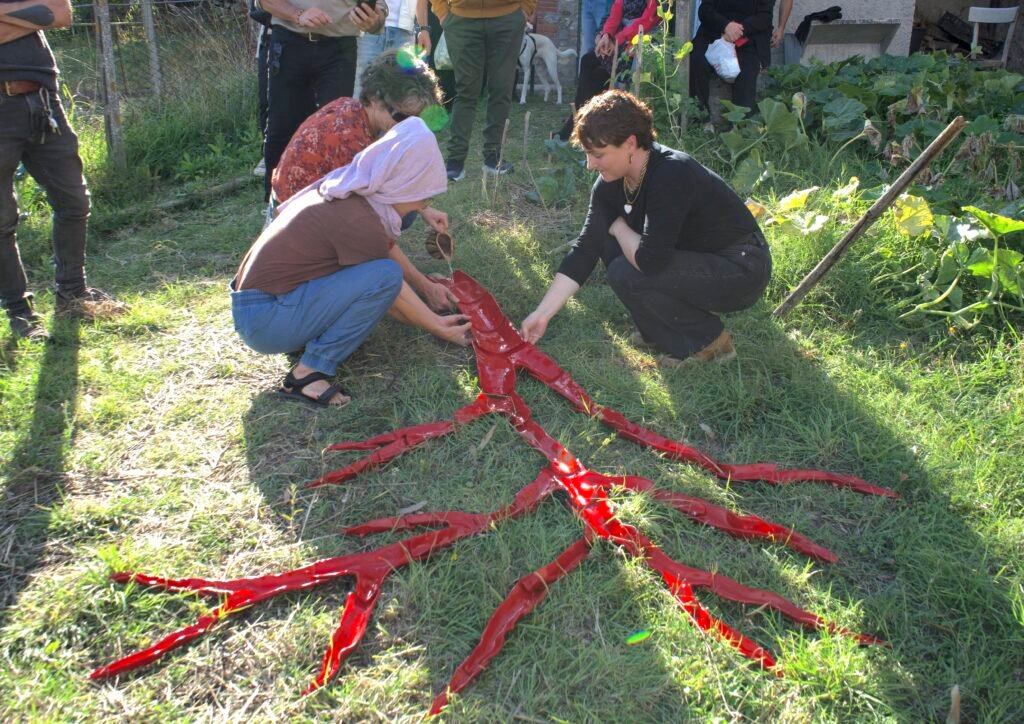
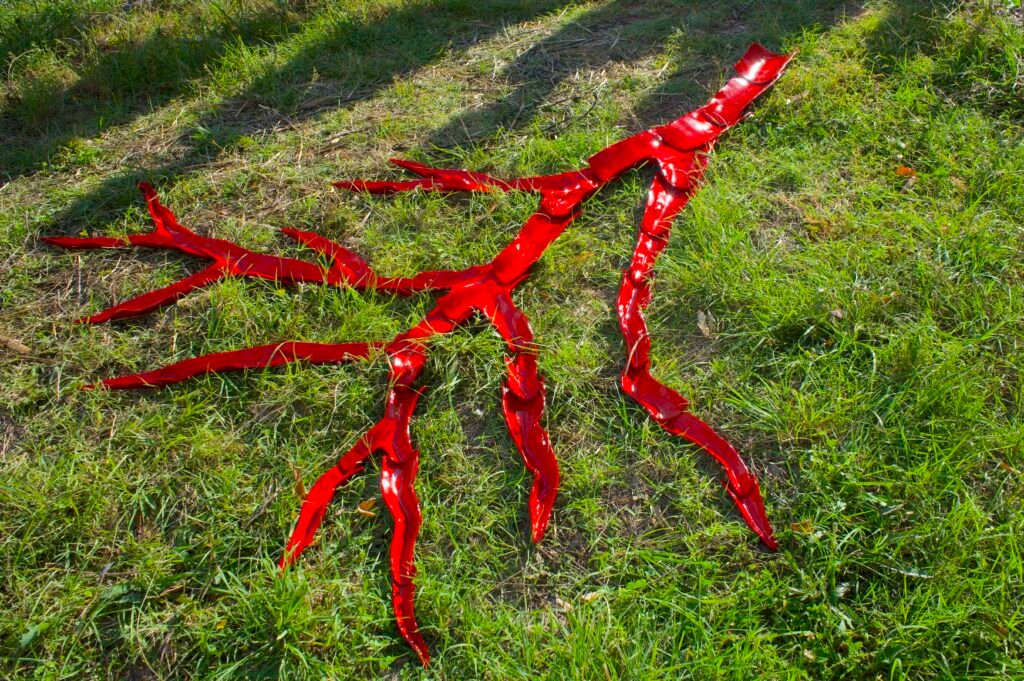
The piece consists of a structure made of 35 clay segments, resembling overlapping roof tiles that together form a kind of riverbed. The intention is for water to flow through the different parts, creating a system of circulation. I am interested in the tension between fragmentation and continuity: a body constructed from independent elements that must connect with one another to allow the movement of water.
The creation of the pieces involved other residents, turning the process into a collective experience of learning, experimentation, and sharing technical knowledge. The clay elements were fired at Fornace Bernasconi, in Castel Viscardo, a traditional artisan workshop specializing in handmade terracotta bricks. This stage connected contemporary artistic experimentation with craftsmanship deeply rooted in the territory, bringing together technical knowledge, manual experience, and the transformation of matter through fire.
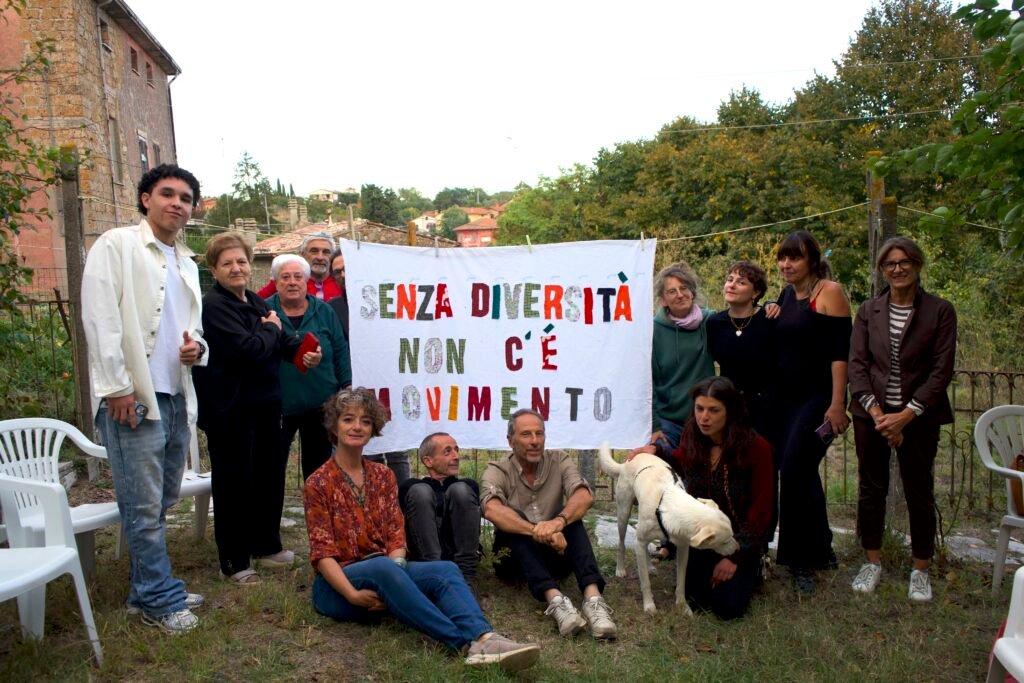
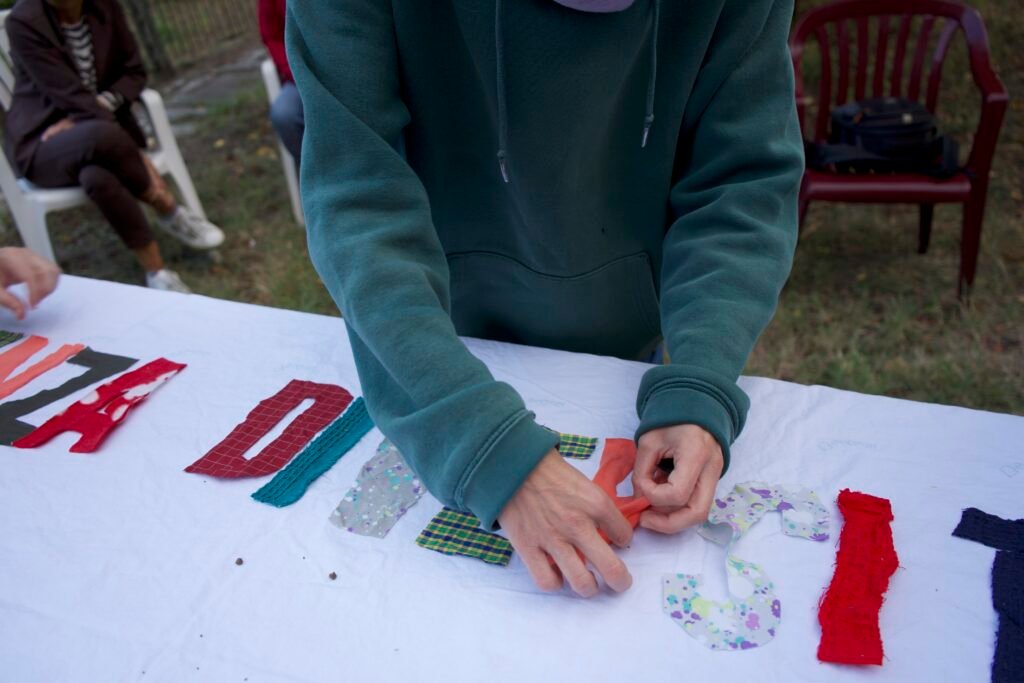
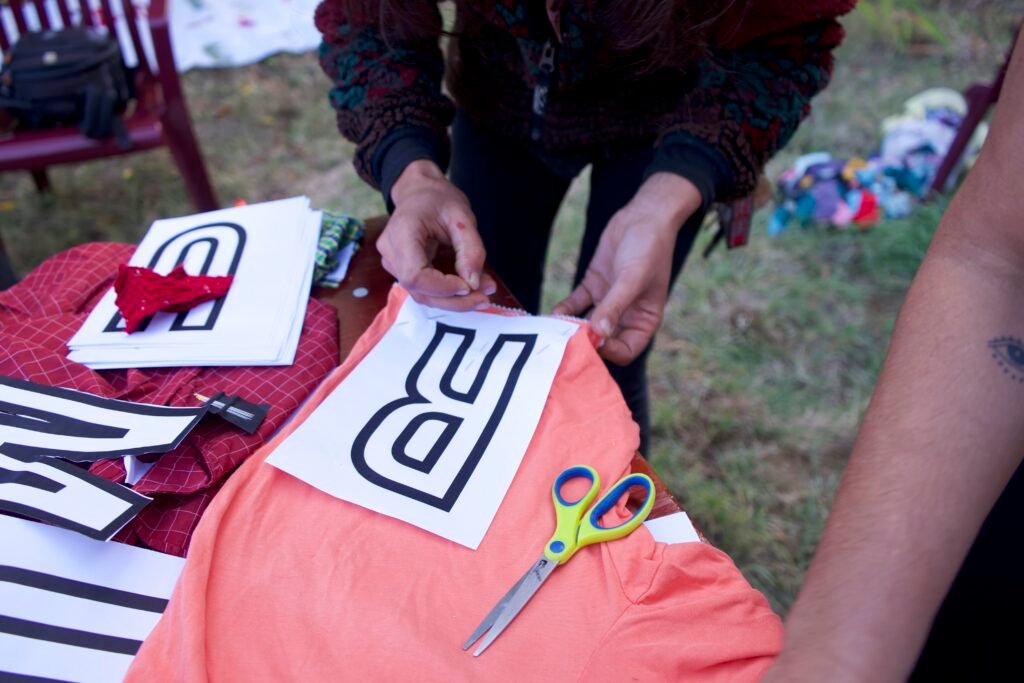
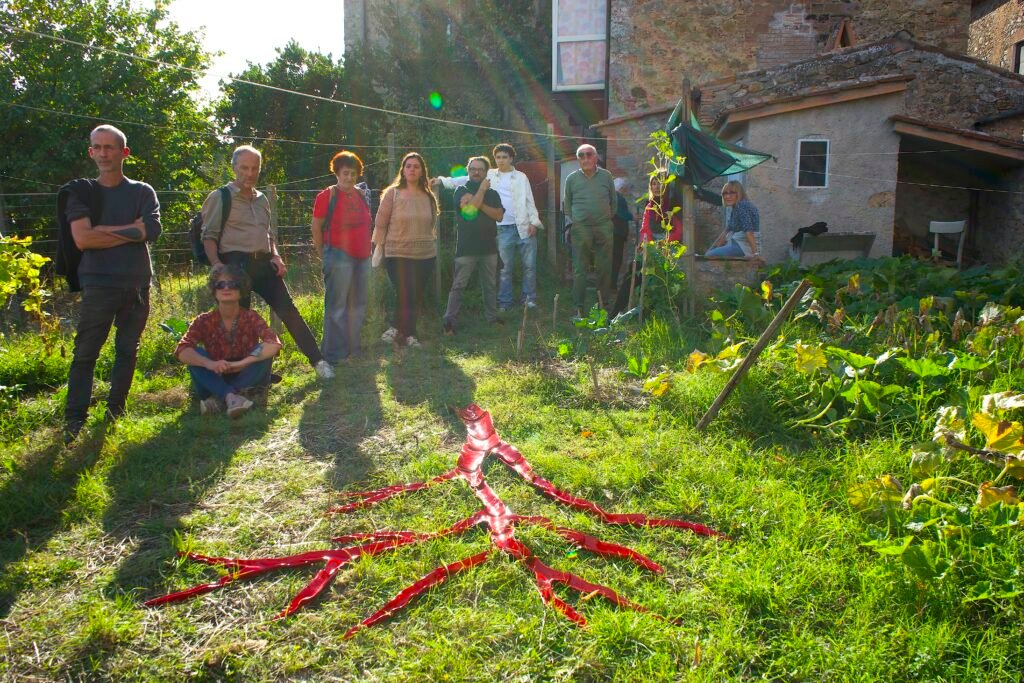
The final presentation of the artistic process took place in a vegetable garden, a particularly meaningful setting in relation to the themes explored during the residency: the relationship between earth, water, nourishment, and practices of care. For this presentation, we also collectively created a manifesto on fabric, an additional element of shared expression that accompanied the artwork.
Choosing to present the work in a vegetable garden rather than a conventional exhibition space allowed the research to return to an environment where the relationships between water, soil, cultivation, and everyday life are directly present. The final presentation did not represent the conclusion of the research, but rather a moment of sharing an ongoing process, in which the individual dimension of artistic practice became intertwined with collective experience.
La Fiume, la Nostra Sangue remains a work in progress, both in its structure and in the questions that have accompanied its creation.
Rivers as Geographies of Violence
During the residency, I undertook a preliminary exploration of some of the planet’s major river systems, focusing on their historical significance, environmental conditions, and the relationships between water, communities, and gender-based violence. Major rivers have been fundamental to the development of civilizations, agriculture, trade, and the organization of territories. Yet they are also spaces marked by political conflicts, economic inequalities, migration processes, and disputes over the control of natural resources.
I became particularly interested in how these issues affect women. In many communities where access to water is not guaranteed, the responsibility for collecting it falls primarily on women and girls. This activity, historically associated with care work, can involve journeys lasting several hours a day and, in certain contexts, expose them to harassment, assault, and sexual violence.
Some river territories also serve as corridors for trade, migration, and displacement. In regions marked by armed conflict, militarized borders, or illegal economies, displaced populations may be exposed to different forms of exploitation, including the trafficking of women and girls. These realities are not inevitable consequences of the existence of rivers, but rather of the political, economic, and social conditions that develop around them.
From this perspective, I began to question how power relations determine not only access to and control over water, but also the living conditions of the communities that depend on it. Industrial pollution, mining, dams, intensive agriculture, wetland destruction, and privatization processes result from human decisions that transform ecosystems and disproportionately affect certain populations. Climate change intensifies many of these problems, altering precipitation patterns, increasing the frequency or intensity of certain extreme weather events, and aggravating water scarcity.
What began as a visual relationship between rivers and the circulatory system thus developed into an investigation of bodies, territories, and the structures that enable their exploitation.
Ecofeminism and Other Ways of Understanding Strength
Ecofeminism opened up an important perspective for continuing to develop these questions. Its different approaches make it possible to examine the connections between the historical subordination of women, the exploitation of nature, and the social and economic systems that sustain particular relationships of domination. I am especially interested in this perspective because it does not necessarily identify women with nature, but instead questions the hierarchies that have allowed certain bodies, territories, and forms of life to be considered resources available for the use of others.
From this perspective, gender-based violence and environmental degradation are not identical phenomena, but they can be examined through shared structures of appropriation, control, and dispossession.
One experience that directly connected with these reflections was the feminist self-defense workshop led by Alessandra Chiricosta, philosopher and author of Un altro genere di forza (Another Kind of Strength). Through practices inspired by Asian martial arts, particularly Tai Chi and Kung Fu, we explored ways of understanding strength that challenge its association with aggression and physical superiority.
Water emerged as a principle of movement and transformation. Its fluidity, its capacity to adapt, and its way of responding to obstacles offered other possibilities for thinking about strength through the body. Within the context of my research, this experience allowed me to shift my attention from bodies subjected to violence toward their capacity for response, resistance, and autonomy. It encouraged me to question not only how violence is exercised, but also the models of strength that legitimize it.
Water and Its Infinite Forms: A Shared Investigation
Halfway through the residency, I proposed the zine-making workshop L’acqua e le sue infinite forme (Water and Its Infinite Forms), held at the Lotta screen-printing studio. The workshop emerged as a way of giving something back to the community and opening the research process to collective participation. I wanted to create a space in which participants could explore their own relationships with water, bringing together cultural, scientific, symbolic, and personal perspectives.
We began with water’s different physical states — liquid, solid, and gas — before expanding the investigation toward the multiple ways water appears in our lives and cultural constructions. Water as mother, origin, and nourishment; as blood, memory, and energy; as spirit, an element of purification present in rituals and mythologies; as a means of transportation, a border, a territory, and an object of economic and political dispute.
Through images, texts, collage, and graphic experimentation, each participant developed their own zine based on a particular line of investigation. The process concluded with a moment of exchange in which we shared the different publications and the reflections that had emerged during their creation.
I was interested in using the zine precisely because of its independent and accessible nature, as a tool capable of transforming research into an exercise in producing and circulating knowledge. The collective dimension of the workshop brought together diverse interpretations of the same element, without requiring a shared conclusion. Each publication developed its own perspective and, when placed in dialogue with the others, expanded the possibilities for interpretation.
Coherence as an Open Question
One of the most persistent reflections that SPAC! left me with concerns our everyday relationship with water. Living in a region of Italy where access to water is relatively secure means occupying a privileged position that we rarely question. Water is so deeply integrated into our daily lives that it becomes practically invisible, even though we depend on it completely.
We are aware of the environmental crisis, but there is a considerable distance between having information and truly understanding its consequences. The SPAC! experience, through shared living, conversations, documentaries, meetings, and explorations of the territory, allowed me to examine these issues from different perspectives and recognize their interconnections more deeply.
Our relationship with water reveals some of the contradictions of anthropocentric thinking. We have developed economic and technological systems that allow us to intervene in natural processes on an extraordinary scale, yet we remain dependent on the very ecological balances we are disrupting. We pollute the bodies of water that supply us, produce materials whose waste eventually enters ecosystems and, in some cases, our own bodies. We transform territories to sustain models of consumption that compromise their future possibilities. The separation we establish between our bodies and the environment is becoming increasingly difficult to maintain.
One word remains with me from this experience: COHERENCE
What does it mean to act coherently when we recognize that our own ways of living participate in the very structures we question? How can we transform our relationship with resources, consumption, and other forms of life without reducing that responsibility to exclusively individual choices? And how can we sustain a critical artistic practice without turning it into a mere illustration of problems whose dimensions extend far beyond our capacity to intervene?
I do not have simple answers to these questions. The scale of environmental problems also generates feelings of powerlessness and despair, particularly when we understand how deeply they are connected to the economic and social systems of which we are part. My position within this experience is that of an artist. I do not expect an artwork to resolve gender-based violence or the environmental crisis, nor do I intend for it to replace the scientific, social, or political work these issues require.
Often, art does not solve anything. But it can establish connections between seemingly distant issues, challenge our perceptions, and open questions that remain with us beyond the artistic experience. SPAC! expanded my research on gender-based violence toward a reflection on bodies of water, ecofeminism, and the structures of domination that shape our relationship with the environment.
The work remains under construction, as do the questions that gave rise to this investigation. If blood and rivers are systems that sustain life, reflecting on the violence that affects them also means questioning the relationships we have established with everything upon which we depend.
Perhaps the real challenge is not simply to recognize these contradictions, but to find ways of living more coherently once we have become aware of them.